
In the golden age of preschool development, the living room floor turns into the laboratory of the soul. From the age of three to five children experience a significant phase of cognitive development where the first signs of symbolic thought are beginning to emerge. When your child puts on a simple lab coat, a felt vest or a velvet cloak, they are not just “playing dress-up.” They are rehearsing the human experience in a complex way. They’re stretching social engagement. They’re toying with empathy. They’re navigating the vast and often terrifying landscape of their own emergent identities.
But today’s marketplace often bombards parents with overly specific, plastic-heavy costumes based on blockbuster movies or passing television fads. These are the “one-hit wonder” outfits, meant to do one thing: turn your kid into a mirror image of a pre-existing character. It might give you a thrill for a minute but more often it stifles what is supposed to be encouraged in these years: real, freewheeling imaginative play.
At Cozy Parents, we believe that the best dress-up tools are more like a blank canvas than a pre-written script. Our philosophy is based on “generative play” choosing durable, tactile, versatile garments that allow a child to be a doctor, a dragon, a chef, an explorer all in one afternoon. We make a peaceful, clutter-managed home with a collection of open-ended play costumes that put the child’s internal narrative at the center, not external branding. In this guide, we will take a look at why abandoning character-branding is the most intentional choice you can make for your child’s creative development, and how to build a collection that serves both the playroom and the soul.
Developmental Foundations: The Role of Role-Play
Moving away from character specific costumes and into open ended play wear we are giving the nervous system critical chances to grow. The first step in creating a space that truly empowers your child is to understand the ‘why’ of the play.
1. Cognitive flexibility and perspective-taking
One of the hallmarks of cognition in preschoolers is the development of “Theory of Mind” the awareness that other people have different thoughts, feelings and motivations from one’s own. Role play is the main way in which this is realized. When a child puts on a vest and assumes a role shopkeeper, parent, wild animal they are forced to assume another kind of logic. They have to ask themselves, ‘What would a cook do in this situation?’ This change is a monumental cognitive exercise that sets the stage for the complex problem-solving and social intelligence that will serve them for the rest of their lives.
2. Independence and fine motor planning
Dressing is a complex motor skill. Activities like putting on a cape with a simple Velcro tab, tying a sash or fastening a button on a pinafore require concentration and manual dexterity. The game begins with a victory if the costumes are designed with closures children can do themselves on purpose. This creates the basis for the basic motor planning needed for dressing in the morning, buttoning your jacket or meeting the needs of a classroom environment. We are promoting autonomy and confidence by picking tools that let the child change their own “costume” without the help of adults.
3. Narrative Construction Over Time
One great thing about open-ended costumes is that they can be used to build an ongoing story. A pre-printed, character-specific costume often creates a “closed-loop” experience. The child puts on the suit, pretends to be that particular hero and then the play stops because the script is limited. A simple, richly coloured cape, an open-ended accessory, allows the child to make his or her own plot. Today, the cape is the armor of a knight, tomorrow the wing of a bird and the next day the cloak of a villain. This keeps interest going for much longer periods and reinforces the child’s executive function and memory by keeping the continuity of their inner world going.
The 7 Pillars of Intentional Playwear
Choose pieces for your collection in warm, inviting fabrics and in silhouettes that can be used in multiple ways. Here are seven options that downplay durability and developmental integrity.
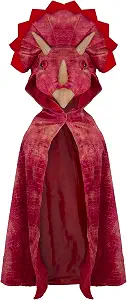
1. Cape Reversible Velvet & Satin Great Pretenders
These double sided, high quality capes are made of luxurious velvet on one side and shimmering satin on the other side. They have a simple velcro neck closure that is safe and easy for a preschooler to manage. No one does a simple cape like this. It could be a superhero’s cape, a king’s cloak, or the wings of a mysterious forest creature. It also makes it easier to change tones on the fly during play, while the sturdy construction ensures they won’t rip during active, high-energy role-play. They give maximum physical freedom, not being cast in any particular shape.
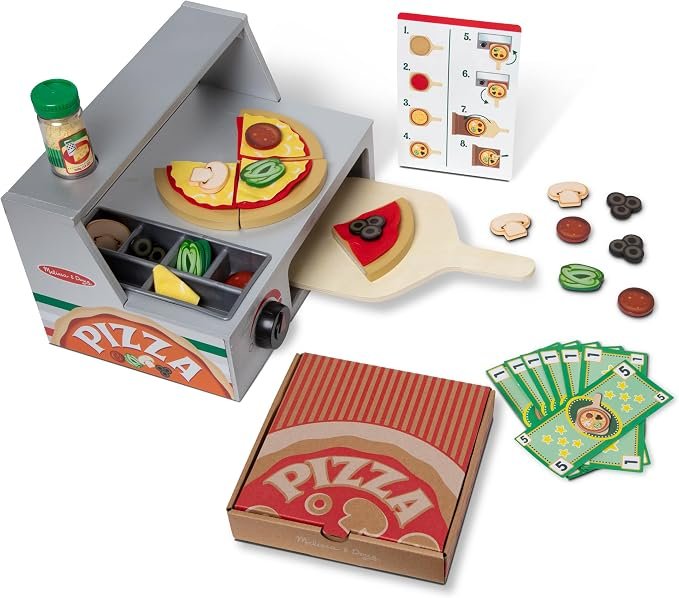
2. Melissa & Doug Professional Role Play Sets
These sets include unique, gender-neutral uniforms (such as a doctor’s jacket, a chef’s coat or a construction vest) and high-quality, durable props. These provide a structured starting place for toddlers beginning to explore community roles. The fabric is machine washable and tough enough to withstand the messy, real-world “experiments” children tend to perform while role-playing. These uniforms are “professional” in nature, unlike those of mass-market character costumes, so the child’s play is grounded in real-world scenarios rather than fantasy tropes.
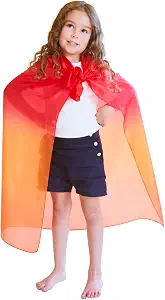
3. Enchanted Play Silks Sarah’s Silks
These are the gold standard in minimalist dress-up. They are large hand-hemmed squares of 100% pure mulberry silk, dyed with non-toxic, eco-friendly dyes. Silk may be a headband, a wrap-around skirt, a cape or a treasure bag. They are tactile and soothing to the senses and fold up to near no storage space. They have no “shape” so they are the ultimate tool for generative play. “They get the child to use their imagination to figure out what the piece is, not let the costume dictate the role to them.”
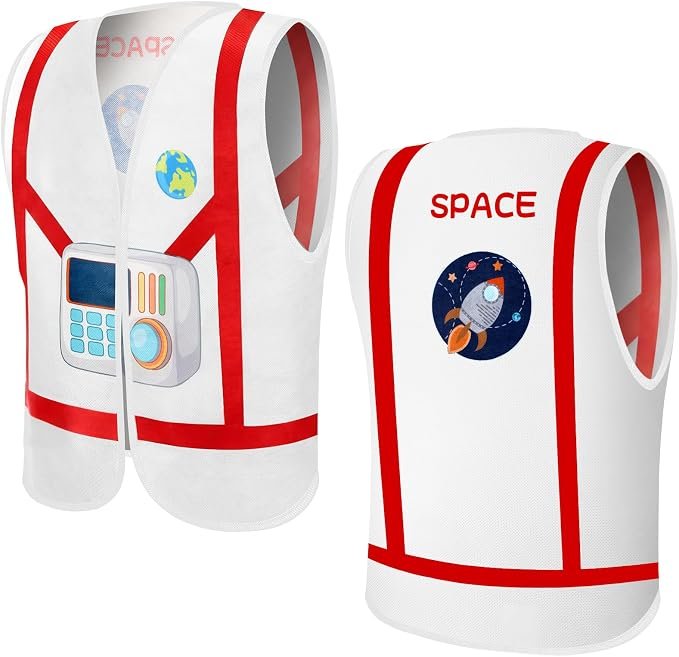
4. My First Aeromax Vest Collection Real Life
These are realistic, machine-washable vests that look like professional gear, like park rangers, veterinarians or police officers, with pockets for collecting treasures. The functional pockets are an added bonus; they provide children with an opportunity to carry their own props and found objects, encouraging them to leave the living room and venture out to the garden or backyard to perform some ‘field research’. This lifts the play from a static activity to an active, outdoor adventure which is important for gross motor development.
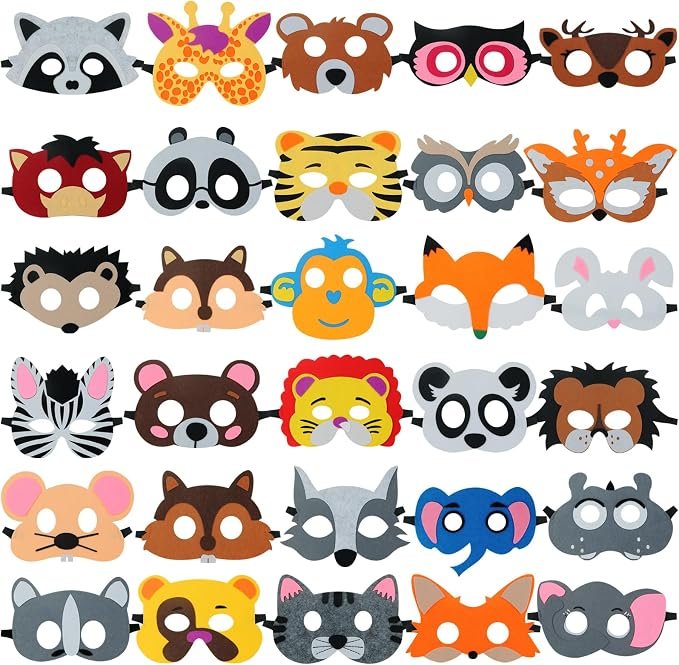
5. Felt Heart Animal Masks & Tails to Put On
Handmade, stiffened felt masks and matching tails from recycled plastic bottle fibers or wool felt are a more sophisticated alternative to full-body animal jumpsuits. These pieces are about the animal essence, a mask and a tail, that allow the child to move and be comfortable. They do not restrict mobility and can be hung on a low hook for easy independent access. They are the ideal “quick change” for a child who wants to change personalities throughout the day.
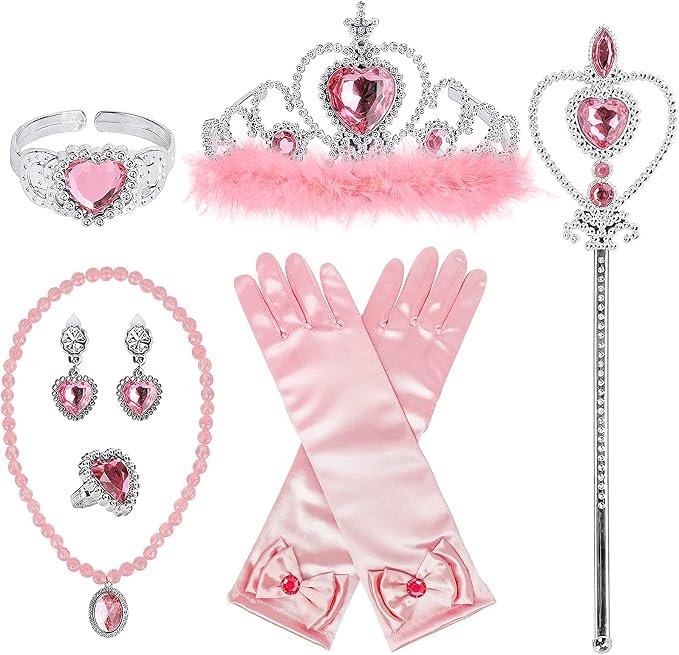
6. Canada Velvet Crown and Wand Set, Creative Education
Instant character transformation in intricately detailed, padded velvet crowns and satin-ribboned wands, no “bulk” of a full costume. These pieces are lightweight and heirloom quality, perfect for children who are sensitive to restrictive fabrics or layers. A crown can mean royalty but it can also mean a forest spirit, a magical creature or a leader of a group. In open-ended play, people often underestimate how many things a crown can do.
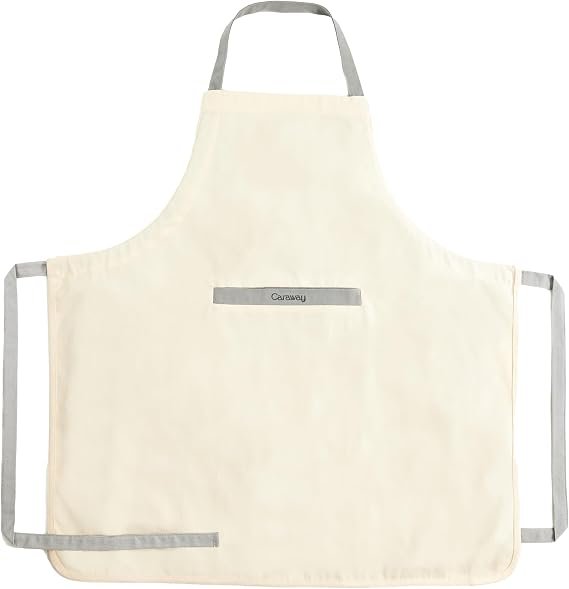
7. Dexter and Moon Natural Linen & Cotton Aprons
Simple, durable aprons or pinafores in breathable, sustainable natural fibers, in muted, earthy tones, are invaluable. These allow kids to go from “baking in the kitchen” to “art in the studio” with ease. The linen is soft, washable and ages beautifully, serving as a protective garment that encourages children to get hands-on with their environment. These are not “outfits” like fancy costumes, they are tools. They inspire the child to work, to create, not just perform.
Practical Advisory: Building a Low-Friction Play Station
It is important to manage the physical environment so that your dress-up collection does not become a source of home clutter. A curated collection is only as good as its storage.
The “Low Hook” System: Install a low wooden peg rail at your child’s level. Hanging capes, vests and aprons on hooks (rather than stuffing them into a bin) prevents wrinkling and lets the child see what they have at a glance. Kids are more likely to play with their gear on their own if they can see it.
Curated Basket Rotation: Rather than having all of your clothing available all the time, have a “seasonal basket” of four to five items that coordinate with each other. Rotate contents monthly to keep play fresh and engaging without overwhelming the visual landscape of your home. This avoids the “overwhelm” of too many options, which often results in toys being ignored or tossed aside.
The “Yes, And” Encouragement: When a child is dressed up, play along with their lead. If they are a “doctor”, ask for a check up. Confirming their creative effort by entering their narrative, not dictating it. It is the most powerful way to let your child know that his or her inner world is important and respected.
Choosing Convenience Over Quality
When judging playwear, think about its long-term effect on your home and child. The mass-market costumes are typically made from thin, synthetic polyesters which fray, tear and trap heat. Often packed with glitters, metallic paints or chemical-laden dyes that can irritate the senses. Additionally, they are character-specific and lack the developmental “longevity” of intentional playwear.
Conscious investment in sustainability is premium, mindful playwear made from natural fibers, reinforced with quality stitching and designed with neutral aesthetics. These pieces are made to be worn, washed and eventually handed down. They feel better against the skin, offering a grounding sensory input that synthetics simply can’t replicate. But you’re also teaching your child about the value of quality and the beauty of long-lasting, intentional gear, by moving your budget away from the “cheap, disposable character suit” and toward the “durable, multi-purpose garment.”
The Enduring Value of Purposeful Play
A good dress-up collection is not about building a miniature theater but about giving your child a basic toolkit for her imagination. Providing our children with the tools for open-ended role play is giving them the gift of creative autonomy. We are telling them that their ideas matter, that their stories have value, that they have the power to change their reality.
When we opt for quality, adaptable items, we build a home environment in which the child’s inner story is the star of the show, not a costume’s branding. We are honored to be a part of your parenting journey, helping you simplify your home while deepening your child’s engagement with the world. We hope this guide can be a map in creating a collection that will inspire years of wonder, exploration and peace.
Do you have a favorite dress-up item that has stood the test of time or are you looking to start your first curated collection? We want to hear about how you organise your dress-up storage and inspire imaginative play in your home. Tell us in the comments below! And stay connected with Cozy Parents for more resources to help you curate an intentional, peaceful home for your growing family.