
There is an indescribable, heart-rending stage of late infancy, when a placid baby becomes a howling, inconsolable, fist-chewing frenzy, soaking every shirt collar in sight and looking at the world with a skeptical eye through tear-rimmed eyes. Teething is one of the most physically intensive milestones in early childhood. Infants have a fierce, instinctive urge to press constantly against the unyielding inflammation of sharp little teeth pushing through tender gums slowly, relentlessly. In a commercial market place filled with brightly colored liquid filled plastic rings, blinking electronic teethers and character branded novelty toys it is easy to assume that any cheap plastic ring will do the job. But they often don’t deliver the exact ergonomic fit and hygienic integrity a growing baby really needs.
Parents want a safe way to soothe their teething baby, but are often confronted with chaotic plastic novelties that trap saliva in impossible-to-clean crevices, breed mold or leach suspect chemical softeners into the child’s mouth. At CozyParents we see the infant’s early sensory tools as a safe clean place for discovery. We are led to a “intentional play and care”, a collection of durable, natural and well designed resources, that respects the fragile immune system of the infant and the esthetic unity of the home. In this ultimate guide, we will talk about the developmental milestones that teething tools support.
The Developmental Basis: Teething and the Mechanics of Oral Exploration
To understand why teething toys are so therapeutic, we have to consider how an infant experiences the mouth in the first year of life. As we learn from pediatric occupational therapy and principles of child development, oral motor exploration isn’t just for teething relief. It is an important neurological and sensory pathway.
1. Proprioception and Pressure On The Oral
As teeth come in, the gums are loaded with sensory nerve endings that yearn for deep proprioceptive input. When a baby bites into a hard but forgiving material such as natural unsealed wood or food grade silicone it provides safe counter pressure that temporarily blocks pain signals traveling to the central nervous system. This deep sensory work is organizing and grounding for the fussy baby. This helps to calm their sensory processing system in their bodies, which in turn reduces the crankiness and sleep disruption that is typical during the active phases of teething.
2. Grasping Reflex and Hand to Mouth Coordination
The infant ‘s palm grasp changes from an involuntary reflex to a volitional and purposeful hand-to-mouth coordination loop between six to twelve months of age. The first physical tool a baby will actually play with is a teething toy. A teether with ergonomic cut-outs, light rings or textured surfaces encourages the baby to move the object from hand to hand, rotate its orientation and accurately guide it to the source of discomfort. This never-ending cycle primes the child for bilateral integration and fine motor mastery long before she ever picks up a spoon or a crayon.
3. Safe Desensitization of Discrimination Sensory and Tactile
The mouth of the infant is its main touch organ. The infant’s brain is trained to distinguish between differing densities of substances by exposing the infant to a variety of natural textures – the cool slickness of raw maple, the soft matte feel of organic cotton, or the pliable resistance of natural rubber. The oral-tactile input is essential for speech development, chewing mechanics and emotional self-regulation, making the baby feel safe and comforted during a physically turbulent time.
7 Mindful Teething Toys for Babies
Opt for teething toys that are natural, non-toxic and minimalist in design. They have to be easy to clean and ergonomically designed.
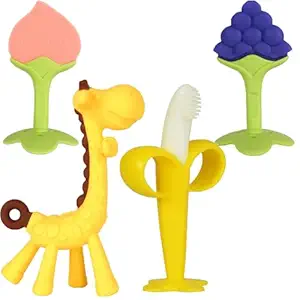
1. PlanToys Solid Wood Teething Ring
Sustainable rubberwood teething ring with smooth ergonomic cut outs for little hands, finished with non toxic water based organic dyes.
Benefits: This classic wooden teether is made for an infant’s grip, so there’s no guesswork involved in terms of safe oral exploration. Natural rubberwood construction keeps the nursery vibe real, and the smooth, seamless design means no secret crevices to trap saliva so wipe-down cleaning is a breeze.

Ergonomic, multi-finger teething ring made from 100% hygienic, medical grade silicone, this teether reaches both front and back emerging teeth with no risk of gagging.
Benefits: This simple, easy-to-sterilize solid silicone teether has no complex moving parts or hollow cavities where mold could grow, making it a safe choice. It has flexible fingers that can provide different textures for sore gums and its lightweight frame makes it easy for even a 3-month-old infant to hold on their own.
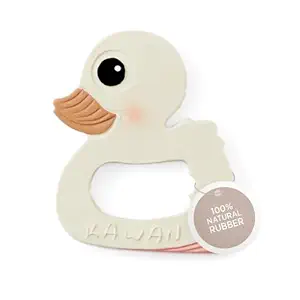
3. Hevea Natural Rubber Star Teething Toy
Description: Made from the Hevea brasiliensis tree, this star teether is crafted from 100% natural plant rubber and is 100% free from PVC, BPA, phthalates and synthetic colorants.
Benefits: The one-piece design is a triumph of hygiene – no holes or seams for saliva or bacteria to penetrate. With a velvety soft natural rubber texture, it provides a gentle, yielding bite to soothe inflamed gums. The lightweight star points are easy for tiny fingers to grasp from any angle.
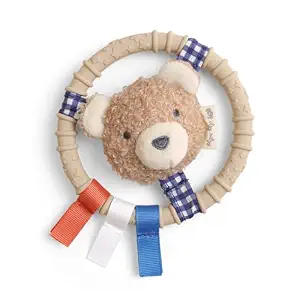
4. Itzy Ritzy Natural Wood Accented Silicone Teething Ring
Description: This is a modern teething ring with a looped textured food grade silicone and a smooth untreated natural beech wood ring, combining modern practicality with organic warmth.
Benefits: Two textures provide two sensations for baby to choose from: the firm, cool resistance of natural wood, and the soft, chewy resistance of textured silicone. The wooden accent ring is simple to remove or unscrew so you can wash the silicone portion thoroughly while keeping the wood safely conditioned.
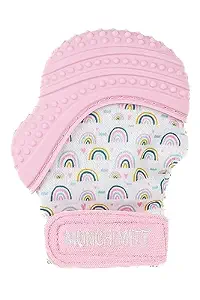
5. Malarkey Kids Munch Mitt™ Teething Mit
A soft silicone teething glove with a sensory crinkle texture and an adjustable secure hook and loop closure, lined with breathable water-resistant organic cotton.
Benefits: Excellent for babies that are not yet able to voluntarily grip traditional teethers. The mitt fits well on the baby’s hand and prevents the teether from falling on the floor constantly. The silicone top surface is easy to wipe clean and the fabric base is 100% machine washable.
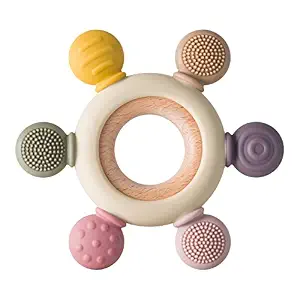
6. Smiling Tree Toys Organic Maple Teething Ring
Hand crafted in the USA from solid American hard maple wood, hand sanded to a silky finish and conditioned only with organic virgin coconut oil.
Benefits: This teether is heirloom quality and is free from artificial finishes, plastics and chemical treatments. Hard maple wood is naturally resistant to bacteria growth, which makes it an incredibly hygienic choice when cared for properly. It provides a warm, organic grain that is a grounding sensory experience for the infant, yet fits into a minimalist home esthetic.
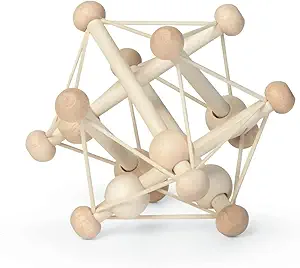
7. Skwish Classic Rattle & Teether Toy by Manhattan Toy
A lightweight non-toxic wooden dowel design strung with elastic cords and smooth wooden beads that can be used as a gentle rattle, a motor skills toy and a graspable teether.
Benefits: The open wooden construction has many interlocking pieces which allow for quick and complete air drying and easy wiping of surfaces. It encourages active grasping, pulling and squeezing, turning a simple teething episode into a fun session of early cognitive and physical discovery.
Actionable Tips: Creating a Low-Friction Teething Ecosystem
Selecting teething toys is just one part of the picture, how you handle, sanitize and store them in your home space determines how well your home keeps its cleanliness and peace.
1. Easy Clean and Dry Method
Teething toys are in constant contact with saliva, making them the ideal environment for bacteria to grow if they are exposed to moisture and they trap the moisture. Never soak wooden teethers in stagnant water or dishwashers. Instead, wipe with a damp cloth saturated with 1:4 vinegar-water solution and buff with organic coconut oil. Products of silicone and natural rubber should be boiled for two to three minutes or washed in warm soapy water and kept completely bone-dry in an open basket so that no hidden mold can develop.
2. Access to lower shelves, rotating baskets
Place baby’s teething toys in a shallow open wooden bowl or canvas basket at baby-eye level or on a low changing-table shelf. If teethers are visible and accessible, the infant can reach for comfort without an adult having to retrieve it if frustration occurs. Keep 2 or 3 teething toys on rotation so play stays fresh and your nursery doesn’t overflow.
3. Chill Out Go Natural
Avoid gel teethers with puncturable, leaky chemicals. Use passive cooling. Put a solid wood teether or pure silicone ring in the fridge (never the deep freeze where extreme sub-zero temperatures can crack wood or make silicone painfully hard against sensitive gums) for twenty minutes before use. The natural temperature of the coolness provides safe, instant relief to inflamed gums without creating too much numbness in the baby’s mouth.
Premium Intentional Teethers vs. Mass-Market Teethers: What’s the Difference?
Parents are often choosing between high-grade sustainable products and cheap, mass-market plastic substitutes for traditional teethers for infants. By looking at these options along some dimensions, we can see why intentional gear is a smart investment in your family.
Premium sustainable wooden rings, medical-grade silicone and 100% natural rubber teethers are durable enough to withstand rigorous mouthing, boiling and everyday handling without degrading. Cheap mass-market plastic teethers, in contrast, often have internal liquid chambers that can leak, brittle seams that crack and fading paints that chip into the baby’s mouth.
A minimalist spatial harmony, in terms of functional storage and home integration. Intentional teethers. Neutral tones, organic wood textures, and compact profiles that rest gracefully in small decorative bowls, not plastic clutter bins. Cheap plastic substitutes are often garish neon colors and bulky, awkward shapes that create visual chaos in the home.
High quality teethers are made with non-toxic finishes, seamless one piece molding and smooth edges, considering the developing immune system and sensitive gums of an infant as well as ergonomics and safety. Mass-market knock-offs sometimes use untested chemical softeners, phthalates or unsealed wood that splinters with prolonged exposure to moisture.
Natural wood, medical-grade silicone and natural rubber provide grounding, organic textures and neutral scents that calm an over-stimulated infant. Teething babies can be upset by synthetic plastic and electronic teething toys with their slick cold surfaces and artificial chemical smells or high frequency sounds.
Finally, purposeful teethers tend to be open-ended or multi-purpose in developmental and therapeutic value, evolving from a soothing gum massager to a graspable rattle or early motor-skills toy as the baby matures. Cheap novelty teethers have a gimmick built in that is momentarily distracting until the baby gets bored and throws them away.
The Long-Term Value of Purposeful Care
Choosing teething toys for your baby is an act of great environmental and psychological stewardship. By choosing products that respect your infant’s physical needs and safety, you give them exactly what they need to get through this painful developmental milestone with ease, confidence and calm, free from the disruptive din of modern commercialism.
At CozyParents we believe that everything in your home should have a purpose, inspire a moment of peace or encourage growth. You’re not just surviving a fussy phase, you’re teaching your child how to find comfort in natural, intentional objects by curating a thoughtful, sustainable collection of developmental gear.
We invite you to continue exploring CozyParents for more minimalist parenting advice, expert-curated gear round ups, and intentional ways to bring calm to the daily rhythm of your family. Want to use a natural rotation system for your baby’s teethers? Or are you aiming to curate your nursery space this week? Let us know in the comments we love to hear about how you create peaceful, intentional spaces for your growing family.