
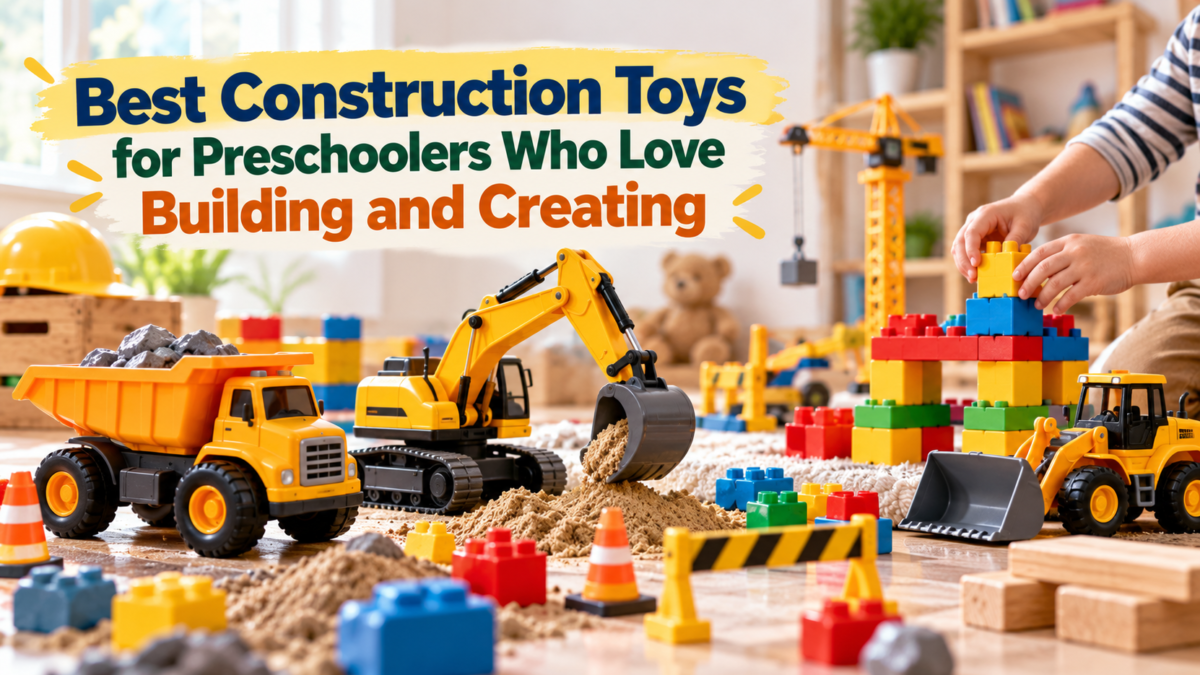
There is a deep, quiet rhythm that fills a room when a four-year-old gets lost in building. When you’ve watched a preschooler crouched over a sprawling tower, carefully balancing a wooden arch, testing whether a magnetic tile will support the load of a roof, or methodically sorting beams by length, then you’ve observed early spatial engineering in its purest form. In a toy market flush with motorized construction gizmos, self-assembling flashing robotic cranes and screen-tethered apps that simulate building with no tactile friction, it’s easy to assume entertainment requires batteries and digital novelty. But these noisy shortcuts often miss the deep motor planning, structural problem solving and emotional resilience that preschool-aged children really want.
Parents who seek to satisfy this urge to design and assemble are often met with massive plastic playsets, hundreds of brittle interlocking pegs that snap underfoot, and single-purpose licensed kits that only assemble one predetermined vehicle. Though these sets promise hours of amusement, they often clutter a living space with visual clutter and lack the rich, open-ended proprioceptive feedback a growing child needs to master spatial reasoning and creative autonomy.
At CozyParents we believe that a child’s play area should be a peaceful laboratory for focused, independent thinking. Our guiding philosophy is one of “intentional play,” selecting resources that are durable, tactile, well-made, and honor both a preschooler’s developing nervous system and the visual harmony of a minimalist home. In this guide, we’ll talk about the developmental milestones preschool building toys support, tips for creating a low-friction building zone and review seven extraordinary construction sets on Amazon US to foster your child’s imagination and maintain a calm and organized home.
Developmental Foundations: The Mechanics of Play in Construction
To appreciate the enduring power of building toys throughout early childhood, you need to consider how a preschooler’s brain and body handle three-dimensional space, weight distribution and sequential planning. Research in pediatric occupational therapy and cognitive development has shown that stacking, connecting and balancing materials are not just pastimes but dynamic exercises in physical physics, hand-eye coordination and self-regulation.
1. Spatial Reasoning & Visual-Motor Integration
A massive leap in mental rotation and three-dimensional mapping occurs between three and five children. If a child decides to build an archway or join two planes, they have to visually estimate proportions, calculate shifts of center of gravity, and translate a mental blueprint into physical reality. Working with different shapes rectangles, cylinders, triangular wedges, polygons with magnetic properties helps the brain learn symmetry, scale and balance in real time. This practical foundation extends directly into advanced mathematical reasoning and geometric literacy.
2. Coordination of Both Hands and Strength of Hand Muscles
To join a nut to a bolt, to align magnetic edges, to push together oversized interlocking pieces, you need sophisticated bilateral integration, the smooth working together of both hands in harmony. One hand holds the structural base, the other must pinch, twist or press a new component into place. This repetitive micro-work develops intrinsic muscles of the palm, practices finger isolation and hones the tripod grip needed for pencil grasp and independence in handwriting.
3. Frustration Tolerance and Executive Function
Every building project teaches one inevitable lesson in gravity: buildings will wobble and sag and sometimes fall down. When a tower falls, a preschooler comes to a crucial emotional crossroads. Construction play requires trial and error analysis, not an automated toy with a predictable loop. The child has to evaluate what went wrong, regulate the frustration they felt at the start and revise their structural design. This cycle of build, collapse, rebuild breeds deep emotional grit, long term attention spans and autonomous problem solving.
7 Purposeful Construction Toys for Preschoolers
To choose building sets that will grow with a preschooler’s skills, look for durability, natural or nontoxic materials, and open-ended versatility.
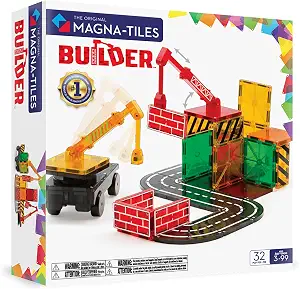
1. Magna-Tiles 32-Piece Clear Colors Set
Classic STEM building set featuring translucent geometric tiles with safe sonic-welded ceramic magnets and reinforced metal rivets on each corner.
Benefits: Zero-fine-motor frustration building soaring 3D prisms, houses and tunnels with Magna-Tiles for preschoolers. The magnetic pull provides instant spatial feedback, allowing young hands to explore early structural engineering. Flat tiles nest neatly into a single vertical tower that fits nicely into a small woven shelf basket, keeping living spaces totally free of clutter.
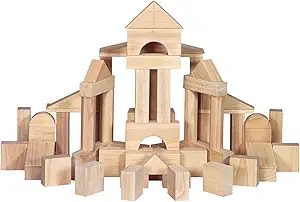
2. Melissa & Doug Classic Unit Solid Wood Building Blocks (60 Pieces)
Description: All standard architectural proportions in solid hardwood unit blocks of heirloom-grade quality. Packaged in solid wooden storage crate with beveled carrying handles.
Benefits: Standard unit blocks teach physical physics like no other toy, with true balance, weight calibration and steady hands required. Warm organic timber tones of the natural hardwoods ground the playroom esthetic with smooth-sanded finishes. The compartmentalized wooden tray turns cleanup into a fun spatial exercise rather than a chore.
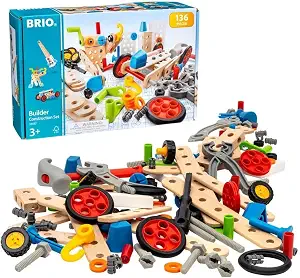
3. BRIO Builder Starter Set (48pcs)
Description: A touch-sensitive mechanical construction system made from FSC-certified European beechwood parts and durable, non-toxic composite pegs, nuts, bolts, a wooden spanner and play pliers.
Benefits: This set is the transition from passive block stacking to the real use of mechanical tools. Turning wrenches and tightening bolts provides real finger isolation and wrist rotation. All neutral wood tones with muted functional accents that easily blend into modern interiors and fit neatly into a shallow bin or canvas bag.
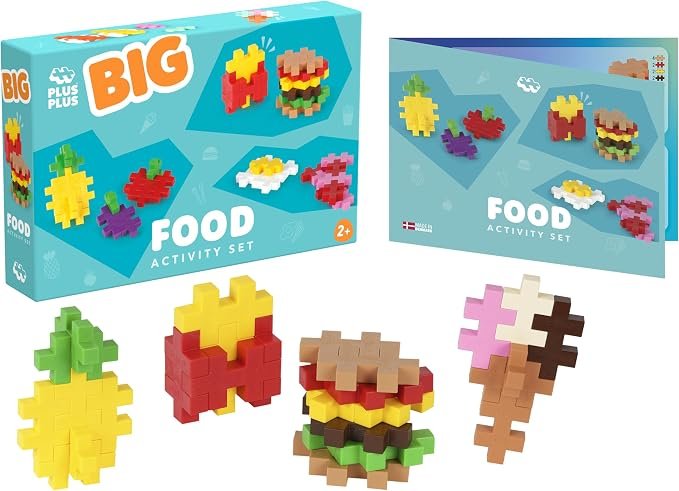
4. Plus-Plus BIG Preschool Basic Mix Set (50 Pieces)
A tactile building set made in Denmark from 100% recyclable, food-grade, BPA-free polyethylene in an oversized format. Signature double-plus shape on each piece designed especially for broader hand grasp of preschooler.
Benefits: The velvety matte texture provides a rich tactile proprioception without any slippery gloss or sharp plastic seams. All the pieces have the same interlocking geometry so kids can easily move from flat mosaic patterning to sturdy 3D structures. The full 50 piece set takes up very little room on the shelf and cleans up easily in warm, soapy water.
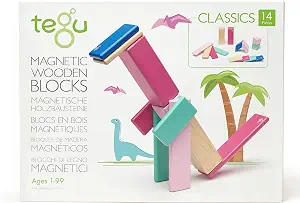
5. Tegu 42-piece magnetic wood block set
These architectural blocks are handcrafted from sustainably harvested Central American hardwoods and feature completely hidden, fully embedded interior magnets. Non-toxic water-based color stains finish the blocks.
Benefits: Tegu blocks allow for cantilevered bridges, soaring cantilevers, and gravity-defying animal sculptures that traditional wooden blocks can’t match. A subtle, satisfying “click” of hidden magnets rewards focused concentration; velvety wood grain and quiet tumbling preserve household acoustic peace.
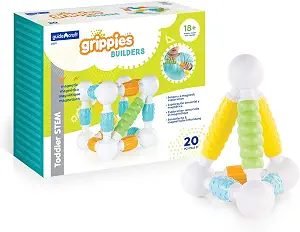
6. Guidecraft Grippies Builders STEM Kit (20-Piece)
Description: Original construction system of weighted magnetic rods covered in unique soft-touch rubberized tactile patterns with smooth polished magnetic balls.
Benefits: Alternating ribbed, dotted and waved grip textures provide deep tactile satisfaction, perfect for both sensory seekers and emerging builders. Large enough to prevent mouthing hazards and to allow for frustration-free connections. Modern color palette in soft tones to prevent visual overload in the nursery.
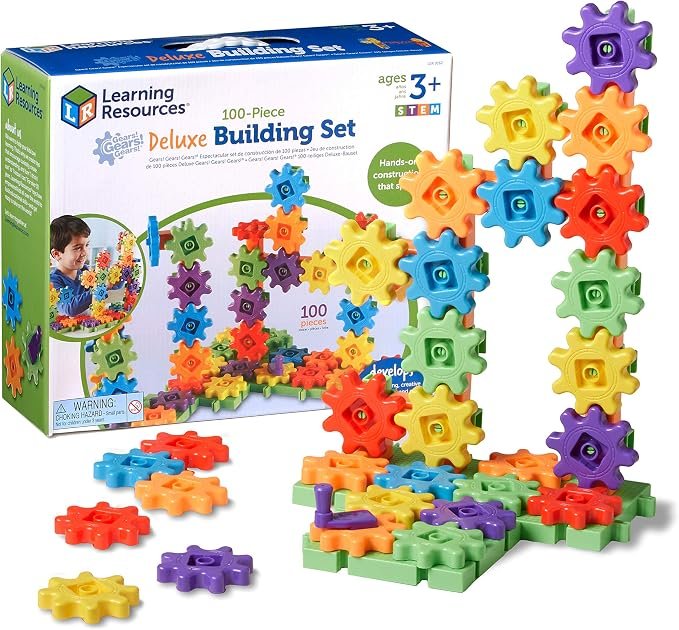
7. Learning Resources Gears! Gears! Gears! Building Blocks Deluxe
Description: Durable, non-toxic composite plastic modular mechanical construction set with interlocking base plates, axles, handles and colorful meshing gears.
Benefits: This set introduces kinetic movement, rotational movement and physics of cause and effect. Once the preschoolers have connected the base and meshed the teeth properly, one crank will turn the whole construction. When building time is finished, the pieces wash easily and store flat in a lidded storage tote.
Practical Advisory: Creating a Low-Friction Construction Ecosystem
Great building sets are just half the challenge, it’s how you sort and present them in your home that will determine if they are a source of deep focus or household clutter.
1. The One-Shelf System Approach
Choice fatigue and instant mess are the results of five different complex construction sets scattered across the floor. Choose one main system for your shelf display, say the standard wooden unit blocks for two weeks, and put the rest away. Kids go to town with intricate, ongoing architectural planning instead of just dumping containers around willy-nilly, with clear physical limits.
2. Lay out play cloths to define clear building zones
Active building sessions tend to migrate over hardwood floors, which can lead to scuff marks and loud acoustic clatter when towers topple. Put down a low-pile wool rug, a large canvas drop cloth or a heavy organic cotton mat on the floor to mark the “job site”. This gives a natural visual limit of where parts are still present . It also helps to reduce the noise of collapsing structures .
3. Include Intentional “Strewing” Invitations
Sometimes preschoolers walk past a stuffed storage bin and have no idea where to start. Set up an open invitation before your child wakes up or comes home from preschool: four wooden blocks to build an arch or three magnetic tiles joined together with a toy car. It’s a gentle visual nudge that triggers curiosity and sparks immediate, self-directed exploration. Not adult-directed.
Comparative Analysis: Premium Intentional Gear vs. Mass Market Alternatives
Parents have a clear choice regarding construction toys for preschoolers: high-grade sustainable systems, or cheap, mass-market plastic knock-offs. Looking at these options in the main axs it is clear why tools of intentional construction are a necessary investment.
It’s tough, too. Premium hardwood unit blocks, reinforced magnetic tiles and solid Danish-engineered components are built to survive generations of drops, heavy stepping and enthusiastic demolition. Cheap mass-market building toys are often made from brittle plastics, have weak magnets that slide off at the slightest stress and thin plastic joints that splinter into sharp fragments within weeks.
Purpose-built sets are designed to have spatial harmony, both in how they store and how they fit in the home. They boast uniform geometries, stacking crates and muted or natural colorways that seamlessly blend into modern living spaces. Cheap alternatives tend to be oversized, lightweight cartons and use loud, high-contrast neon palettes that dominate sightlines in the room and create visual chaos.
Ergonomics and Safety: Purpose-built construction toys employ non-toxic, water-based stains, zero-VOC lacquers, magnets that are securely encapsulated and beveled corners that are hand-sanded to prevent injury to small hands. Mass-market knock-offs often have sharp mold seams, unverified chemical plasticizers and flimsily glued enclosures that can come apart and become hazardous.
From a sensory perspective, natural hardwoods, tactile matte finishes and warm magnetic snaps provide rich, grounding sensory feedback. They rattle with a soft, natural acoustic resonance, not the harsh high-pitched rattle of hollow plastic novelty blocks.
Finally, from a developmental and therapeutic perspective, intentional construction sets are inherently open-ended. A growing collection of unit blocks or magnetic tiles that grow with your child from a simple preschool animal pen to a complex elementary architectural wonder. Single-purpose commercial building sets offer a hard, prescriptive build that becomes uninteresting as soon as the manual is finished.
The Enduring Benefits Of Purposeful Play
Choosing construction toys for your preschooler is an investment in their developing mind, their emotional resilience and your family’s daily peace. You will empower your child to think, experiment and develop their own structures by providing them tools that celebrate spatial trial and error without distracting digital noise.
At CozyParents we believe that everything in your home should have a clear developmental purpose and contribute to the peace of your home. By selecting robust, open-ended tools for building, you’re not just providing your child with a toy you’re providing them with the building blocks for their own confidence.
We invite you to continue your journey with CozyParents for thoughtful insights, expert-backed gear roundups and mindful parenting strategies that are tailored to your growing family. How does your child love to build right now or are you preparing to simplify your playroom shelves this week? Let us know in the comments we love to hear how you create calm, intentional spaces in your home.