
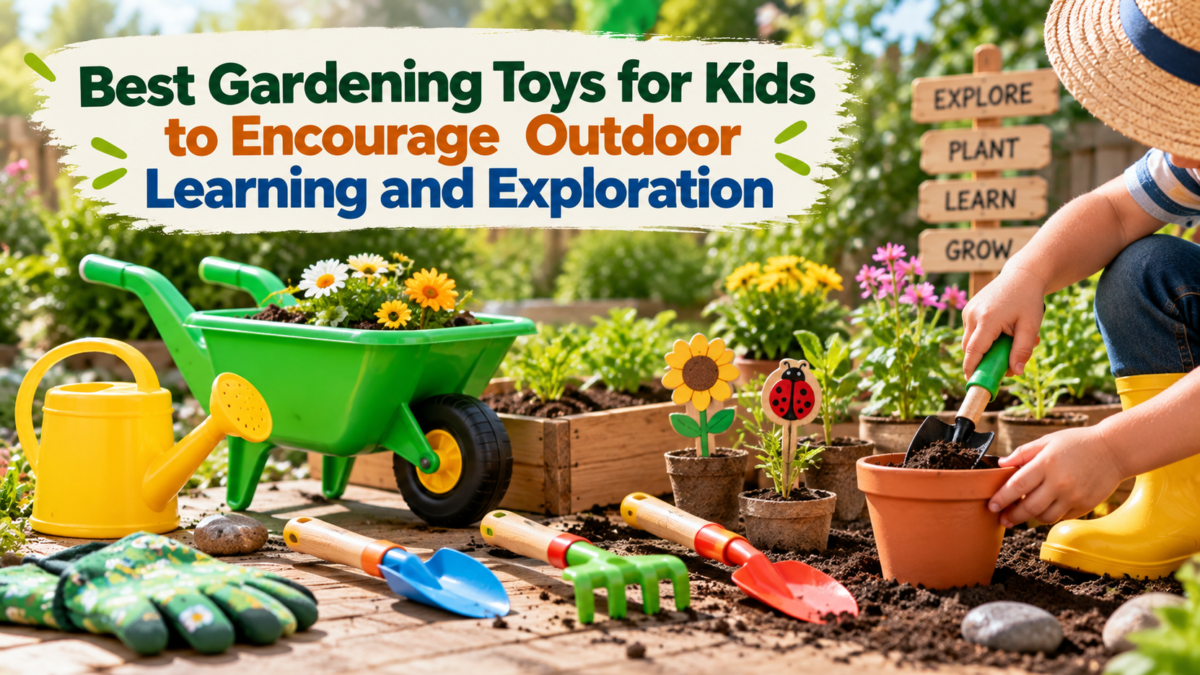
There is a silent, earthy reverence that overtakes a small child when his fingers first push into cool, dark earth beneath the topsoil. If you have ever seen a preschooler crouching motionless beside a garden trench, holding an earthworm in her hand, looking at the pale root filaments of a weed pulled from the soil, deliberately pouring water from a metal pail on a newly planted sunflower seed, you have seen early ecological literacy in its most elemental, earth-connected form. In an age of pixelated nature apps, indoor screen novelties and fast-paced digital simulations of outdoor living, it’s easy to think that childhood entertainment needs buttons and microchips. But these artificial short cuts rob them of the profound sensory integration, proprioceptive grounding and biological awe that children experience as they traverse the living, breathing physical world.
Parents wishing to indulge this natural urge to dig, sow and cultivate outdoors are often greeted with a marketplace awash with flimsy, neon plastic gardening sets. These kits from the toy aisle are full of hollow plastic rakes that bend at the first touch, brittle plastic trowels that snap under normal resistance from dirt, garish cartoon watering cans that leak at the seams. Kids fail immediately. Fragile toys teach children that their labor is only pretend, that tools are disposable junk, rather than teaching them true stewardship, and physical skill.
At CozyParents we believe a family’s outdoor space should be an intentional extension of a peaceful, functional home. Our philosophy is based on “intentional play,” which means choosing resources that are durable, tactile and thoughtfully designed to honor both a child’s developing nervous system and the environmental serenity of intentional family living. We’ll explore the developmental milestones supported by hands-on gardening, actionable strategies for a low-friction outdoor garden ecosystem, and a review of seven exceptional gardening tools and kits available on Amazon US that treat your child as a capable contributor to the living world.
Developmental Foundations: The Physical Mechanics of Gardening
But why is gardening so developmentally beneficial across early childhood? To answer this we need to understand how a young brain and body experience heavy work, living things and sequential physical tasks. Occupational therapy, pediatric physiotherapy and research into cognitive development have proved that digging, hauling and weeding are not just weekend distractions but foundational exercises in sensory integration, executive function and biological empathy.
1. Neurological Grounding and Heavy Work
“Heavy work” is a term used in pediatric occupational therapy to refer to activities that involve the large muscle groups of the body and provide deep proprioceptive feedback to the joints and muscles. Physical input with high resistance is provided by shoveling real soil, lifting a full watering can, pushing a wheelbarrow across an uneven lawn, and pulling deep-rooted weeds. This amount of whole body effort sends organizing, calming neurological messages right to the central nervous system. Indoor settings can often lead to sensory overload, restlessness or emotional dysregulation in children. The solution is frequently purposeful outdoor physical labor that brings about a deep emotional balance. Few indoor activities can steady the nervous system like heavy gardening work.
2. Inquiry in Science, Biophilia and Ecological Literacy
The biologist E.O. Wilson made the term “biophilia” popular to describe the innate, evolved affinity humans have for the natural world. Children are born naturalists. Their senses are tuned to see micro-changes in plant leaves, in the moisture of compost, in the behaviors of good bugs in the garden. Early science is a child planting a dormant seed, marking the bed, checking the moisture, and waiting days for the first green cotyledon to peek out of the soil. This tangible connection to the rhythms of botanical life invites careful observation, demystifies the origins of food, and fosters a deep, lifelong ethic of conservation based on pragmatic care rather than abstract theory.
3. Bilateral Integration and Fine Motor Grip Strength
Real garden gear requires sophisticated fine and gross motor integration. Spraying a nozzle spray . Working stubborn clods of dirt with a three-pronged cultivator. A hand steadied a seedling stem, another tamped loose soil. And they all call for fine-tuned bilateral coordination the harmonious cooperation of both sides of the body. Plus, holding solid wood handles and adjusting the amount of physical force needed to drive a steel trowel into packed earth develops tremendous grip strength, palm stability and wrist endurance. These physical assets directly support fine motor independence, mastery of pencil grip and indoor self help skills.
Product Roundup
Garden tools that empower children, yet still keep them safe, will have real metal working heads, solid hardwood handles, non-toxic finishes and balanced ergonomics.
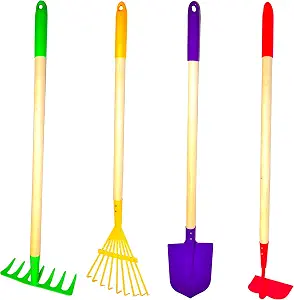
1. G & F Products JustForKids 4-Piece Long Handle Gardening Tool Set
A real working set of four small-sized long-handled garden tools: garden spade, soil rake, garden hoe and leaf rake, with heavy-duty stamped steel heads secured by reinforced metal collars on solid pine handles with hanging protective caps.
Benefits: The 27.5 inch size is great for toddlers and preschoolers to work with adults in an upright ergonomically supported posture, not hunched over. The real steel heads bite through packed top-soil and mulch with a clean bite that has a gratifying tactile resistance to the child’s physical effort. The matching wooden handles fit flush into a wall-mounted tool bracket or storage barrel in the garage, keeping outdoor areas tidy.
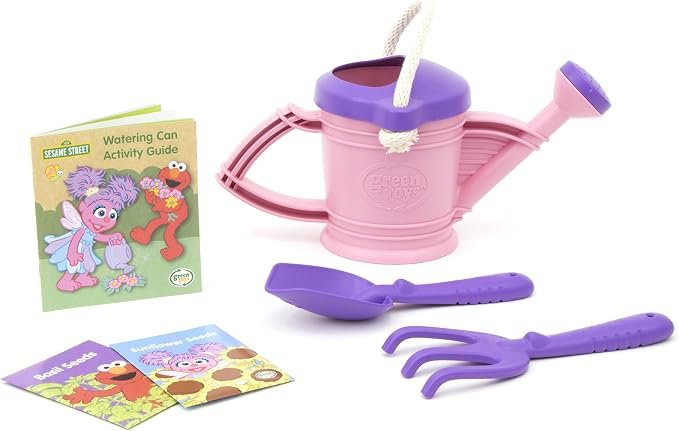
2. Green Toys Watering Can + Cultivator Set (Recycled Material)
Designed in the USA from 100% recycled food-grade polyethylene milk jugs, this outdoor watering kit is completely free of BPA, phthalates, external paints and rust-prone metal fasteners.
Home & Child Benefits: The perfect example of circular, eco-conscious design, despite being made from synthetic materials. The watering can has a dual handle that is comfortable for young toddlers to hold helping to distribute the weight of the water evenly between two hands and avoid wrist strain. No metal screws or hollow seams to trap stagnant water and mold, so the entire set can be put in the dishwasher for sanitation after muddy play sessions.
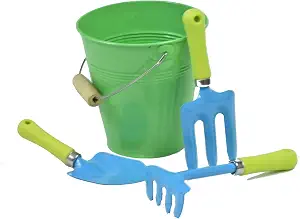
3. Just For Kids 4-Piece Garden Tool Set w/Green Metal Pail
Description: This heirloom-quality starter set is portable and includes a hand trowel, handheld rake and three-pronged cultivator with genuine painted steel heads and smooth wooden handles, and a durable powder-coated metal carrying bucket with a movable wooden bail handle.
Child & Home Benefits: These hand tools are diminutive in size for little palms to comfortably grasp for accurate digging and weed removal in tight garden beds or patio planters. The heavy metal pail is a multi-functional anchor. Toddlers can use it to haul water, collect gathered weeds, collect fresh vegetables or neatly corral the tools when work is finished. Its handsome forest-green understated style looks good on a back porch or potting bench without creating visual discord.
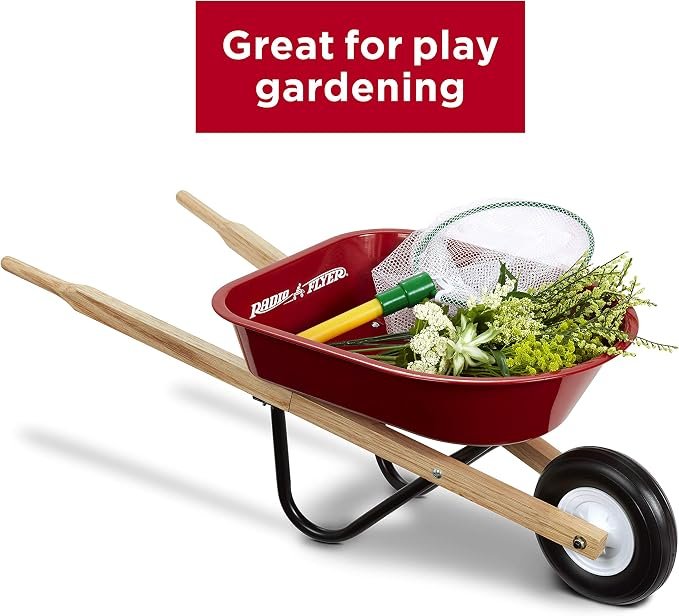
4. Steel Kids Radio Flier Wheelbarrow
Description: Classic child size wheelbarrow made of heavy gage seamless steel tray with rolled scratch free edges, sturdy real wood handles, and all terrain puncture proof front rolling tire.
Benefits for Child and Home: Pushing a weighted wheelbarrow is one of the best gross motor, heavy work activities for developing children. It requires dynamic balance, forward momentum and constant core stabilization to avoid losing balance. This steel wheelbarrow has real weight and a low center of gravity to provide steady, reliable resistance rather than flipping over on the slightest bump like lightweight plastic carts. It can be conveniently stored upright against the wall of an outside potting shed.
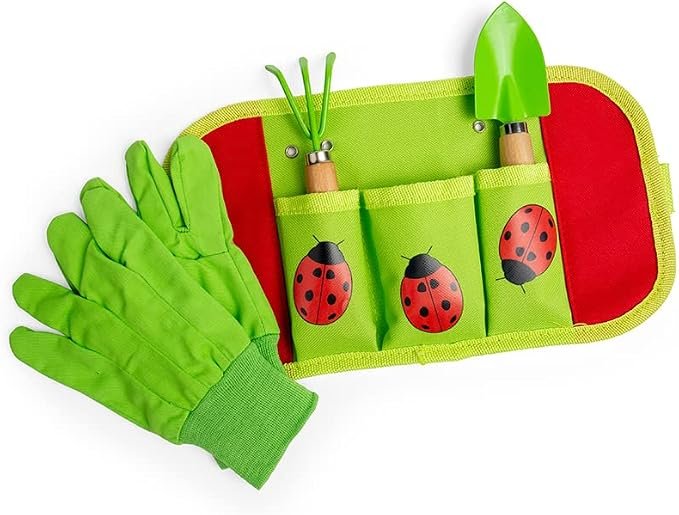
5. Bigjigs Toys Kids Gardening Tool Belt & Accessories Set (Amazon Exclusive)
Description: Heavy duty utility belt in fabric with custom pockets. Adjustable clip fastening. Children’s gardening gloves, grade cotton, elasticated wrists. Wooden-handled hand tools.
Benefits for Child and Home: This wearable tool kit encourages children to practice independence in authentic ways. When belted up it promotes independent dressing and fine motor skills. Tools strapped to their waist keep things off the ground and lost equipment out of garden beds. Soft cotton jersey gloves protect delicate toddler skin from rough twigs, nettles and minor scrapes, allowing the natural finger mobility of a child.
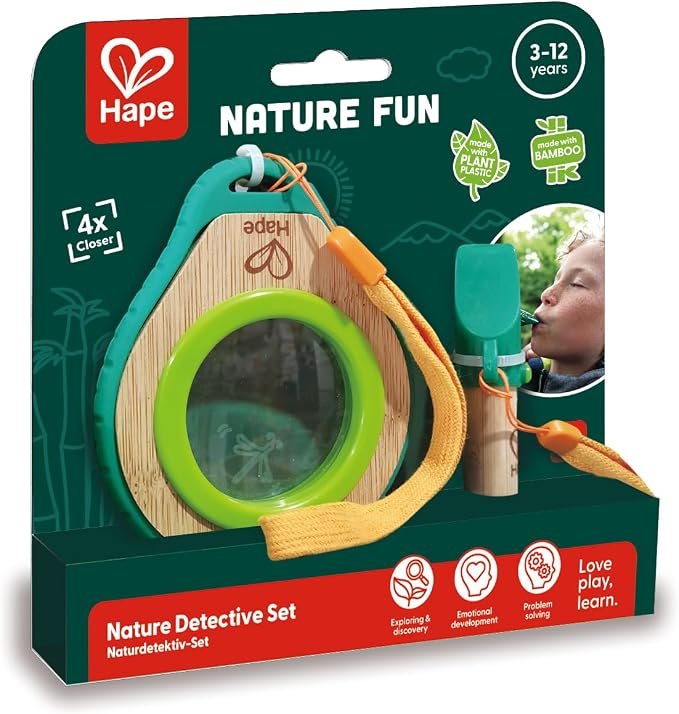
6. Hape Nature Detective Bug Jar & Exploration Tool Set
Outdoor exploration and observation station made from renewable bamboo composite and plant-based bioplastics with a ventilated specimen viewer, shatterproof magnifying lid and ergonomic wooden handled collection scoop.
Benefits: It’s not just plants, it’s the microscopic ecosystem that supports the soil. This kit encourages quiet, respectful observation of beneficial worms, lady bugs and pill bugs. The bioplastic and bamboo construction provides a soft natural touch that pays homage to the earth, while teaching children to study living creatures with gentleness, and return them safely to their natural habitats.
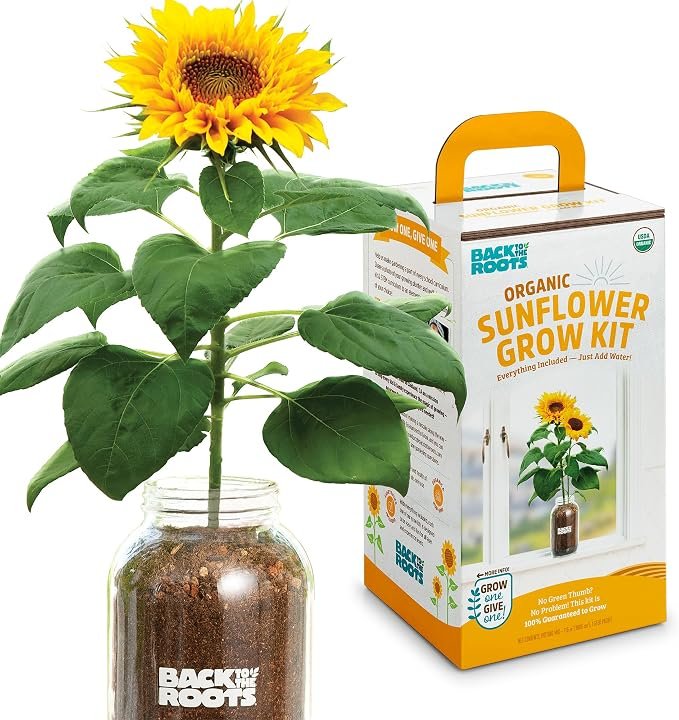
7. Back to the Roots Organic Garden & Seed Starter Kit for Windowsills
Includes biodegradable organic plantable pots, compressed organic nutrient rich soil disks, and non-GMO heirloom vegetable seeds with illustrated educational grow guides USDA Certified Organic, 100% peat-free seed starting system
Benefits: This set is perfect for homes with small backyards or apartment balconies in the city, taking the commercial complexity out of letting children see botanical germination up close. As a bonus, watching compressed soil wafers expand when hydrated is a great physics lesson you can get your hands on. Biodegradable pots let preschoolers plant their sprouting seedlings directly into the ground without disturbing delicate young root structures.
Forming a low friction garden ecosystem – Practical advice
Offering real gardening tools for young children takes intentional planning and clear expectations of space and thoughtful storage systems. Playing outside with no boundaries can easily become muddy frustration, lost tools and destruction of the garden bed.
1. Prep the digging area and the “Yes” bed
Kids are hardwired to love digging, but if you let a preschooler shovel through the delicate roots of heirloom tomatoes you are just creating unnecessary household tension. Choose a spot in the yard for a specific Yes. This might be a corner bed with plenty of rich soil and wood chips, a purpose built raised wooden cedar planter box at waist height or a shady outdoor mud kitchen area. Here they can do some serious digging, mud-mixing and experimental water work, while the family can use the planting beds for gentle, co-ordinated weeding and harvesting.
2. Tool Ritual of the “Wash, Dry, Hang”
Just like you take adult garden tools, you take children’s real metal tools. Instead of letting muddy spades rust in the grass, establish an intuitive cleanup station near the garden hose or outdoor spigot. Soft natural fiber brush and clean drying rag. Your child’s three step ritual is: wash away the dirt, dry the wood and metal and then place the tool on its designated peg rail. This simple rhythm builds executive function, personal pride of ownership and keeps outdoor storage spaces clutter free.
3. Practice Grounding Barefoot on Safe Soil
Encourage your child to work in the garden barefoot whenever possible, given the weather and ground conditions. Our soles are packed with proprioceptive nerve endings that are tuned to read texture, grade, temperature and moisture. Walking barefoot on moist mulch, warm sand and soft loam enhances a child’s sensory processing, improves balance and provides a direct electrical connection to the earth that grounds high energy emotional states.
Comparative Analysis: Premium Real Tools vs. Mass-Market Novelty Plastics
As for the gardening gear parents provide their kids, the choice is obvious: Durable and functional or disposable and mass-market plastic playsets. Looking at these categories across critical operational factors, there is a need to invest in real, deliberate equipment.
High quality children’s tools with stamped steel, solid hardwood handles and heavy gage metal basins are built to withstand seasons of heavy outdoor use, stomping and wet soil for durability and longevity. Cheap plastic toy garden sets develop brittle hollow seams and thin plastic tines that snap, bend and discolor under ordinary outdoor use, becoming unrecyclable garbage within weeks.
Practical Storage and Home Integration Practical tools that work well in the home, with an eye to spatial harmony and functional maintenance. Small footprints, subtle earth tones or natural wood finishes and leather loops, or drilled holes for hanging, allow them to grace an outdoor potting shed, garage pegboard or porch corner. Mass market plastic replacements are oversized, with neon, fluorescent, chaotic color schemes that compete with the outdoor living space and create visual clutter.
High-grade children’s tools are specially balanced to develop skeletal structures. All are developed factoring in ergonomics, safety and physical feedback. They have real wood grain so you don’t get palm blisters, smooth beveled edges so there are no sharp burrs, and non-toxic powder coats. Cheap plastic knock-offs are notoriously top-heavy or feather-light, offering no physical resistance and encouraging clumsy frantic arm flailing rather than controlled deliberate lever action.
Real, sensory and psychological tools link children to reality. Cool steel, warm solid timber and heavy water basins. They feel rich, and satisfying, and tactile, and proprioceptive. Synthetic plastic novelties reduce the outdoor experience to a superficial game of slick synthetic surfaces and high frequency clattering.
Finally, on a developmental and therapeutic level, the gardening implements themselves speak of a strong trust from parent to child. For a preschooler, a working steel spade is a way of saying…what they bring to the family ecosystem is valuable and real. Disposable plastic toys infantilize children, helpless and inept consumers, fit only to be trusted with make-believe labor, which unwittingly robs them of their natural motivation to learn and grow.
Increasing Stewardship and Peace for Life
Buying your child real gardening tools is buying their physical strength, their emotional resilience and their lifelong connection to the living world. You’re taking your family out of the commercial din of disposable toys and giving them tools that honor their capacity to do real, meaningful work, inviting them into the timeless, calming rhythms of nature.
We at CozyParents believe everything in your home and garden should have a clear developmental purpose, facilitate real connection and support serenity in the home. There is so much more to vegetable gardening than taking your child out into the sunlight and giving them a heavy spade. It is the growth of patience, of faith, of reverence for the earth.
We hope you’ll keep checking out CozyParents for helpful insights, expert-backed gear roundups and conscious parenting strategies for your growing family. Is your child’s favorite plant what they love to tend this season or are you building your first garden bed together in the backyard? Share your experiences in the comments below we love to hear how you create peaceful, intentional outdoor spaces at home.
We invite you to continue your journey with CozyParents for thoughtful insights, expert-backed gear roundups and mindful parenting strategies that are tailored to your growing family. How does your child love to build right now or are you preparing to simplify your playroom shelves this week? Let us know in the comments we love to hear how you create calm, intentional spaces in your home.