

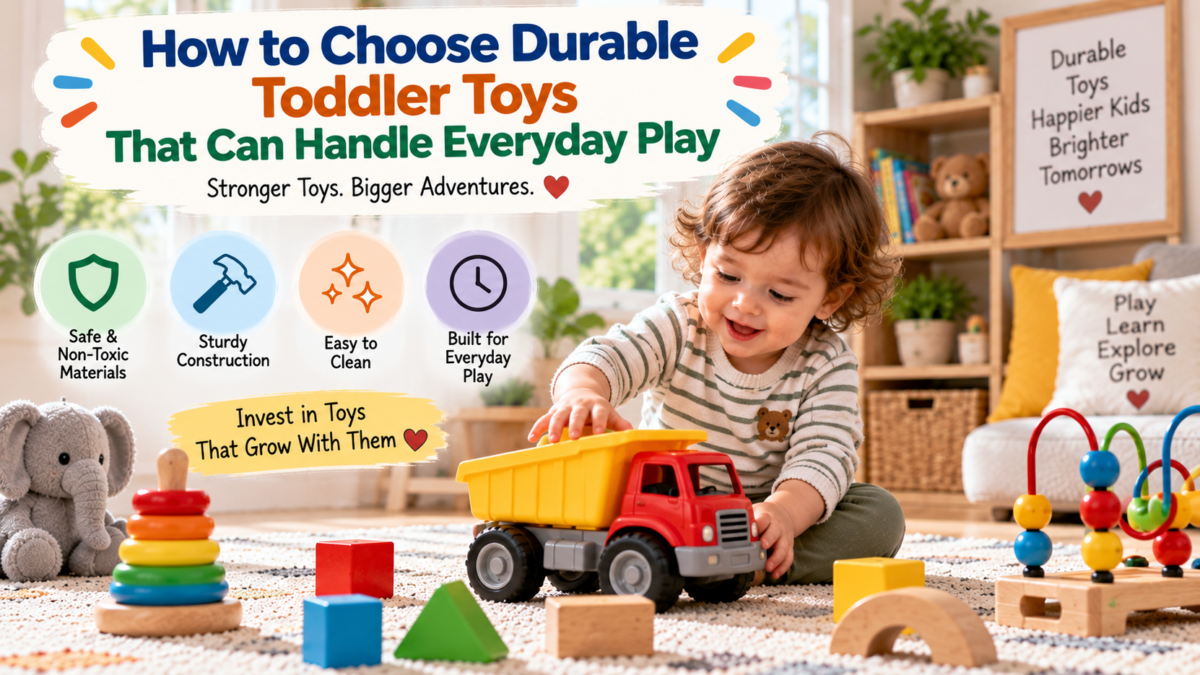
There’s an old, sweet parenting adage that describes toddlers as tiny structural engineers whose main method of testing is fast, hard demolition. Give an eighteen-month-old a toy, and in sixty seconds they will perform a rigorous quality assurance protocol: they will drop it from the height of a high chair onto a hardwood floor, bang it vigorously against an exposed radiator, submerge it in a glass of water, step on it with full body weight and thoroughly gnaw on every corner.
To a tired caregiver, sweeping up splintered plastic tabs and retrieving sheared wheel axles from under the radiator, this behavior can seem needlessly destructive. But developmental neurology tells us that little children don’t destroy toys out of malice; they destroy toys out of whole-body enthusiastically scientific exploration. Between the ages of twelve and thirty-six months, children explore the world with physical schemas, banging, dropping, throwing, chewing, and testing the tensile limits of physical matter.
So rarely is the problem the toddler. The problem is with modern toy production.
Our consumer marketplace is filled with toys made for the showroom floor, not for domestic reality. Hollow blow-molded plastics, delicate snap-fit hinges, thin decorative veneers and fragile electronic circuit boards masquerade as sturdy playthings. These disposable novelties break apart during normal play, creating instant toddler frustration, hidden choking hazards, and trapping parents in an endless cycle of repurchase and landfill fodder.
We at CozyParents believe in “intentional play” – every object in your home should have a clear developmental purpose, respect your child’s developing sensory system, and hold up to the rigors of years of vigorous use. Investing in durable, high-integrity toys is an act of responsibility for the environment, fiscal wisdom and domestic serenity. In this deep dive we discuss the developmental reasons why toddlers put toys through extreme stress tests, the material science behind truly durable gear, give you five practical physical tests you can do before purchase, how to spot structural red flags, and the long-term culture of maintaining and passing down heirloom toys.
Developmental Foundations: Why Do Toddlers Push Their Toys to the Limit?
The first step in selecting toys that will survive childhood is to understand why young children put such fierce mechanical stress on their possessions. Using developmental milestones and occupational therapy to set the context for toddler destructive behavior, we see physical durability as essential to learning.
1. Heavy Sensory Input and Proprioceptive Feedback
Toddlers have an immature proprioceptive system, the network of sensory nerves in joints and muscles that inform the brain about body position, pressure and force modulation. When an adult puts a wooden block on a table, his brain effortlessly calculates the exact force to apply to set it down silently and gently. But a two year old is not able to modulate force so precisely yet. They slam the block down because the impact with high resistance throws a surge of rich neurological feedback, grounding, through their wrists, elbows and shoulders. The child who tries to get the exact sensory input that their nervous system craves is punished with a toy that breaks when struck hard.
2. Physical Schemas: Path, Collision and Containment
Jean Piaget and subsequent developmental theorists have found repetitive patterns of behavior called “play schemas.” Two schemas dominate physical play during toddlerhood:
The Trajectory Schema: The biological urge to explore the movement of objects through horizontal and vertical space. Toddlers don’t just drop things. They throw them out of cribs, down stairs and bang them hard against baseboards.
The Connection and Disconnection Schema: The urge to pull apart, to break joints, to lift lids, to test the seams of structures.
If a toy breaks during the schema exploration, the child’s spontaneous inquiry is suddenly interrupted. A durable toy takes the hit , remains intact and enables the child to do the experiment again and again until his neurological curiosity is satisfied .
3. Oral Exploration and Chemical Safety
Mouth exploration of shape and texture is characteristic of infancy, but the oral sensory phase continues well into the third year of life. When a toddler encounters a new texture, chews to relieve molar teething pressure or focuses intently on a motor task , the toys inevitably end up in their mouths . In this case, durability is synonymous with physiological safety. Toys must resist tooth abrasion and not release micro-particles or chips of paint and not be destroyed under extreme hydraulic bite pressure.+
Hardwood vs Softwood and MDF
All wooden toys are not the same. The term “wooden” on product packaging often conceals big differences in lifespan:
Dense Hardwoods (Beech, Maple, Oak, Rubberwood): These are the best. Dense hardwoods milled from slow-growing deciduous trees have tightly packed cellular fibers that resist denting, splintering, and moisture absorption. Rubberwood is wood from mature latex trees that have reached the end of their rubber-producing life cycle. This wood is very stable, warp resistant and sustainable.
Softwoods (Pine, Fir, Poplar): Although natural, softwoods have a loose, porous cellular grain. Soft pine is easily gouged by a toddler’s fingernail or the edge of a spoon, and moisture from mouthing can lift raw wood fibers into prickling splinters.
Medium-Density Fiberboard (MDF) and Particle Board Commonly found in inexpensive play kitchens and toy shelving, MDF is made of compressed sawdust bonded with synthetic resins and formaldehydes. MDF has virtually no shear strength. If you hit it laterally or water is spilled on it, it swells, flakes and shears off at screw joints and cant be repaired.
Brittle Blow-Molded Plastics Versus Flexible Polymers
CozyParents prefers natural materials, but we understand the valid role played by high-grade polymers in active outdoor play, water tables, and sensory bins. The trick is knowing the difference between high-density engineering plastics and cheap consumer packaging plastics:
High-Density Polyethylene (HDPE) and Polypropylene (PP): HDPE, which is commonly manufactured from recycled food-grade milk containers (such as Green Toys), is thick, durable and slightly flexible. It flexes with dynamic stress rather than cracking, has zero chemical plasticizers (BPA, phthalates) and is dishwasher safe.
Food-Grade Silicone: Pure silicone is made from silica (sand) not petroleum plastics. It’s resistant to thermal shock, fully non-porous and physically indestructible by human biting force. You can boil it, freeze it, drop it or fold it and it will remember how it was structured.
Hollow Polystyrene (PS) and Thin PVC: These stiff shiny plastics are common in discount toy-aisle playsets, but are notorious for being brittle. A toy that has been stepped on by a toddler is instant hazardous waste, as the polystyrene crumbles into jagged, sharp shards.
3. Forged Alloys & Stamped Steels
Real metal parts offer unmatched mechanical durability for heavy-duty vehicles, wheelbarrows and balance bikes. Look for heavy gage stamped steel with electrostatic non-toxic powder coating, not sprayed solvent paint. High grade metal components are rolled and beveled at the edges to eliminate cut risks. To prevent wheels and steering linkages from shearing off during multi-sibling use.
4. Fabrics of natural fibers and reinforced weaves
Soft toys, puppets and dress-up clothes have to withstand lots of friction, muddy knees and rough washing. Opt for thick organic cotton canvas, natural linen and pure wool felt over flimsy polyester knits. Natural fibers have long staple threads that distribute tension evenly across the seams. Look for flat felled or french seams with reinforced bar-tack stitching at stress points (e.g. cape collars, bag handles and doll arm sockets).
5 Practical Durability Tests to Perform Before You Purchase
When you’re looking at a toy in a boutique brick-and-mortar shop or reviewing high-resolution photos and specs online, use this five-point audit to test for structural integrity before you bring an item into your home:
1. Torsion and Flex Torque Testing
Hold the toy firmly with both hands and gently apply opposite rotational torque (twist in opposite directions).
The Pass: The toy seems not all of a piece. It’s either rock-solid rigid (hardwood) or has a controlled, even elastic rebound (dense silicone or thick HDPE). No squeaks of groaning, no shifting parts inside, no whitening stress lines along seams.
The Fail: The plastic walls pop inward with a hollow sound or the center seam between two halves starts to open slightly with light hand pressure.
2. The “Single-Piece versus Glued Sub-Assembly” Audit
Consider the complexity of the connection between moving parts such as animal limbs, vehicle wheels or puzzle knobs, and the main chassis.
The Pass: Sections are either hewn from a single piece of timber and held together with through-bolt metal hardware, or precision-milled with integrated wooden tenon joints.
The Fail: Small wooden pieces (for example, a smokestack on a wooden train or ears on an animal figure) butt jointed with a thin bead of surface glue. Surface bonded joints break off cleanly under horizontal shear force (from counter height).
3. The Acoustic Test “Drop and Resonance”
Tap the toy firmly on a wood tabletop or drop a loose part onto a solid surface from 6 inches up. Listen carefully to the acoustic pitch:
The Pass: A deep, muted, dense thump or a warm wooden clack. Vibration gets absorbed, high physical density means thick walls, solid cores and great mass.
The Fail: A rattling clack. Loud and empty. Hollow-body plastic novelties amplify acoustic vibrations, because the structural walls are paper-thin, indicating imminent crack failure when walked upon.
4. Finn Abrasion & Scratch Test
Look at the surface finish. For wooden toys, verify whether the item is finished with penetrating organic water based stains/oils or topical synthetic enamel paints.
The Pass: Water-based stains and vegetable oils, such as flaxseed or linseed, penetrate deep into the cellular pores of the wood. Natural timber grain is visible and tactile. The color doesn’t flake off when scratched or dented, because it’s living inside the wood fibers.
The Fail: A thick, shiny, plastic-like layer of enamel on top of the timber. As the toddler chews or bangs on the toy, this brittle surface skin breaks away in sharp, unhygienic chips, exposing the pale, raw wood underneath.
5. Inspection of Hardware and Fasteners
Check all hinges, screws, axles and latches on the item.
The Pass: Screws are countersunk flush into solid wood, threading into brass or steel threaded inserts, rather than raw timber fibers. The wheel axles are single solid steel rods that span the width of the chassis and are secured by rolled rivets or lock nuts.
The Fail: Wheels secured with short, individual plastic friction pins pushed into hollow cavities. These pins can come loose from lateral drag of the carpet creating a hazard of small parts and disable the vehicle.
Warning Signs of Rapid Failure
Some engineering shortcuts are instant warning bells when you’re roaming the modern toy aisle. If you come across any of these four design choices, tread with great care:
Battery Compartments Secured with Cheap Plastic Clips: By Nature Battery Operated Novelties are Fragile. A sudden jolt can easily destroy the delicate solder points that connect the microchips, speakers and motors to the battery terminals. A single drop on a rug can cut an internal circuit wire, permanently disabling the toy. Also cheap plastic clip doors often break off exposing corrosive battery cells .
Ultra-Thin Moving Hinges (“Living Hinges”): A “living hinge” is a thin strip of molded plastic that connects two parts (such as discount toy toolboxes, doll accessories and plastic car doors). Plastic is inexpensive to manufacture but has a relatively low fatigue life. When a toddler bends the hinge back and forth thirty or forty times, the polymer molecules work-harden, turn white and snap completely.
Stuffed animals and puppets that are poorly made with glued-on plastic button eyes, stick-on felt noses, or adhesive sequins for facial features are high safety risks. Go for embroidered face details only, hand-sewn features or water-based dyed accents which can’t be pried off by prying fingers.
Hollow Profiles in the Featherweight: A toy may appear large and beefy on the shelf, yet seem almost weightless when you pick it up because it is hollow-molded and contains little resin. Weight is a great proxy for material integrity. Lots of weight means dense fibers, thick walls, structural stamina.
4 Rules to Maintain and Repair Natural Toys
Durable toys aren’t maintenance free; their longevity depends on a culture of environmental care in the home. When parents respect objects and teach children how to care for their tools, durability becomes an educational ritual.
1. Ritual of Mineral Oil and Beeswax Conditioning
Solid wood toys will naturally dry out over time, especially in winter when the air indoors is heated and relative humidity is lower. Schedule a toy restoration afternoon every three to six months:
- Wipe wooden blocks and figures with a barely damp microfiber cloth (do not submerge wood in water).
- Warm a small amount of mineral oil (food-grade) or organic, food-grade beeswax in the palms of your hands.
- Rub the oil lightly into the grain of the wood, wiping off any excess with a soft cloth. This feeds the wood fibers, revitalizes rich color and seals the pores against future moisture intrusion.
2. Spot-Sanding Unexpected Dings
If you drop a wooden toy outside on concrete and it has an unfinished or oil-conditioned surface, don’t throw the toy away if it has a rough spot or a sharp dent. Gently buff the localized area for thirty seconds with a small strip of 220-grit fine sandpaper, in the direction of the wood grain. The rough fibers will smooth away immediately, leaving a velvet-like finish again. The toy is completely renewed when you buff it with a dab of coconut oil.
3. Food-safe HDPE dishwasher sanitization
Avoid harsh chemical sprays for sturdy toys made from 100% recycled plastic, such as Green Toys vehicles or sand pails. The toys are molded without internal screws, metal axles or glue seams, so can be put on the top rack of a residential dishwasher for a thorough sanitizing cycle with mild, eco-friendly detergent. They come out clean, without any sandbox grunge and thoroughly sanitized without material degradation.
4. Stitches Reinforced At First Sign Of Wear
Check seams of fabric toys, puppets, and dress-up silks at rotation resets. If you spot a loose thread at a puppet neck seam or a loose button on an apron, fix it immediately with four passes of a heavy-duty needle and cotton embroidery floss. Catching and repairing minor tension fatigue before it becomes a full seam tear allows soft gear to stay in active circulation for years.
Honoring the Work of Childness
Selecting sturdy toys for your toddler is much more than a practical household defense against broken clutter. It is a very profound developmental validation act. When you place a heavy, solid, beautifully made tool into your child’s hand, you are saying a silent but powerful message: Your play matters. Your work is real. Your environment is set up to honor your power.
Stepping back from the frantic cycle of cheap plastic consumption, clearing the disposable noise from your shelves and instead investing in a handful of lasting, authentic materials, you build a peaceful foundation on which childhood can unfold at its own natural, joyful pace.
At CozyParents, we believe that every item in your home should have a clear developmental purpose, invite mindful connection and preserve family serenity. What is the most durable , toughest toy in your home that has survived many years of active play ? We’d love to hear about your experiences and your favorite heirloom materials in the comments below we love learning how you create peaceful, intentional spaces in your home.