
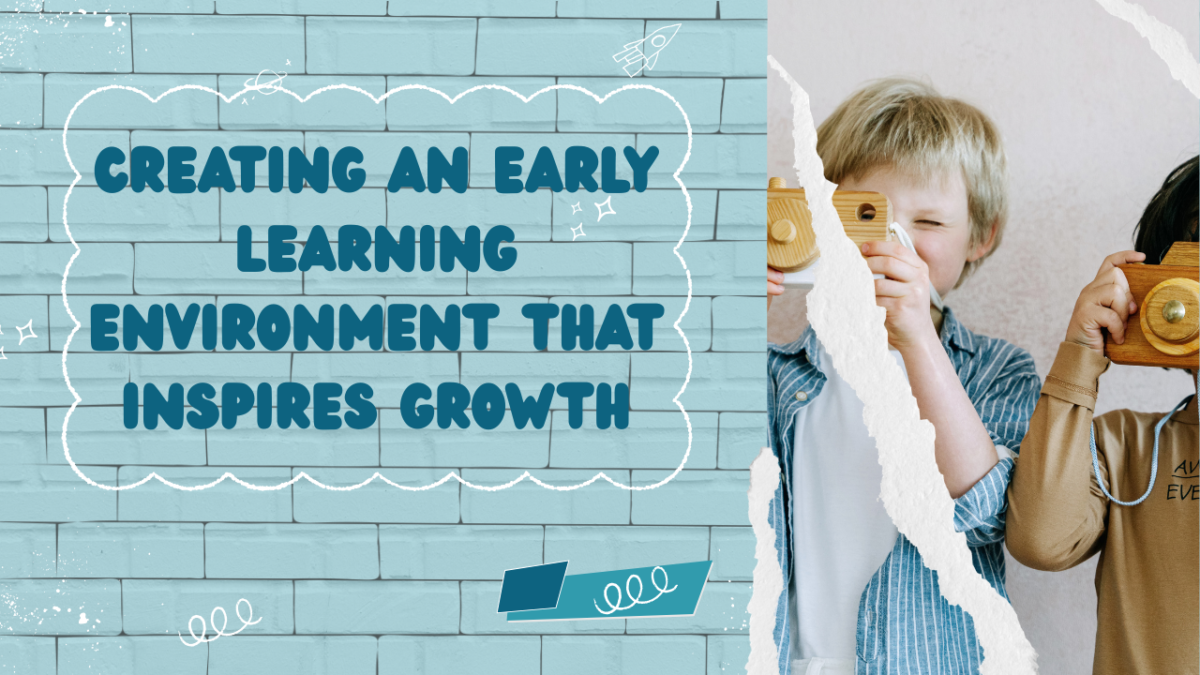
We tend to think of education as something that happens when a youngster sits down with a book, a tablet or a teacher. But for newborns, toddlers and preschoolers learning is not something done on the side, on a schedule. It is a constant, surrounding process young children learn from everything they touch, see and hear. In child development, the physical space surrounding a kid is sometimes dubbed the “third teacher,” a silent instructor that can either beckon deep, concentrated exploration or elicit chaotic, overstimulated behaviour.
It’s not about creating a pristine preschool classroom out of your living room to accommodate this natural interest. It’s not about buying high-tech instructional tools or slapping bright institutional primary colours everywhere. Creating an inspiring early learning environment is not about luck. It’s about intentionality. This is about organising your existing space with a child’s physical and emotional perspective in mind so it encourages independence, confidence and a lifetime love of discovery.
At Cozy Parents we know that creating a home that is both stylish and child-friendly is a balancing act. You want your home to be attractive, a warm place to be but also a place for your young one to grow. If you want actual strategies to match your home layout to developmental milestones.
The Power of the Physical Layout Accessibility is Key.
The quickest way to change the way a child plays is to change how they get to their objects. When toys are piled high in huge, opaque toy boxes, kids will probably throw the entire thing on the floor, flick through it for a minute and then walk away bored. This is because their developing minds are swamped by the sheer variety of possibilities.
Instead, consider turning to low, open shelving to show off toys at your child’s eye level. An action that is visible and nicely prepared is an invitation. A low shelf enables a child to select an activity on her own, bring it to a work location and, most importantly, know exactly where it belongs when she is finished cleaning up.
Independence is the basis for confidence in early childhood. A child’s self-esteem soars when they can get through the day without having to ask an adult to get a book down or open a cupboard for them. To delve deeper into setting up life skills and positive habits at home, see the family guide sections for simple, stress-free roadmaps tailored to your child’s age group at Cozy Parents.
Establishing dedicated deep focus zones
Adults do their best work at a dedicated workstation or quiet area and kids are no different. Create several zones in your house and provide your youngster environmental cues about the type of energy expected in each zone.
Think about creating a few uncomplicated micro-zones in your main living space:
- A Cozy Reading Nook: A small rug, a pair of floor cushions and a bookrack facing forward so you can see the covers of the books, not just the spines.
- A Creative/Messy Zone: A child-sized table near a window with natural light, with easy-to-clean flooring underneath, dedicated to coloring, playdough or sensory activity.
- A Building and Movement Zone: A specified barrier like a low pile rug with an open floor space where blocks, train tracks, puzzles can be spread out without overtaking the whole room.
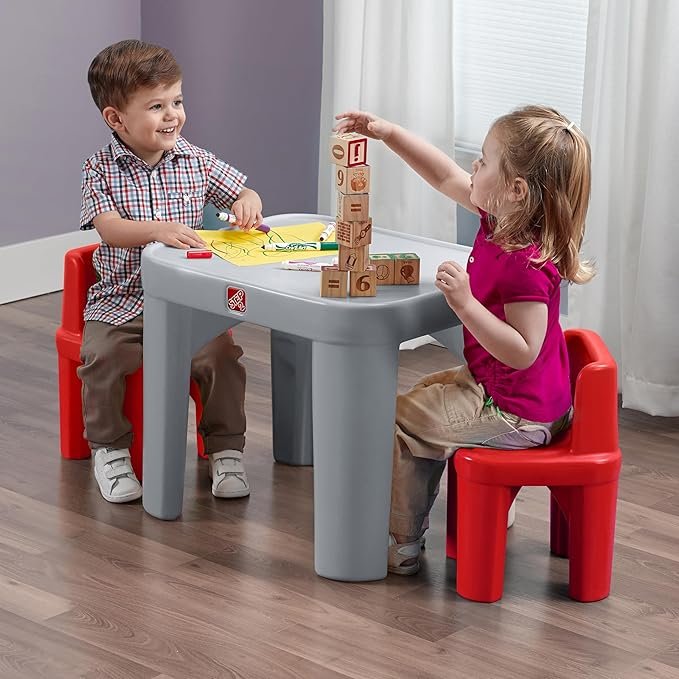
One useful choice for designating these workstations is the Step2 Modern Juice Box Table and Chairs Set. This toddler sized piece of furniture offers a secure, dedicated surface for arts, crafts and autonomous snack times. It gives them a sense of ownership over their creations and is suitable for kids ages 2-5 years.
The Magic of Toy Rotation
If your living room looks like it’s being taken over by plastic junk, the solution isn’t a bigger house, it’s a toy rotation system. Children tend to play longer, be more creative and have longer attention spans with a small number of toys accessible, studies have consistently shown.
A child would typically flutter from one to another, having limited attention spans when faced with twenty toys. But if they are provided with four or five good possibilities, they have to be inventive. A basic wooden block becomes a part of a tower, then a phone, then a car, then a snack.
Begin a toy rotation by gathering the majority of your child’s toys and putting them away out of sight, such as in closets or containers. Pick a few for your open shelves. Every 2 to 3 weeks swap out the untouched items with “new” stuff from your storage containers. It’s like Christmas morning for your child every single time and it costs absolutely nothing.
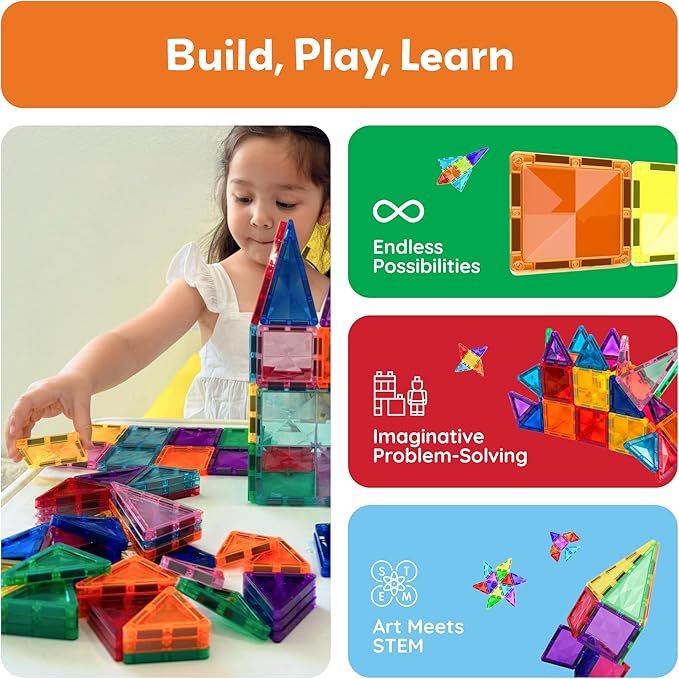
If you want to get the most educational value from your rotational goods, parents may find products such as the PicassoTiles 60-Piece Magnetic Building Tile Set to be quite handy. Magnetic tiles are the gold standard for open-ended play because they expand with your child’s creativity. A toddler will only put them flat on the floor, but a five-year-old will build elaborate three-dimensional castles, developing spatial reasoning and early engineering skills.
Bringing Nature and Real Life Inside
A motivating learning environment can not be disconnected from the real world. Children are attracted to nature and the daily work of grown-ups. Including natural elements and real-life equipment in the home area will instantly ground their play and increase their focus.
Add some non-toxic houseplants for your child to water and care for or add a tray of pinecones, smooth river stones, and seashells on their shelf for tactile sorting.
It’s the same with real life skills, kids love to imitate their parents. Instead of locking kids in a plastic toy kitchen while you cook, find safe methods to include them in the real thing. If you are seeking family-centric ideas with little planning that make ordinary chores a bonding experience.
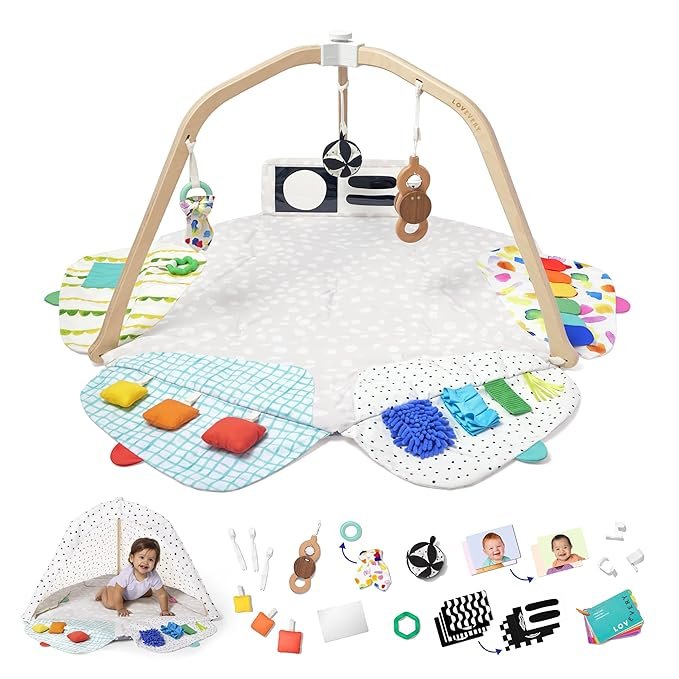
Lovevery Play Gym a developmental play mat was designed by child development experts to grow with your baby from birth through the toddler years, with a stage-based approach. It has five development areas that may be buried or disclosed to avoid overstimulation and is focused on tactile exploration, auditory and visual focus. This is the ultimate foundation for purposeful baby learning environments.
Lighting and Sound: Shaping the Sensory Experience
When we think about an environment, we tend to focus on the visual aspect only, but the aural and lighting environment has a tremendous effect on a child’s mental condition. Harsh overhead fluorescent lighting and continual background noise from a television can cause high amounts of cortisol (the stress hormone) in a youngster, resulting in irritability and frequent meltdowns.
Use mild natural light during the day or warm lamps at adult chest level to create a soothing environment that encourages deep learning. Try not to leave a screen on as background noise, instead choose for gentle classical music, nature noises or ambient jazz at a moderate volume. This sonic background delivers a relaxing rhythm to the day, helping your child stay in a controlled state that is optimum for cognitive development.
Best Products for Parents
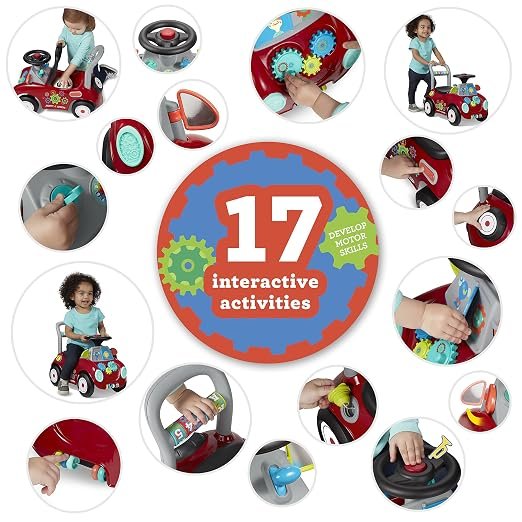
Radio FlyerBusy Buggy
This sit-to-stand toddler toy is a walker and ride-on in one, with 17 sensory activities like sliding beads, clicking knobs and spinning gears. It improves gross motor activity, while also giving a “busy board” sensation to keep toddlers active in one location. It’s a great tool for developing focus and motor planning for toddlers ages 1-3.
Dino World Set Magna-Tiles
This themed collection in particular has several volcanic structures and articulated dinosaurs that add to the building experience, but similar to ordinary tiles. It stimulates elaborate narratives and imaginative play, both of which are essential for language acquisition and innovative problem-solving. This kit is a great value add for youngsters ages 3-6 transitioning into “thematic” play stages.
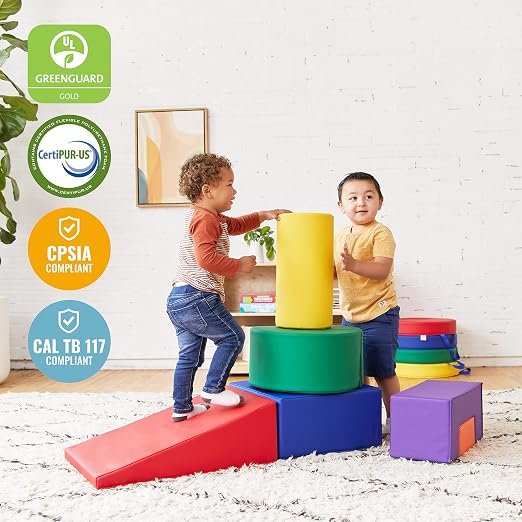
ECR4Kids Softzone Climb & Crawl Activity Playset
Lightweight foam shapes let you make a safe indoor “obstacle course” that encourages climbing, crawling and sliding. This set is a specific place for families with active toddlers to burn off gross motor energy, and assist youngsters learn to control their body so they can pay better attention during calm learning activities later. Suitable for youngsters from 9 months to 3 years.
A Place for Growth Together
Ultimately an early learning environment is not a static area that you plan out once and then forget about. It is a live, breathing ecosystem that evolves with your child. The idea is not to have a picture-perfect home that looks as though it should be on the cover of a magazine. The goal is to establish a refuge where your kid feels seen, capable and trusted.
Slow down, get a view of your home from two feet off the ground and make a few conscious shifts, and you open up a world of natural learning that unfolds right in the comfort of your living room. You don’t need to stumble through this structural progression.
See your home today with new eyes. One modest shelf, one cosy cushion, one rotated toy can be the spark that begins a lovely road of autonomous growth.