
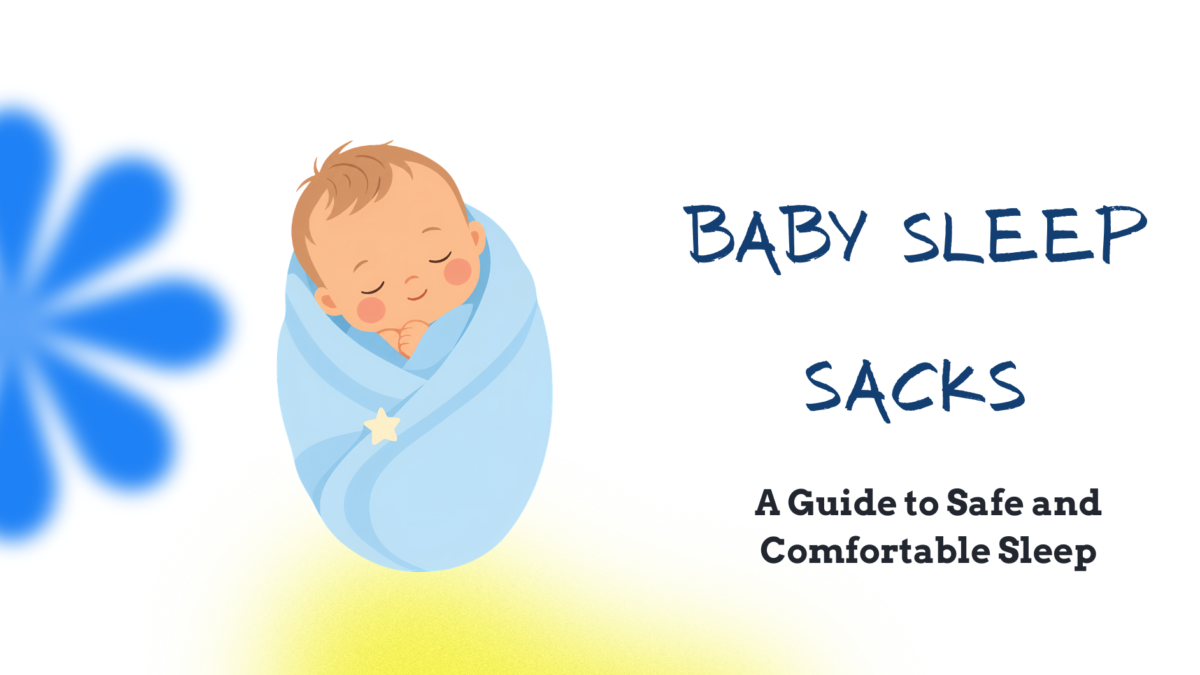
In the early days of parenthood, few things take such a toll on your psyche as your baby’s sleep. In the quiet hours of the night, all of us parents seek the profound comfort that our sleeping baby is sleeping comfortably, safely and at the appropriate temperature. It can be anxiety provoking to move from the cosy, swaddled cocoon of early infancy to open-arm sleep: how to keep your baby warm through the cold early mornings without resorting to loose blankets that breach safe sleep guidelines?
The gold standard solution proposed by paediatric safe sleep researchers is a wearable blanket, popularly called a sleep sack. Unlike loose comforters, crib bumpers or sheets that pose suffocation dangers, a sleep sack can’t be kicked over an infant’s face, or become tangled around limbs or displaced during nighttime wiggling. It serves as a constant, wearable cocoon that stabilises body temperature while keeping an empty, safe cradle environment.
But parents travelling along the aisles of sleepwear are faced with a perplexing maze of textile measures. Thermal overall grade (TOG) ratings, contradicting age transitions, weighted sleep sack warnings, synthetic fleece vs natural plant fibres picking the perfect wearable blanket can quickly become overwhelming. If the sleep sack is too heavy the body temperature can become dangerously high. If the sleep sack is too thin night wakings can occur due to the cold.
A truly supportive sleep sack should control body temperature, assist natural hip biomechanics and facilitate nightly diaper checks without adding nursery clutter. At Cozy Parents, we review baby sleep must-haves through the dual lenses of paediatric safe sleep protocols, textile breathability, ergonomic joint health and clutter-conscious living. We believe your baby’s sleep environment should be calm, non-toxic and purposely modest.
If you’re excited to create a tranquil, secure sleeping place with the help of expert shopping guides, practical habits and critiques of minimalist gear, Cozy Parents has practical resources for quiet family living.
The Scientific Basis of Wearable Blankets: Thermal Biomechanics & Safe Sleep Practices
A baby’s ability to regulate heat is quite fragile. Unlike adults, babies don’t have the mature shivering and sweating processes so they can quickly get too hot or too cold.
When assessing a sleep sack across ages and seasons, paediatricians and safe-sleep task groups look to four core pillars:
1. TOG Ratings and Layering for the Season Explained
The warmth of a sleep sack is rated worldwide with a TOG (Thermal Overall Grade). The higher the number, the better the heat insulation; the lower the number, the lighter and cooler the fabric:
0.5 TOG: Super lightweight, single layer cotton or bamboo viscose for hot summer nurseries (74°F to 78°F / 23°C to 26°C).
1.0 TOG: Suitable for moderate climate controlled rooms all year round (68°F to 73°F / 20°C to 23°C). Standard all season weight.
2.5 TOG: Padded, multi-layer winter insulation for cold nursery nites (61°F to 68°F / 16°C to 20°C).
3.5 TOG: Heavy cold weather insulation for unheated winter bedrooms (under 60°F / 15°C).
Instead of adding on external blankets, match the TOG rating to the ambient temperature of your nursery. This avoids newborn overheating, a major recognised risk factor for Sudden newborn Death Syndrome (SIDS).
2. Strict Prohibition on Weighted Sleep Products
In recent years, retailers have begun selling extensively advertised “weighted” sleep bags filled with glass beads or poly-pellets. But the American Academy of Paediatrics (AAP) and the Consumer Product Safety Commission (CPSC) have put out urgent cautions against weighted swaddles and sleep sacks. The extra physical weight on a baby’s delicate chest can prevent the ribcage from expanding, stop the respiratory diaphragm from moving, squeeze tiny airways, and make it harder for a newborn to roll out of unsafe postures. Safe Sleep Sacks must be lightweight and unweighted.
3. Bell-Bottom Geometry and Prevention of Hip Dysplasia
The hip needs enough space to allow the legs to be in a relaxed frog-leg position for healthy development. The International Hip Dysplasia Institute says a sleep sack should “fit snugly around the neck and chest, so it doesn’t slip off” for safety but the bottom of the bag should be a large, bell-shaped pouch. This wide perimeter allows the hips and knees to bend, kick and spread out properly without restriction from side to side.
4. Two-Way And Inverted Zippers Seamless
You shouldn’t have to undress your infant in a cold room to change a midnight diaper. Premium sleep sacks include smooth two-way or inverted zippers that zip from bottom to top. This design keeps the infant’s chest, neck and arms snuggly zipped inside the heated upper half, while allowing the bottom of the sack to flip open for a 60 second diaper swap. The metal slider on the protective fabric zipper garage at the neckline minimises pinching of fragile chin skin.
Best Baby Sleep Sacks For All Ages & Seasons
To assist you find a secure, comfortable and breathable sleep rotation, we investigated seven noteworthy sleep sacks now active on Amazon US.
All the models have shown hip-healthy construction, pure non-toxic textiles and reliable temperature regulation.
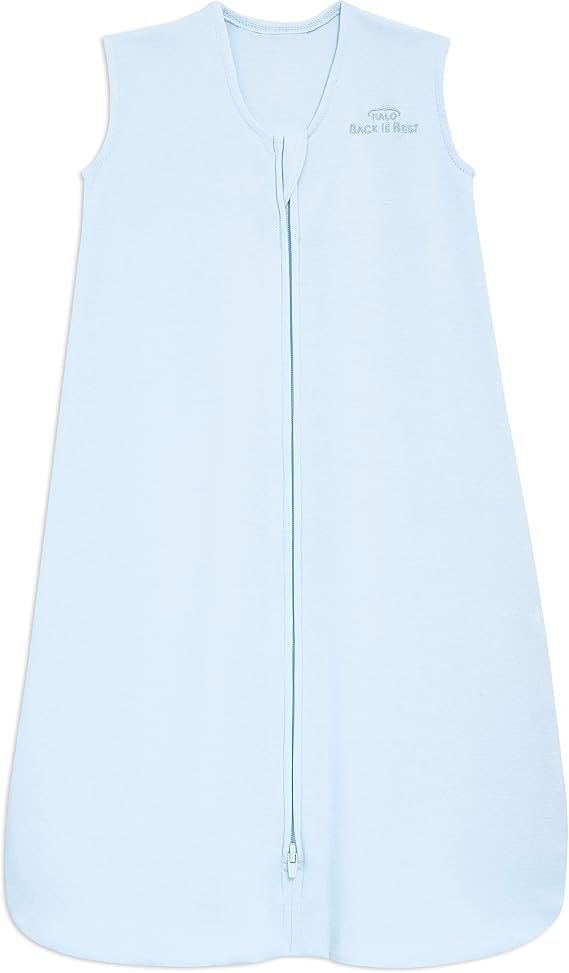
1. HALO 100% Cotton SleepSack Wearable Blankets
The HALO SleepSack is the gold standard for infant safe sleep as the pioneer of modern wearable blankets used in over 1,700 hospital maternity wards in North America. Our unpadded 0.5-to-1.0 TOG sack is made from 100% pure breathable natural cotton and offers mild year-round comfort, keeping your baby at a constant temperature with no synthetic overheating.
It has a snug neck and armholes to help it stay in place and not ride up over your baby’s nose or mouth, as well as a wide, bell-shaped bottom that’s “Hip Healthy” certified by the International Hip Dysplasia Institute. The trademark inverted zipper opens from the bottom for quick, easy diaper changes in the dark. A robust, no-frills essential that can handle hundreds of high-heat laundry cycles, with soft cotton binding at every seam and a zipper cover for protection.
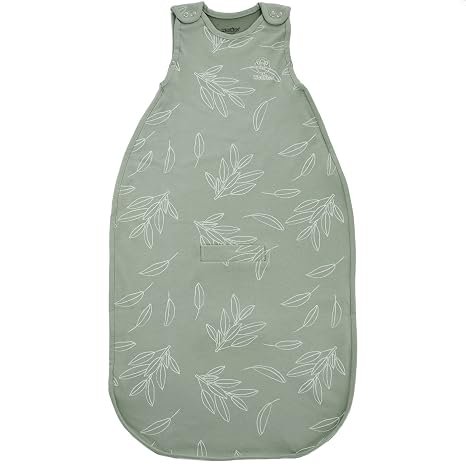
2. Woolino 4 Season Ultimate Baby Sleeping Bag
The Woolino 4 Season Ultimate Sleep Bag is natural fibre engineering for families that want a single heirloom quality sleep sack so they don’t have to buy separate TOG ratings for each season. This is a biological microclimate regulator, 100% ultra-fine Australian merino wool lining, encapsulated in silky 100% GOTS-certified organic cotton shell.
Merino wool naturally insulates in winter, while breathing and releasing moisture in summer, keeping your thermal comfort at the optimal level at room temperatures from 63°F to 77°F. One sack, with size-adjustment snaps under the arm, accommodates a two-month old baby to a two-year old, ending the never-ending cycle of outgrown sizes. It has a two-way side-to-bottom zipper that lays flat, a closable seatbelt hole for easy car seat transfers and hypoallergenic breathability that soothes eczema-prone skin.
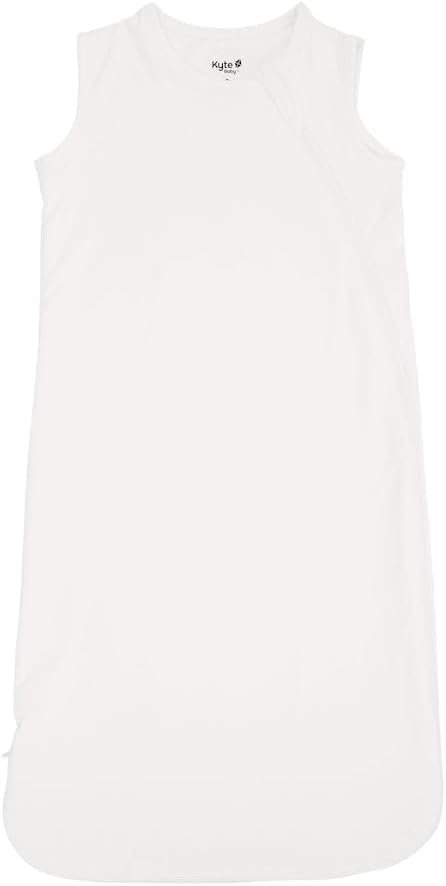
3. Kyte Baby Bamboo Rayon from Bamboo Sleep Bag
The Kyte Baby Sleep Bag is made from 97% bamboo derived rayon and 3% spandex and is buttery smooth to the touch. Bamboo fibres are excellent at wicking away moisture and help to regulate temperature so this is a good choice for babies who sweat a lot at night or in a hot nursery.
Available in graded 0.5, 1.0 and 2.5 TOG choices, it has a hypoallergenic, cloud-like drape that lies softly against sensitive skin. The neck and armholes are cut just right so they don’t slip, and the zipper goes up and down in both directions with a whisper-quiet smoothness. Clean, simple colour palettes give modern cribs a serene beauty, free of harsh chemical finishes and flame retardants, while nonetheless fitting cosily and without constriction.
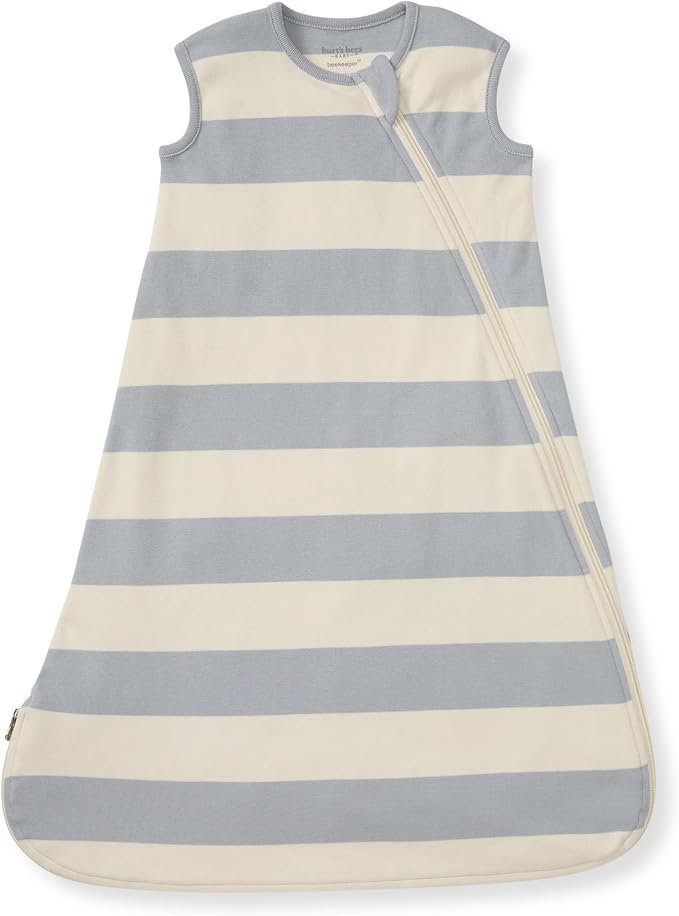
4. Burt’s Bees Baby Beekeeper 100% Organic Cotton Wearable Blanket
Combining pure organic materials with an accessible price range, the Burt’s Bees Baby Beekeeper is an outstanding 0.5 TOG lightweight sleep sack produced from 100% GOTS-certified organic combed cotton. It is particularly suited for warm summer months, or for adequately heated winter nurseries when the thick wadding would make the baby too hot.
The fabric is airy, silky and pre cleaned to avoid any surprise shrinking. Active kickers get to stretch out their legs in the Beekeeper’s extra-long, roomy sack shape, which provides for natural motor comfort. The durable bottom-up zipper has an internal fabric flap to shield sensitive skin from zipper teeth and a secure snap closure at the neckline. A wash-safe must-have for families who are serious about nursery purity.
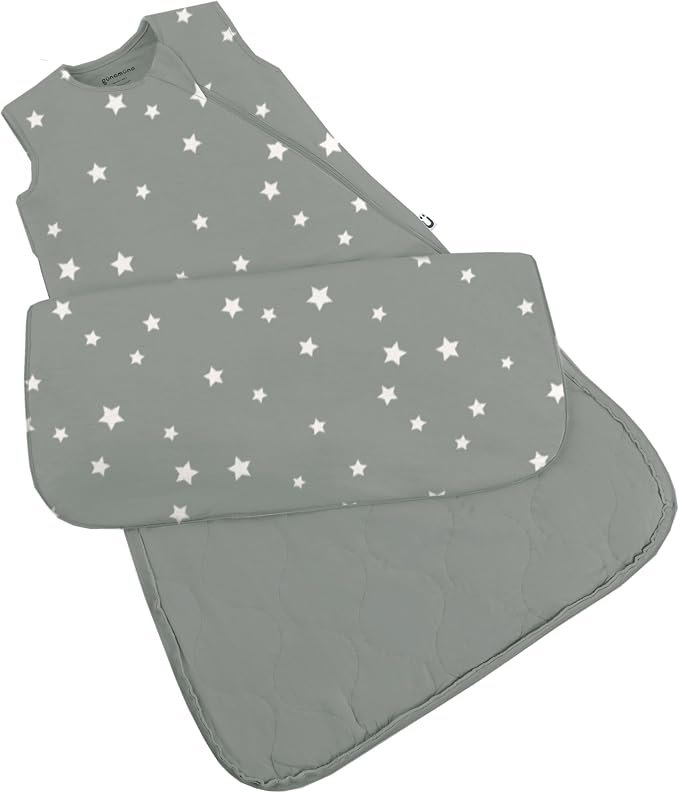
5. gunamuna Duo Bamboo & Down-Alternative Sleeping Bag
The gunamuna Duo Sleep Bag is built for harsh winter drafts with velvety, cloud-like warmth that doesn’t compromise breathability. It has a rating of 2.5 TOG and a smooth bamboo rayon outer shell covered with hypoallergenic, micro-fiber down-alternative filling for soothing duvet-like loft.
What really sets the gunamuna apart is its innovative WonderZip system: a four-way perimeter zipper that lets parents unzip simply the bottom for diaper checks or unzip the side entirely flat while your baby naps. The bag’s broad, rounded shape provides hips absolute freedom of movement and the quilted channels are pillowy, keeping the thermal filling well distributed and preventing it from clumping in the wash. This is a great choice for cosy winter sleep for older infants and toddlers.
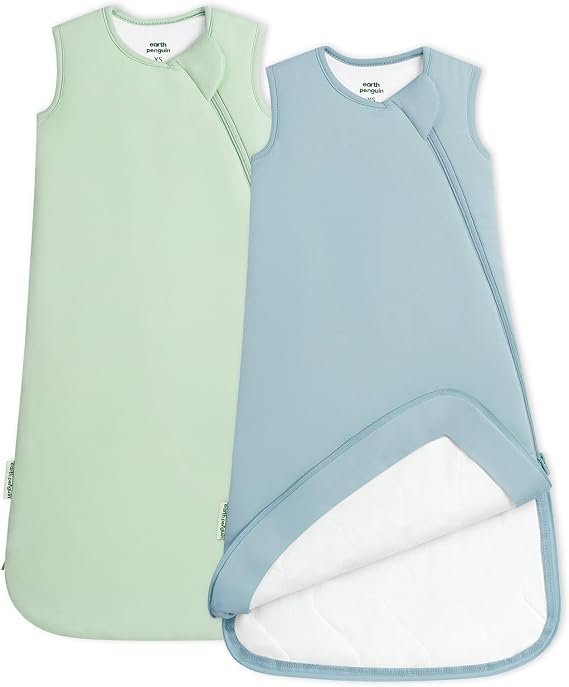
6. Soft Bamboo Viscose Baby Sleep Sack
The Zen Sack Classic is specifically designed for babies who are having trouble transitioning out of the swaddle and has a lightly weighted centre cushion that is made only within paediatric safe-sleep weight limitations. The little non-restrictive poly-bead chest insert offers a soft non-constricting touch of approximately one ounce, intended to simulate the calming sensation of a parent’s palm resting on the chest.
Most importantly, the Zen bag does not weigh down the body or constrict ribcage movement; the light centre pad is loose across the sternum while the rest of the bag is spun from lightweight, breathable 100% natural cotton (certified at 0.5 TOG). With two-way shoulder snaps that expand with your baby’s torso and an inverted bottom zipper, it’s a soothing transition bridge for restless sleepers learning to settle on their back.
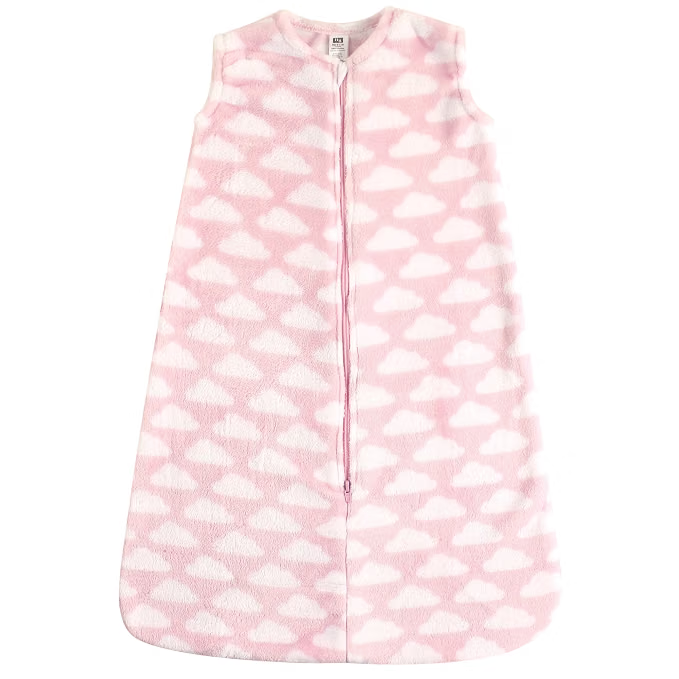
7. Hudson Baby Plush Fleece Sleep Sack
The Hudson Baby Plush Fleece Sleeping Bag is cheap, heavy-duty thermal insulation for draughty, uninsulated homes during peak winter freezes. The dense microfleece with a high pile construction of this sack does a great job of trapping warm air so you do not get chilled on cold winter evenings.
Fleece fabric is gentle to the touch and naturally water-resistant, which helps protect your bedding when there are overnight diaper leaks. Designed for a more active, older baby (6-24 months) who sleeps in a cooler area, it offers an easy, comfortable alternative to unsafe crib blankets that will keep your baby warm and cosy.
Practical Rhythms & Age Transitions: Swaddle to Toddler Sack
The right sleep sack for your child is determined by matching your child’s gross motor development with the right form of sleepwear. As your baby grows up, the infant’s sleep equipment should evolve to keep them mobile and safe.
To get you through these developmental milestones more easily, use these four age-based guidelines:
1. Roll-Over Milestone (Arms-Out Transition)
When your baby begins to show an interest in rolling over, usually between eight and twelve weeks of age, you must stop traditional swaddling with the arms tucked in. If a swaddled infant rolls to their stomach, they are unable to push up on their arms or turn their face, which can be a serious suffocation concern. Skip right to a sleeveless, arms-free sleep bag that keeps both hands fully free to support those stomach rolls.
2. Sizing by Height and Weight, NOT Age
Sleep sack age labelling (e.g., “6–12 months”) are only rough guides. Select a size based on your child’s current height and weight. If a sleep sack is too big, your baby’s head can fall down through the neck opening, creating a serious smothering hazard inside the bag. The neckline should be snug enough that the zipper will not allow it to be dragged up over your child’s chin.
3. Implement a “Two-Sack” Laundry Rotation
Don’t be tempted to stockpile a dozen sleep sacks in diverse prints. For each seasonal weight, a family needs only two quality sleep sacks: “one on the baby, one in the wash.” If a nightly diaper leak occurs, you simply slide the backup bag on the baby and dump the soiled one into the morning wash basket. A rigorous restriction of two sacks keeps drawers from overflowing and makes doing laundry easier.
4. Moving to Early Walkers
But once your child reaches the toddler stage and starts standing or walking in their crib, the typical closed bags can sometimes be a trip hazard. Now you can graduate to an early-walker sleep suit with elasticated ankle restraints. These footed wearable blankets will keep your child warm all night long but yet give their feet a way to walk through the fabric and promote safe movement when they wake up.
Moving Forward with Intention
A baby sleep sack is more than just a warm piece of clothing. It is a fundamental safe-sleep barrier that protects your baby’s airway, regulates his or her body temperature and gives a comforting, consistent sensory cue that it’s time to rest. The correct wearable blanket supports your child’s growing hip biomechanics, while letting parents sleep deeply and confidently during the night.
By selecting certified unweighted designs, breathable organic natural linens, calibrated TOG ratings, and a clutter-free washing rotation, you are creating a sleep sanctuary that supports your baby’s safety and also offers peace of mind to your family.
Take a few minutes tonight to audit your nursery room temperature, check the fit of your present sleepwear, and embrace a simplified, safe sleep setup that delivers comfort and quiet rest to your family.
You don’t have to make early childhood equipment decisions or nursery planning all by yourself, ever. Cozy Parents is your partner for authentic product audits, developmental frameworks and minimalist house practices, to help you become an intentional, grounded parent.