
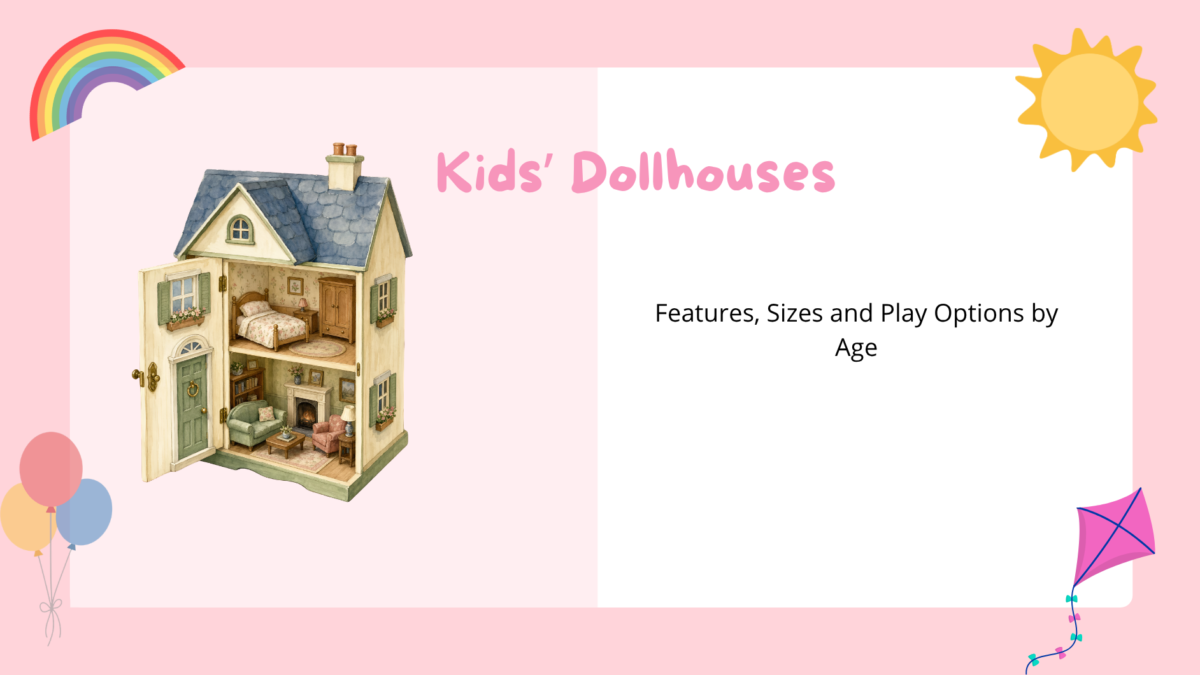
Few childhood toys have the lasting appeal of a dollhouse. A youngster becomes architect, storyteller and director, standing in front of a little universe with cross-sectioned chambers, open stairways and tiny furnishings. Small-world pretend play is a safe, restricted laboratory where toddlers may process emotional experiences, rehearse social scenarios and master sophisticated fine motor skills long before they are able to negotiate adult societal institutions.
But for parents who wish to keep their home orderly and intentional, the purchase of a dollhouse might bring spatial and material difficulties. They pack toy store shelves with towering plastic palaces in gaudy neon finishes, with blaring battery-operated electronic doorbells, flimsy lift pulleys and hundreds of micro-accessories that rapidly scatter across living room rugs. A dollhouse that is too big to be developmentally appropriate or too delicate for regular play rapidly turns into an expensive dust collector and storage problem.
The right dollhouse will be age-appropriate and developmentally appropriate for your child, yet fit in nicely with the rest of the family’s living space. At Cozy Parents, we review kids play furniture through the lens of developmental cognitive research, fine motor biomechanics, non-toxic material purity and clutter-conscious living. We believe play equipment should last a long time, be built from sturdy, sustainable materials, inspire imaginative agency and preserve the tranquil aesthetic of your living environment.
If you’re looking to create a meaningful, intentional play environment with expert buying frameworks, practical routines and minimalist gadget recommendations, Cozy Parents delivers grounded resources for tranquil daily family life.
Miniatures Developmental Stages
Dollhouses are not one size fits all toys. As a kid develops their spatial reasoning, fine motor coordination and symbolic language, their interaction with small-scale environments shifts significantly.
1. Toddlerhood (Ages 1 to 3): Chunky Ergonomics and Cause & Effect
Toddlers use direct gross and fine motor exploration in play areas. They don’t yet build complex multi-step stories. They work with physical cause-and-effect, like getting a figure through an open doorway, dropping something down the stairs or rocking a small bed. Dollhouses at this period must have wide open-sided floor layouts, rounded edges, and large wooden figures, one piece, which prevent choking hazards and fit well in an uncontrolled palmar grasp.
2. Early Preschool (Ages 3 to 4): Symbolic Play and Social Imitation
Symbolic thought, the cognitive process by which small items are understood to symbolise real world counterparts, develops between the ages of three and four years. Their play becomes a reflection of everyday domestic activities: placing a doll into bed, making imagined food or taking figures out the front door to school. Traditional 1:12 scale (one inch = one foot) dollhouses are just the right size for preschoolers’ spatial proportions. They promote thumb-and-finger pincer grip manipulation and two-handed bilateral coordination.
3. Early Elementary (Ages 5 and up): Micro-Detailing and Narrative Complexity
Five year olds. Multi-perspective narrative. Fine motor skills advanced. They are generally projecting their problems, tension and wishes onto small characters and using doll play to practice social relations and emotional control. Older children thrive on multi-story arrangements, functioning sliding doors, elaborate architectural elements and modular furnishings that allow them to customise, redecorate and exercise creative autonomy over their environment.
4. Non-Toxic Materials: Integrity and Structural Stability
A dollhouse is a large piece of children’s furniture that sits directly on bedroom or playroom floors, not small hand toys that are readily replaced. Avoid plastic pieces that will flex and shatter or inexpensive medium density fibreboards (MDF) bonded with dangerous urea-formaldehyde glues. Choose solid hardwoods, including rubberwood, birch or FSC-certified pine, treated with non-toxic, water-based stains that will withstand years of intense play without chemical off-gassing.
Well-Sized Dollhouses for Creative Play
We then reviewed seven excellent models now active on Amazon US to help you choose out a durable, developmentally balanced and artistically grounded dollhouse for your household.
Each selection displays good structural integrity, non-toxic timber craftsmanship and high-value imagination.
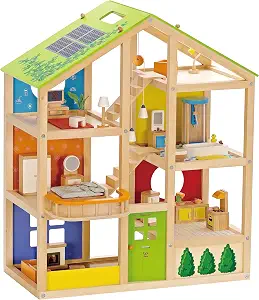
1. Hape All Season Kids Wooden Dollhouse (3+ years)
Hape All Season Dollhouse (Hape) Praised by early childhood educators as the gold standard for gender-neutral open-ended play, the Hape All Season Dollhouse offers sophisticated architectural lines and heirloom-grade craftsmanship. The three-story, six-room house is made of FSC-certified solid birch and basswood plywood, and is open on one side, so several children can play at the same time from different angles without bumping into each other.
Its signature architectural element is a reversible solar-paneled roof that is able to switch between summer and winter themes, bringing eco-conscious ideas through play. The accompanying thirty-piece solid wood furniture set includes moving stairs, functional reading lamps and magnetic latching fixtures in an understandable 1:12 scale. Finished in odourless, non-toxic water-based paints, with warm natural wood tones, muted main highlights and durable quality that readily lasts for generations.
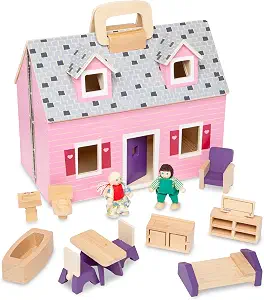
2. Melissa & Doug Fold & Go Wooden Dollhouse (3 to 6 years)
For families living in tiny houses or flats with limited permanent floor space, the Melissa & Doug Fold & Go packs in rich imaginative play in a portable footprint. This two-storey wooden home, mounted on heavy-duty metal hinges, swings fully open flat for 360 degree access to the room, then folds together and is securely latched with a robust brass clasp.
Made of solid wood with a built-in wooden carry handle on the top, designed for an ergonomic grip so youngsters can easily take their whole miniature world from the playroom to the living room or grandparents’ home all by themselves. The set is fully furnished with eleven chunky wooden items of furniture and two flexible play people. Its tiny, fold-away profile fits easily in a bedroom closet or under a bed making it an outstanding, clutter-free alternative for active homes.
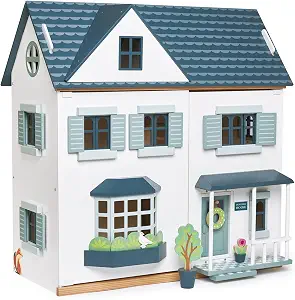
3. Tender Leaf Toys Dovetail Wooden Doll House (Ages 3-8)
An heirloom display, the Tender Leaf Toys Dovetail Dollhouse is proof of Scandinavian finesse and enduring mid-century aesthetic perfection. Made by hand from sustainable, chemical-free Indonesian rubberwood, with a slate-blue gabled roof, it has functional opening window shutters and a large central front facade that swings open gently on wooden dowel hinges.
The interior, spanning three levels, includes decorated wallpaper backdrops that evoke imagined domestic narratives without constraining the child’s own creative direction. You may take the roof right off the attic and get a big third-floor studio area. It’s made to a 1:12 size, the standard for dollhouses, so it’ll accommodate many furniture collections and add peaceful architectural warmth to modern kids’ bedrooms.
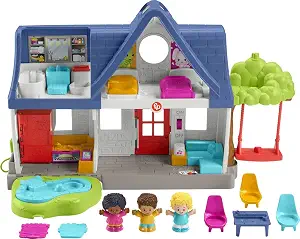
4. Fisher-Price Little People Friends Play Together House (Ages 1 – 5)
The Fisher-Price Little People Friends Together Play House is perfect for toddlers who are just starting to engage in early pretend play, offering safe and durable interaction for little hands. Made with broad, rounded plastic arches and hefty surfaces without any small bits, it lets one- and two-year-olds securely explore the home.
The play house has three Smart Stages learning levels that teach music, counting and daily activities using responsive touch-points, such as pressing the toilet flush or opening the oven door. Also included are bigger figures, ergonomically shaped to fit an infant’s palmar grasp to encourage hand-eye coordination. It has a built-in carrying handle and an open front and back pass-through design. This is a durable, frustration-free way to begin small-world play.
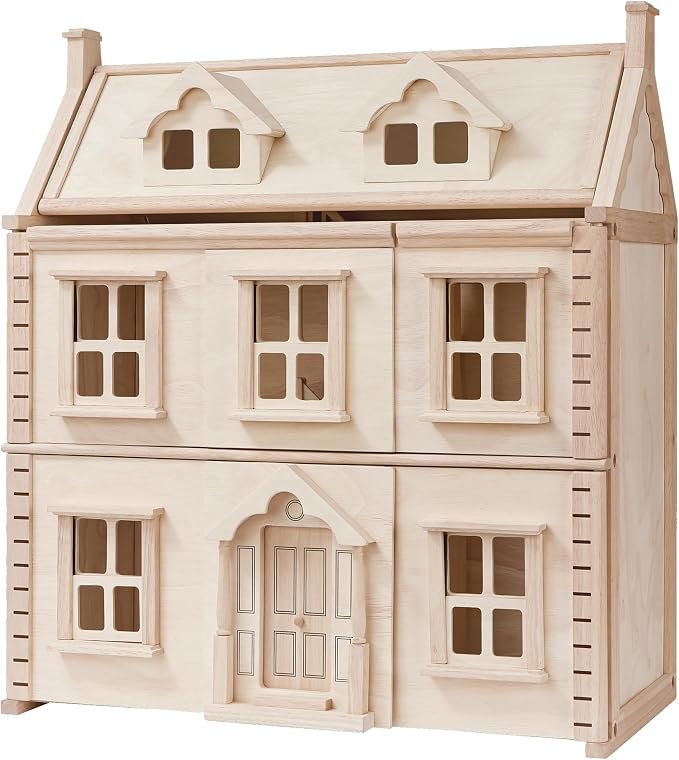
5. Victorian Wooden Dollhouse by PlanToys (Ages 3+)
Inspired by radical environmental sustainability and timeless Victorian style, the PlanToys Victorian Dollhouse is made from repurposed rubberwood trees, held together with non-formaldehyde E-Zero glue and coloured with organic water-based paints. Decorated with sliding sash windows, classical architectural columns and double-hinged front panels that open wide to expose three massive stories joined by an attic stairway, its regal exterior is impressive.
The natural wood exterior is left unpainted, enhancing the organic beauty of real timber grain, while removing the painted scuff marks. The roomy floor plans provide plenty of freedom to use one’s hands, so preschoolers can move the furniture about without disturbing neighbouring rooms. Built with generational strength, this is an investment piece that evolves from childhood to become a beloved family keepsake.
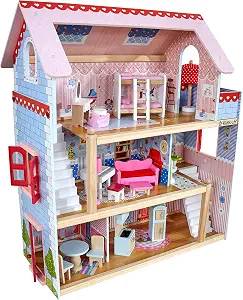
6. KidKraft Chelsea Wooden Dollhouse with Furniture (Ages 3-8)
A long-time favourite, the KidKraft Chelsea Dollhouse is a small vertical footprint cottage that is easy to access and very reliable with multi-level play. It’s thirty-three inches tall, utilising vertical height to give three storeys, five different rooms and an outdoor balcony, without taking up lots of floor area in smaller nurseries.
The playhouse is made of solid wood and reinforced composite lumber and features a complete set of 17-piece wooden furnishings including an opening piano, bunk beds with authentic fabric bedding and an iron-spiral staircase. Realistic details like the acrylic panes that open and close add to the realism of the windows. It’s scaled for four- to five-inch miniature dolls, which makes it perfect for lots of social and domestic stories.
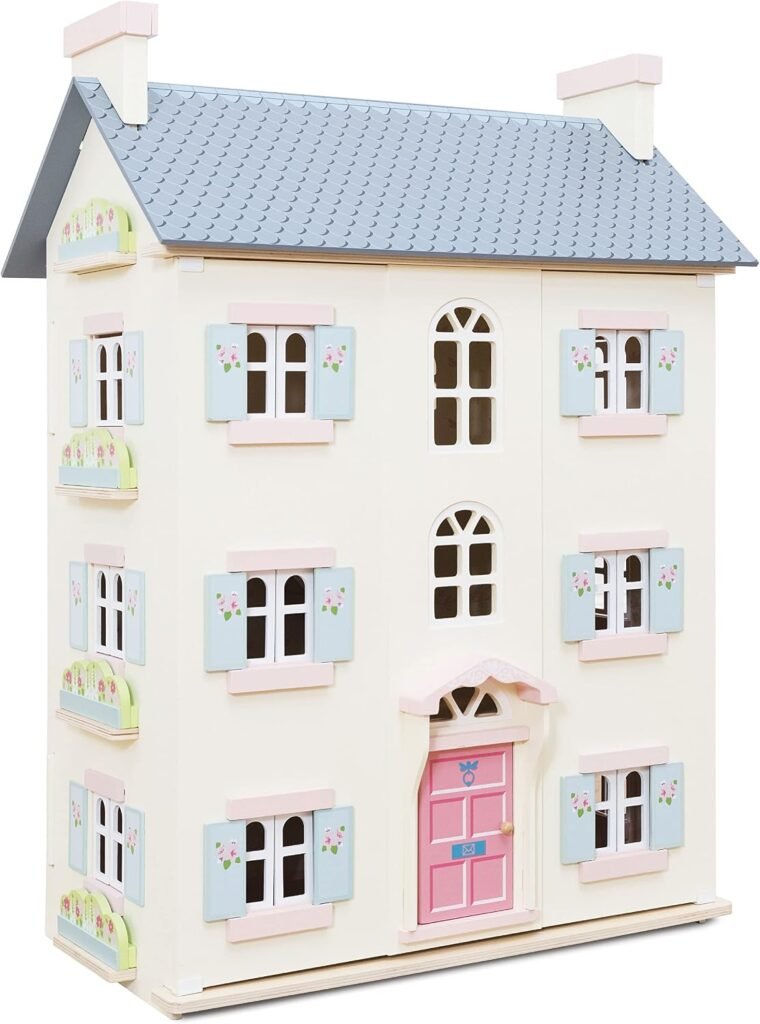
7. Le Toy Van Large Wooden Doll House Cherry Tree Hall (3+ Years)
For families looking for a huge, multi-generational statement piece, Le Toy Van’s Cherry Tree Hall is a beautiful four-story wooden house. It is thirty-six inches tall and has beautiful external details including functional sash windows, individual window shutters with magnetic locks, brick-embossed chimneys and a magnificent entrance door with an integrated archway.
Four inner storeys are joined by wooden stairs with ornate bannisters, with each level showcasing varied room designs. The front panels open flat from the center and the roofline lifts off to give you full access to the high-ceiling attic chamber. It is finished in chip-resistant non-toxic paints and provides an expansive universe for numerous youngsters to engage in concurrent and collaborative social play.
Large Play Structures in Shared Living Areas
A dollhouse is a sizable, physical play station that may easily take over sightlines in a living room or become a haphazard catch-all for unrelated toys if boundaries aren’t kept.
Try these four spatial mindfulness tips for keeping order, flow and functionality in your home:
1. Attach the House to a Low Wooden Activity Table
It is awkward to hoover the big dollhouse on the floor and kids have to lay down on their stomachs to get to the highest floors. Securely mount the house on a low wooden bench, a solid coffee table or an IKEA Kallax unit placed horizontally against a wall. The eighteen-inch height of the raised structure puts the rooms at a seated child’s chest height, increasing postural ergonomics, with room below for flat storage bins.
2. “Capsule Furniture” Rotation Routine
Dollhouses can get daunting when you stuff fifty different accessories in four little rooms. Clutter stops play If every room is full of stuff, children will be frustrated when they try to put a figure in a chair and end up knocking over a table. Keep three or four key furniture pieces in each room. Store seasonal decorations and accessories in an upper closet and change them out every few weeks to regenerate curiosity and concentrated play.
3. Create an End-of-Day “Tuck-In” Reset
Turn nighttime cleanup into a game, an extension of imaginative play, not a burden. Teach your child an end-of-day “tuck-in” ritual: putting the dolls to bed, tucking the dining chairs under the table and closing exterior doors or shutters. This easy two-minute ritual delivers a mild mental shift toward sleep and puts visual order back into your living space.
4. Give Loose Accessories
During active play, youngsters take apart dollhouse rooms, so little chairs and cushions easily get lost beneath sofas and carpets. Place a shallow open wooden tray or a felt caddy beside the dollhouse base. Establish the rule with your child that any stray dollhouse accessories that are not in a room at that moment belong on the tray. This drop zone clears floor clutter and misplaced items.
Building Emotional Resilience with Pretend Play
A dollhouse is so much more than a piece of stylish nursery furniture, it is an empowering small stage where your child is the ultimate control of their environment. In a world where young children spend their days doing what adults tell them to do, miniature small-world play gives them full autonomy to direct storylines, solve problems and work through difficult real-world sentiments in a safe, loving environment.
By selecting a dollhouse sized to your kid’s physical dexterity, constructed from non-toxic natural lumber, and supported by a clutter-free accessory rotation, you provide your child with a lasting developmental tool that fosters creativity, empathy and fine motor confidence for years to come.
Take a few minutes this week to review your play space, clear out the flimsy plastic clutter and create a welcoming little enclave that sparks peaceful, concentrated, and truly joyous childhood imagination.
You don’t have to decide on early childhood equipment or playroom organization all by yourself. If you want honest product reviews, developmental frameworks and minimum household practices, Cozy Parents is your trusted partner for purposeful, grounded parenting.