
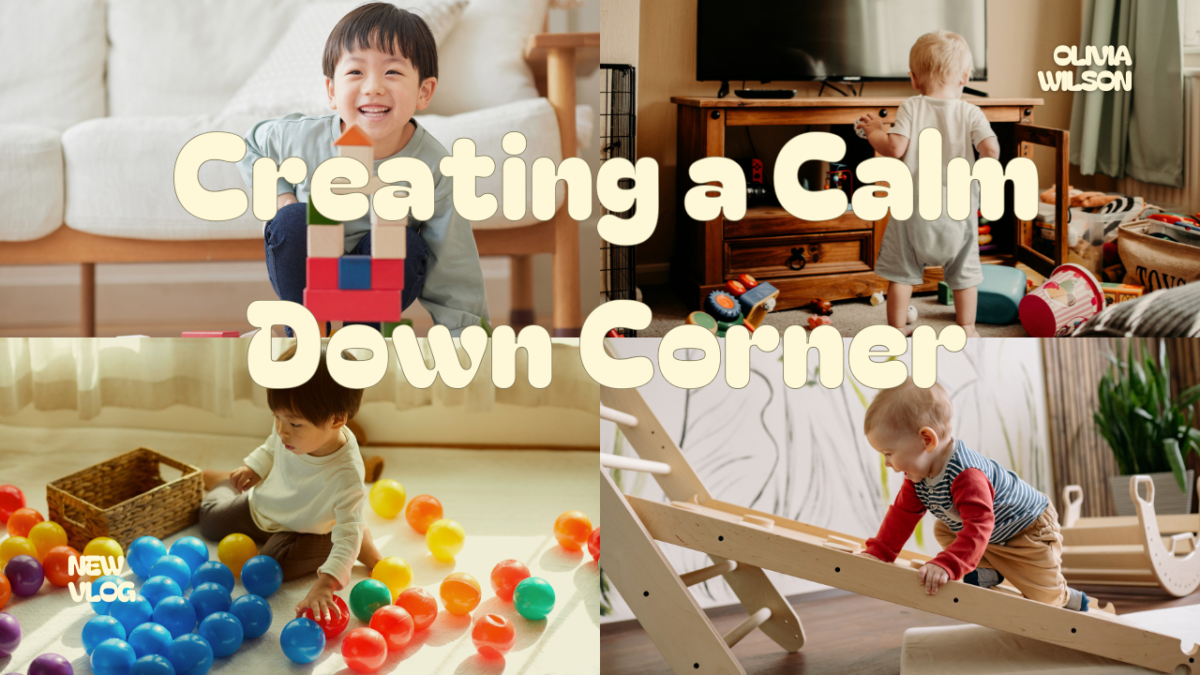
The typical approach of parenting to an emotional overload in a toddler or preschooler has historically been solitude. We instruct them to go to their room, sit on a ‘naughty step’ or have a silent time-out until they can act appropriately.
But in neuro-developmental terms, isolating a highly dysregulated youngster is like pulling the battery out of a screaming smoke detector while the fire is still blazing.
In the midst of a strong emotional storm, a young child’s nervous system triggers a biological fight-or-flight response. They aren’t being malicious; their juvenile brains are literally saturated with stress hormones.
We don’t realise it, but by isolating them in these panic moments, we add to their emotional misery with dread and rejection. They don’t learn to calm down, they learn to hide their feelings in order to stay near to you.
The alternative is a dramatic movement from isolation to invitation. “Instead of sending the kid to time out, we can create a calming corner, a positive space.”
“This is not a place of punishment it is an emotional gym” It’s a non-electronic sanctuary that feels good to touch, with specific tools that help kids lower their pulse rates, understand their internal feelings and regain control.
We recognise that it takes so much intentionality to disrupt the established paradigms of generational discipline at Cosy Parents. A calm down corner is no longer a struggle with managing behaviour; high stress meltdowns change into opportunities for profound structural connection.
If you’re all about soft and grounded home space to facilitate these rapid developmental stages, check our website which connects you with practical, therapist-backed toolkits for actual family living.
Behavioural Friction: Why Punishment Loops Don’t Work
Punitive time-outs to control large sentiments inject long-term friction into a child’s psychological development.
The inhibition reflex
When a youngster is made to remain in quiet because of their crying or anger, the child learns to see unpleasant emotions as unsafe. This repression may cause internal anxiety or postponed behavioural explosions later in the day.
The Absence of Skill Building
Traditional seclusion punishes the behaviour but does not teach the alternative. A child left alone on a step isn’t learning about processing frustration or coping with disappointment or doing deep-breathing cycles.
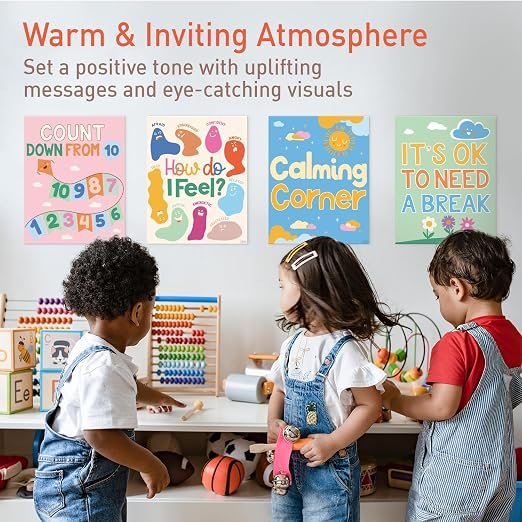
Your Step-by-Step Calm Corner Set-Up Guide
Step 1 – Create a Low-Traffic Perimeter
Choose a calm and comfortable nook of your living room or your child’s bedroom, away from the main traffic flow of the house. Keep it away from TVs, strong overhead lights or crowded doors to minimise sensory stimulation.
Step 2 – Establish Soft, Deep-Pressure Limits
Define the physical space with boundaries of excellent comfort. Lay a thick rug, place a soft floor cushion or make a little cloth play tent. Physical enclosure simulates the comfort of a protective hug. It tells the nervous system that it’s okay to downshift.
Step 3 – Compile the Core Regulation Tools
Don’t fill the space with toys. Choose 3-4 passive non-electronic products that engage multiple sensory pathways: a tactile calming object, a visual tracking object and an emotional literacy poster or deck of cards.
Step 4 – Practice Good Before the Storm Hits
Never tell your child to go to the quiet down corner while he or she is screaming on the floor. Bring it up during a tranquil, cheerful morning time. Sit together in the corner and play with the tools as if it was a special game and remark, “This is our quiet space in our family. We can come here together when our feelings are too big to help our bodies feel better.”
If you want to find out more about how to alter your home environment to make these emotional transitions easier without fighting battles every day, Cosy Parents’ full family guide archives can provide you with a clear, stress-free plan.
Three Sensory Levels Of An Effective Regulative Space
To move a child successfully from high frequency distress back to an emotionally balanced baseline, a calm down corner must deliver tailored input to three distinct brain networks.
Layer 1: Deep Tactile and Proprioceptive Inputs
When a youngster is angry or worried, their body needs to feel deep muscle response to help them get grounded in space. Squeezing a high-resistance piece of dough, embracing a dense weighted toy or resting on a vibrating sensory cushion provides immediate, soothing signals to the brainstem, reducing cortisol production.
Layer 2: Visual and auditory relaxation
Bright lights and hectic settings cause behavioural meltdowns. A tranquil corner should have gradual, very predictable visual pathways.
Silent liquid timers, basic geometric mazes or slow moving sensory bottles allow the optical nerve to focus on a rhythmic sequence, so the nervous system can step down from a state of hyper-alertness.
Level 3: Concrete Cognitive Mapping
As long as the physical body is generally quiet, the youngster needs to move into cognitive processing. Visual charts with lifelike faces showing different emotions aid children in identifying what happened. Combine this with basic strategy cards that have choices such as “take 3 deep breaths” or “squeeze a pillow” to create a clear bridge back to rational cognition. To find out more about how to build these emotional-literacy practices at home, examine the extensive parent resource databases at Cozy Parents .
Products Recommended for Parents
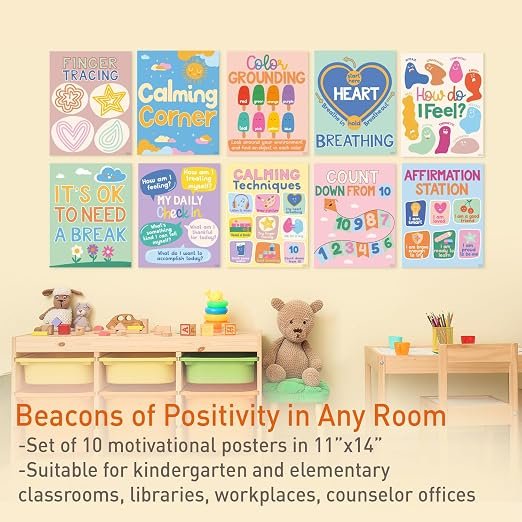
Learn & Grow Social Emotional Calm Down Corner Poster Kit
This all-inclusive visual kit is loaded with high-quality heavy-duty laminated posters made especially for early children classrooms and home spaces. Rather than abstract concepts, it presents clean, realistic photographic representations of children expressing key emotions and large, colour-coded decision tracks (e.g., “I can count to 10,” “I can stretch,” or “I can use a sensory tool”). It gives toddlers and preschoolers with a very immediate and very accurate visual checklist for recognising their internal condition and selecting an independent, non-destructive way to full calm down on their own.
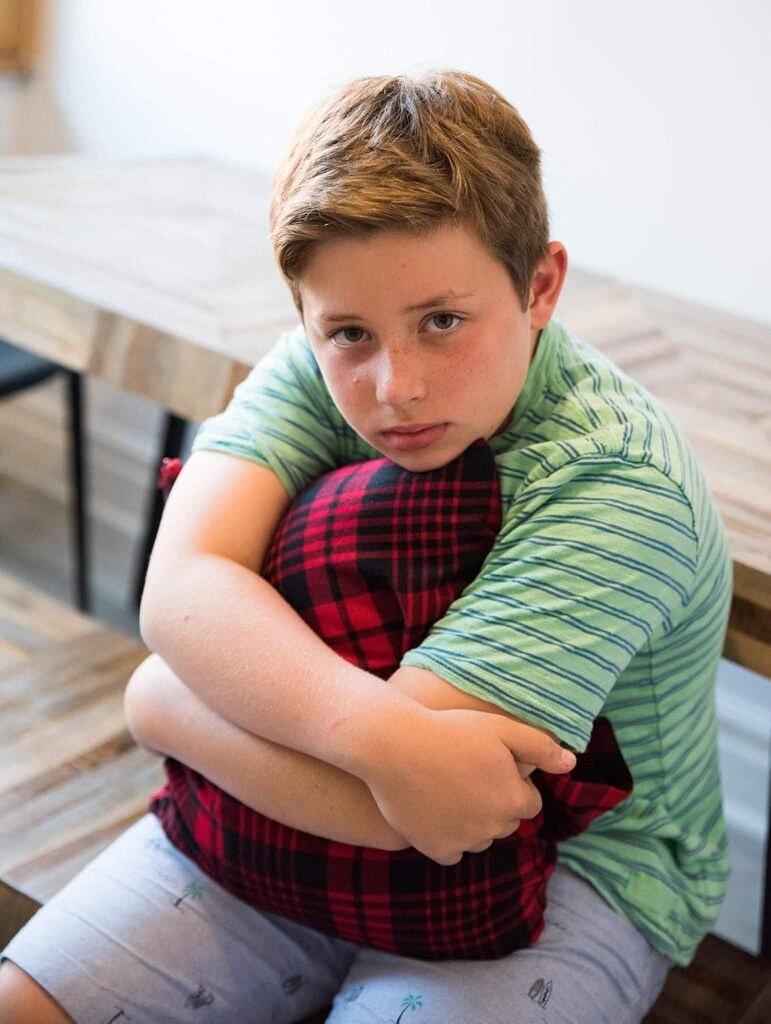
Senseez Trendy Flannel Sensory Vibrating Cushion
A premium, lightweight sensory cushion that gently vibrates as soon as a child sits on it or squeezes it to their chest. This battery operated tool has no cords coming out of it and provides quick soothing proprioceptive input and deep tactile pressure. It is a great anchor for toddlers who are overstimulated.
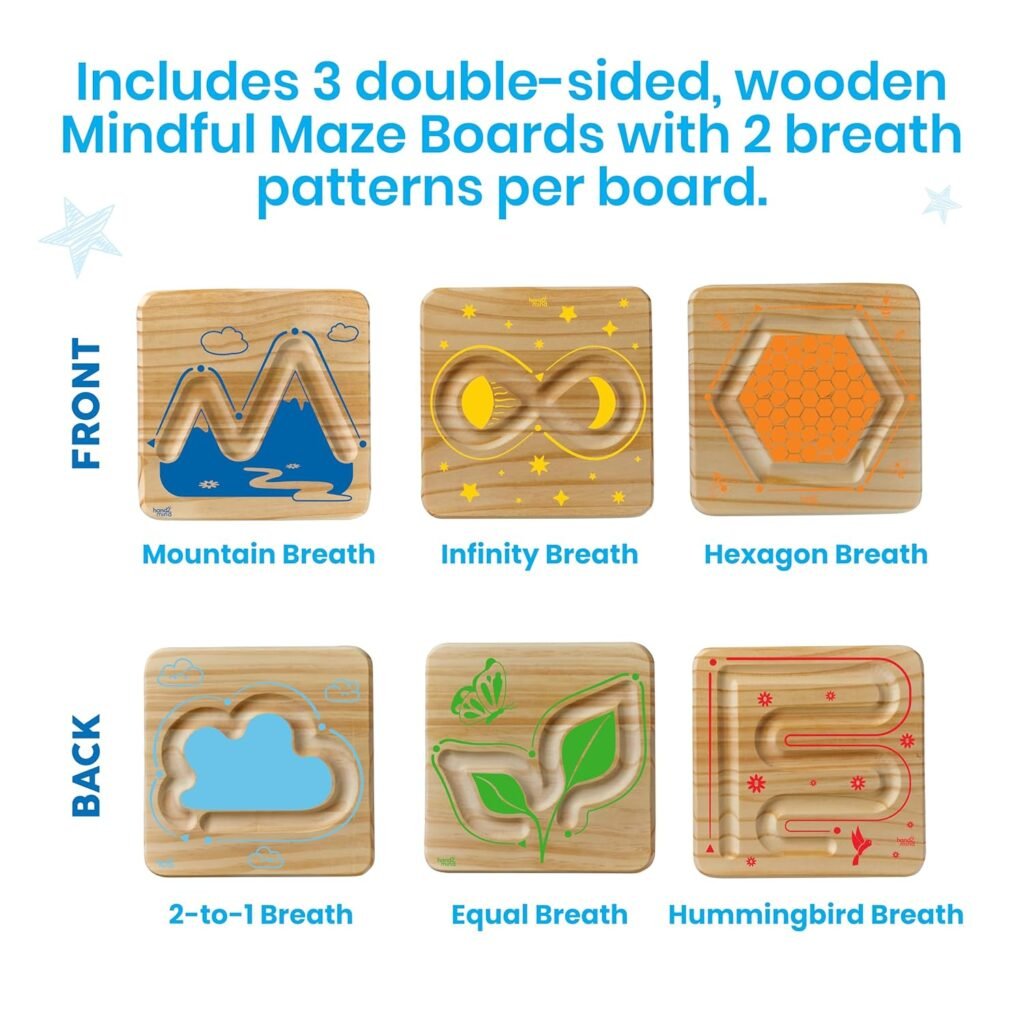
Hand2mind Mindful Maze Set
A pair of two strong double-sided plastic boards with deep geometric maze designs that the children trace slowly with their fingertips. With easy-to-see cues on the tracks, it makes deep-breathing exercises a hands-on, active motor skill that helps kids slow down their breathing naturally.
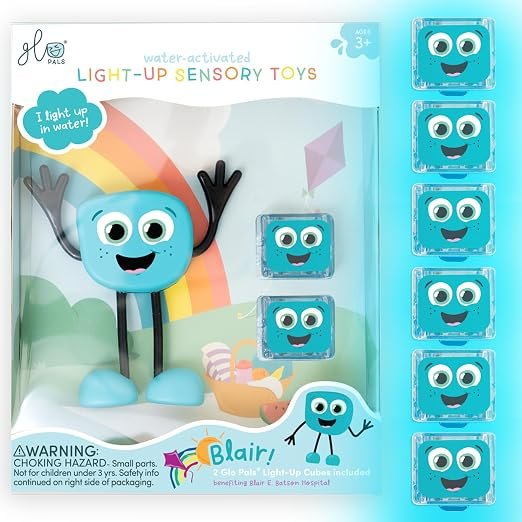
Glo Pals Sensory Water Cubes Light-Up Set
These liquid actuated colour changing light cubes only glow quietly when placed in a small bowl of water. Giving them a calm tactile nook gives a mesmerising, low-stimulation visual anchor that stimulates focused study and rhythmic hand manipulation, and is an amazing aid for evening sensory downshifting.
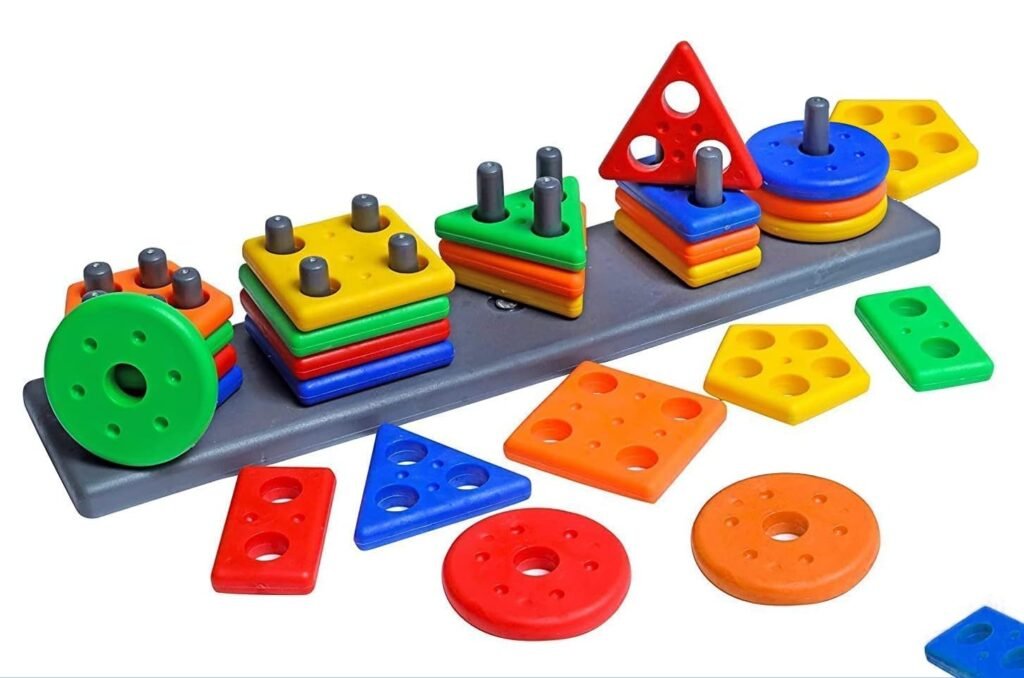
Spoolz Stacking Game by Fat Brain Toys
A gorgeous minimalist set of seven enormous heavy duty plastic spools, with unique tactile ridges and an organic matte finish. They have no electronic parts, loud noise or brilliant flashing lights, making them a premier tool for peaceful, repetitive architectural balance that settles a racing mind.
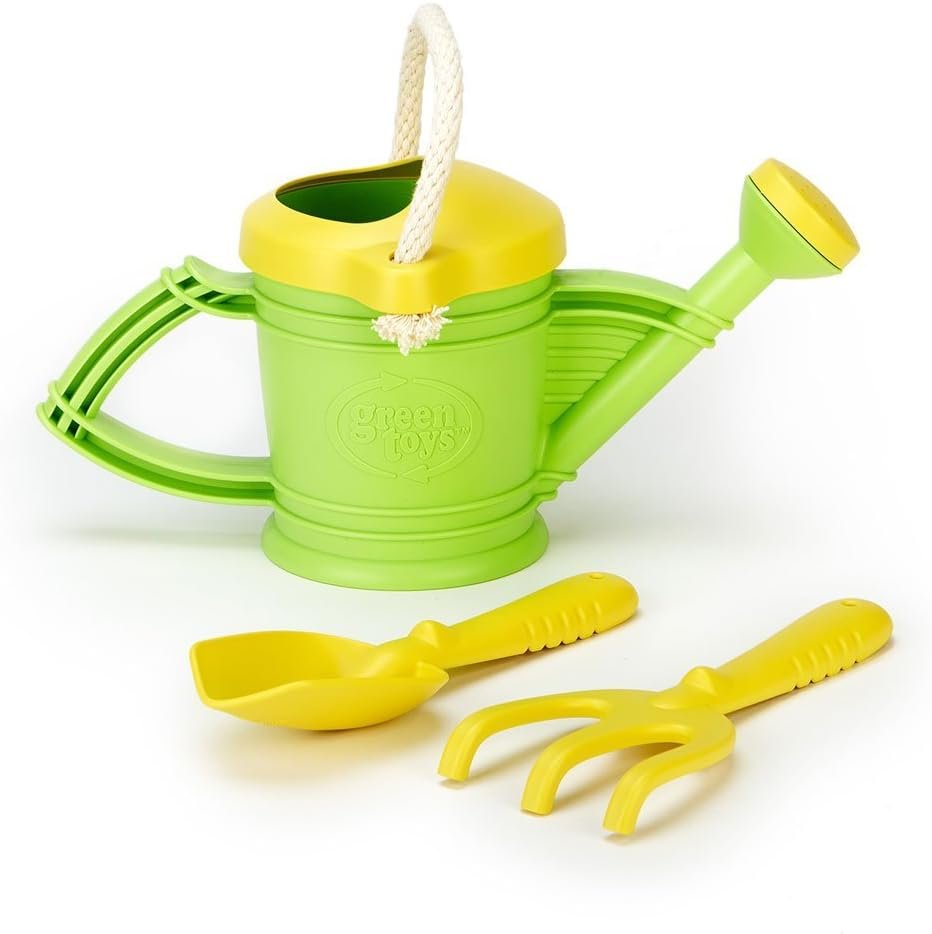
Green Toys Tide Pool Set
Made in the USA from 100% recycled plastic milk containers, the sensory set is devoid of chemicals and includes a star-shaped pouring shell, a jellyfish scooper and a textured snail mould. Provides a very sturdy, easily sanitizable frame for quiet water pouring and tactile filtering in a peaceful corner set-up.
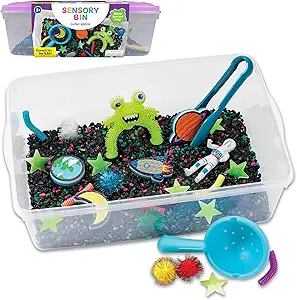
Creativity for Kids Sensory Bin Outer Space Discovery Kit
A premium themed all-in-one sensory box including ultra-soft space sand, concealed astronaut figures and actual visual gems. Older toddlers can enter a profound state of independent tactile focus by burying, excavating and filtering through the smooth sand, safely relieving internal tension through open-ended narrative play.
Summary of Roadmap to Self-Regulation
Use this easy-to-remember behaviour strategy to help you easily bring this loving discipline change into your parenting:
The Intent: See the room as the training ground for a lifetime of emotional wellness, never a place of banishment.
The Timing: Co-regulate gently (“Let’s go look at our posters together”) rather than angrily demand your youngster to the corner.
The Balance: Fully welcome all internal feelings, but establish strict boundaries against physical harm.
The Modelling: Deliberately go to the calm down corner yourself when you feel your own grownup frustration peak to role model the ability.
Conclusion: Creating an Inner Sanctuary
After all, creating a quiet down corner is about so much more than just navigating a difficult toddler milestone or preventing an afternoon tantrum. It’s about changing the overall emotional climate in your home. It shows your growing youngster that their enormous, messy, adult-sized sensations are okay, manageable and safe.
You break the cycle of punishment and create a soft space filled with purposeful, grounding resources to give your child the keys to their own resilience. These behavioural shifts don’t have to be carried by you alone. For a constant stream of baby care tips, lifestyle advice and expert-led child development information, stay tuned to Cozy Parents stored as your trusted digital village.
Make that peaceful area clear, put out the soft cushion, invite them in and watch with pride as your amazing tiny human learns to battle their inner storms with courage and confidence.