

You sit at the kitchen table, watching your toddler attempt to pick up one cheerios piece. They clamp their little fingers together, miscalculate the distance, miss a number of times and then crush it before steering it to their mouth triumphantly. It appears like a normal everyday scene. But under the hood, your child’s brain and muscles are doing an immensely complicated dance of neurology.
What we call fine motor abilities are the little movements of the hands, fingers and wrists. They are the foundation of practically everything your child will do as they grow up from buttoning on their school uniform and zipping up a winter coat to writing their name and using a fork.
As parents, it can be overwhelming to keep up with all the developmental milestones we’re meant to know about. We ponder if we should buy expensive flashcards or enroll in specialized classes. But the lovely truth of child development is that the best tool for growth is right in front of you: your daily routine. A little intention added to your regular day can convert everyday moments into effective muscle-building workouts for your little one.
At Cozy Parents, we think assistance should never feel heavy or difficult. If you want more strategies to make your family routines easier and increase your child’s milestones, we will give you practical frameworks that fit into your busy life. So, let’s discuss how you can naturally build these key finger and hand muscles during your typical day.
Know Milestone Journey
Before we look at activities it helps to understand what we are truly building. The pincer grasp and bilateral coordination are the two most important physical accomplishments in the development of fine motor skills.
Pincer grasp: The capacity to pick up an object with the thumb and index finger. This is how a clumsy whole-hand hold turns into a precision controlled grip. Bilateral coordination is the capacity to utilize two hands together efficiently to perform a task such as holding a sheet of paper with one hand while cutting with the other.
Each child will progress at their own individual speed but it is one of the most rewarding things about being a parent to witness these milestones. If you want to take a deep dive, Cozy Parents has developmental guides that provide a clear stress-free roadmap for what to expect at different ages.
Morning Routines The Original Fine Motor Activity
Mornings can be hectic but they provide natural opportunities for your child to develop hand strength and finger independence. Save time by handing over the control of a few easy tasks instead of handling everything for your child, by waking up just ten minutes earlier.
Breakfast prep is a good place to start. There is something magical about hand control when your child peels a banana, pours cereal from a little pitcher sized for a youngster or spreads cream cheese on toast with a dull plastic knife. These motions involve wrist stability and finger isolation, both important for learning how to handle a pencil later on.
Another treasure for synchronization is the dressing of self. Pulling up stockings, pressing thick buttons through buttonholes and pulling zippers are very complicated chores for young fingers.
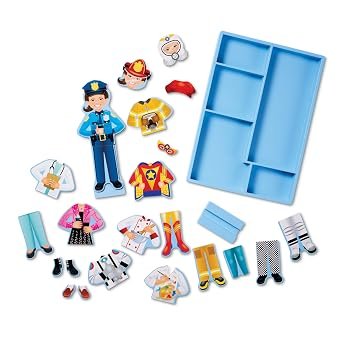
A fun and easy way to experiment with this ability is with the Melissa and Doug Magnetic Wooden Dress-Up Dolls. This activity kit is perfect for preschoolers to practice arranging and matching wooden clothing pieces onto a magnetic foundation, building precision, spatial awareness and finger strength. This is a great tool for kids aged three to six who are working on the concept of putting outfits together.
Mid-Day Play: The Magic of Intentional Play Materials
The best toys are frequently the simplest when it comes to fun. Open-ended play allows children to manipulate things in different ways, exercising their hand muscles without them even knowing they’re exercising!
Playdough is the hand workout champion. The motions of squeezing, rolling, flattening and pounding dough build the intrinsic muscles of the hand, the microscopic muscles within the palm that allow for a strong grip. Take it a step further and conceal small objects like buttons or beads inside the dough and ask your child to dig them out. They then have to make solitary finger movements.
Another great everyday tool is playing with water. Give your youngster a bowl of water, an empty cup and a couple of plastic medical droppers or kitchen sponges and you can spend an hour right there. Squeezing a sponge or pulling the plunger on a dropper uses the same muscle groups you’ll need for cutting with scissors later on.
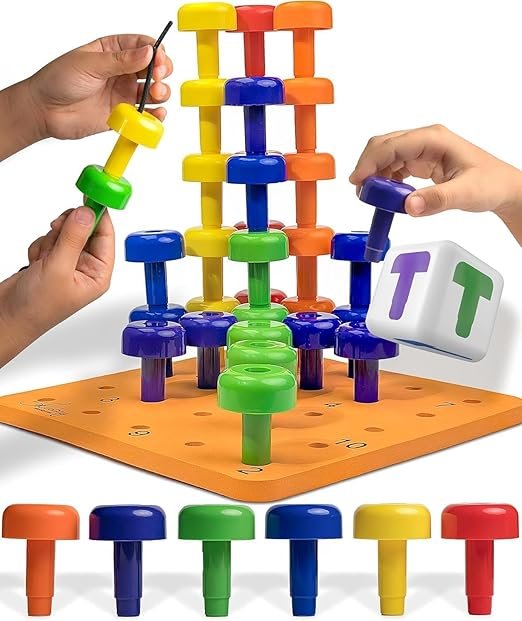
Parents searching for organised yet open-ended solutions may find products like the Skoolzy Plastic Peg Board Set quite handy. Toddlers and preschoolers can press the giant colourful pegs into a foam board or stack them on top of each other in this learning activity. Great for targeting the pincer grasp and teaches matching and sorting for children aged two to four.
Afternoon Activities and Sensory Exploration
As the afternoon energy dip comes, moving to sensory play can be a calming method to keep strengthening those hand abilities. Dry rice, beans or dried pasta in sensory bins are great for tactile development. Touch exploration is great for the brain to absorb sensory information . This directly translates to cleaner , more precise motor motions .
You may hand your youngster a set of kitchen tongs or giant tweezers and ask them to separate the bigger spaghetti pieces into an ice cube tray. It takes hand-eye coordination and focus and a lot of hand endurance.
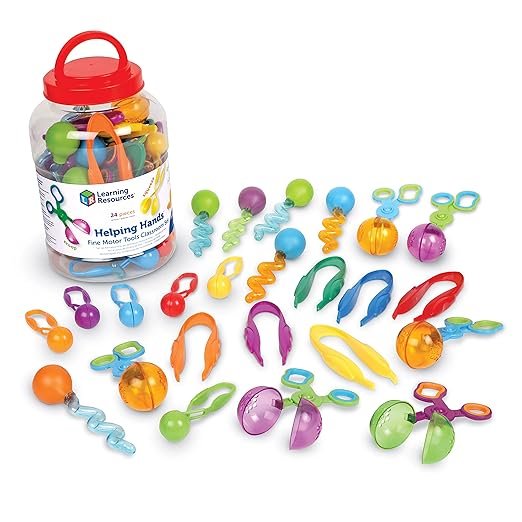
If you are working on this ability in a more structured way with your family, a helpful item for this exercise is the Learning Resources Helping Hands Fine Motor item Set. This kit features four custom-designed tools including a squeezy tweezer and a scooper that simulate the precise muscles used for scissor cutting and pencil writing. Perfect for children between 3 and 6 years old.
In the afternoon, creative arts and crafts are equally fundamental. In fact, for young children, tearing construction paper into tiny pieces for a mosaic collage is better than using scissors. Tearing is a big step forward in bilateral coordination, since you move the thumb and index fingers of both hands in different directions.
If you ever need creative, screen free inspiration for rainy afternoons, check out the activity archives at our website for dozens of low prep activities using stuff you already have in your cupboard.
Evening Routines: Unwinding With Intention
When the day comes to a close, fine motor exercise doesn’t have to end. Bath time is a special place for muscles to move. Bath crayons, floating toys and pouring cups help your youngster to reach, grasp and write on a vertical surface. Paediatric occupational therapists often advocate writing on a vertical surface like a shower wall to help build the shoulder and wrist stability needed for fine motor skills.
Storytime may be interactive too. Instead of flipping the pages yourself, let your toddler take over. Flipping the thin pages of a book, one by one, needs a tremendous isolation and care of the fingers.
Puzzle play before lights out may be a lovely soothing exercise that anchors your child’s focus. As kids work on puzzles, rotating pieces to fit into a particular slot, they’ll build spatial awareness and accuracy.
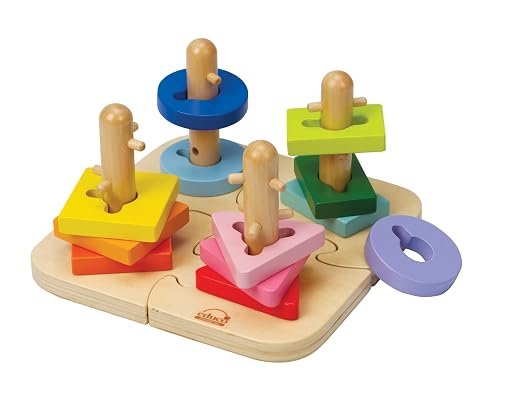
Parents might offer the Hape Wooden Peg Puzzles for this evening wind-down. These puzzles include large, solid wooden knobs that little hands can easily grab and help babies and younger toddlers practise their early pincer grasp while learning about shapes, animals and numbers. Great for development for kids from 12 months to 3 years old.
Products Recommended for Parents
Learning Resources Spike the Fine Motor Hedgehog
A famous developmental toy where toddlers push and pull colorful, peg-shaped “quills” into the rear of a friendly plastic hedgehog. This motion specifically develops the pincer grasp and requires finger isolation as kids learn how to pinch the pegs. Good for toddlers from 18 months to 3 years old.
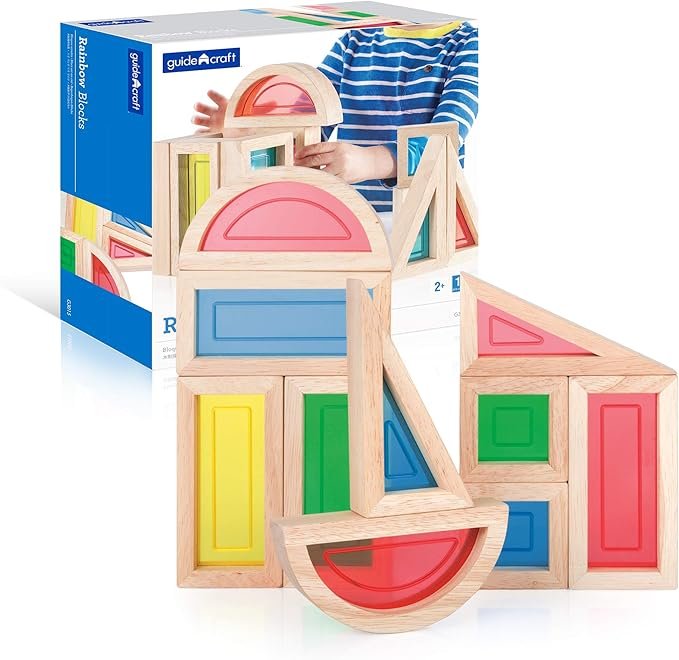
Guidecraft Rainbow Block Set
Unusual building pieces with bright clear acrylic middles filled with water sand or tiny beads. While getting visual sensory feedback, youngsters are practicing the hand stability required for complex structure play as they stack, balance and rotate the shapes. It is great for preschoolers ages 2-5.
Believe in the Process
You don’t need a Pinterest-worthy setting or hours of organized planning to develop your child’s fine motor abilities. It happens in the glorious, messy places of your ordinary existence. It happens when they assist you clean the table off, when they fight to put their own shoes on and when they play with the cardboard box instead of the toy that came in it.
The best things that you can give your child are time, patience and space to do things on their own, even if it takes a little longer. You’re helping kids grow the physical confidence they need to take on the world by letting them develop naturally and providing soft opportunities for them to practice.
If you’d want more ongoing support, community tales and expert-backed guidance on managing these precious early years, remember that Cozyparents is always available to walk with you on your parenting journey.