

The Conscious Playbook: Building a Thriving Parent-Child Ecosystem in 2026
Modern parenting is often framed as a race to keep up with milestones, but true growth happens in the quiet, intentional spaces we create with our children. Building a healthy parent-child ecosystem requires more than just high-tech gadgets; it demands a shift toward purposeful interaction. Whether you are navigating the toddler years or laying the groundwork for emotional intelligence, the environment you cultivate at home acts as the primary teacher.
The Foundation: Parenting Guides for New Parents
Before diving into toys and games, it is essential to align your parenting philosophy. The best parenting books for child development are those that focus on the science of attachment and neurobiology. By understanding how a child’s brain processes stress and joy, you become more equipped to handle behavioral challenges with empathy rather than frustration.
When selecting resources, look for books that emphasize child behavior management tools that lean into positive reinforcement. These guides provide a roadmap for the inevitable ‘big feelings’ that toddlers experience, helping you remain the anchor in your child’s emotional storm.

Montessori Learning and Interactive Play
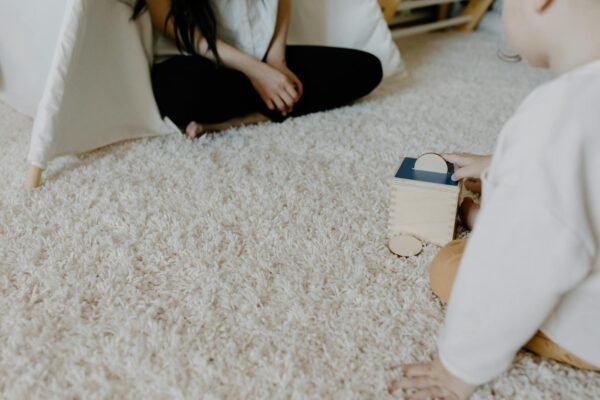
The core of an intentional ecosystem is the quality of play. Montessori learning toys for kids are designed to foster independence, allowing children to solve problems through tactile exploration. Unlike battery-operated toys that do the work for the child, these tools require active engagement, which is vital for cognitive development.
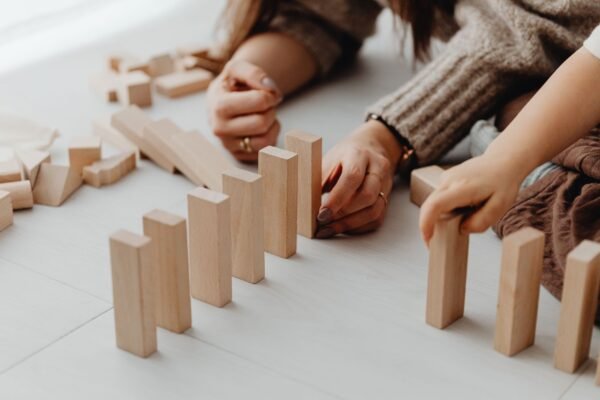
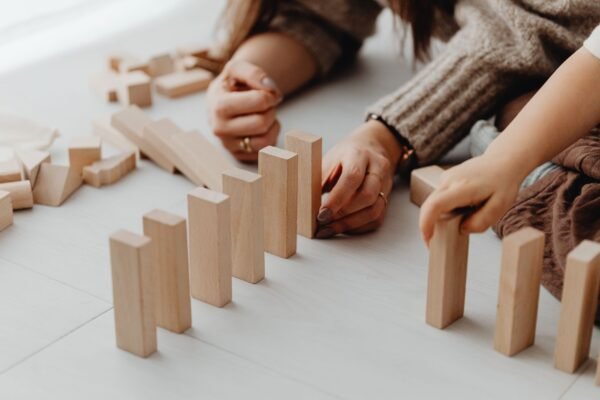
Educational toys for toddlers should be selected based on their ability to grow with the child. Open-ended play—where a single set of wooden blocks can become a castle, a bridge, or a tower—is the gold standard for long-term engagement.
- Focus on natural materials like wood and organic cotton.
- Prioritize toys that have no ‘right’ or ‘wrong’ way to play.
- Ensure the toys allow for independent cleanup to build executive function.

Deepening the Bond Through Shared Experiences
Parent-child bonding games are not just about passing time; they are about co-regulation. When you sit down to play a board game or engage in a guided activity, you are signaling to your child that they are a priority. In 2026, many parents are turning toward toddler development activity kits that arrive monthly, providing a fresh supply of curated materials that keep curiosity alive.
Emotional intelligence is just as important as academic readiness. Integrating kids’ emotional intelligence books into your bedtime routine is a simple yet profound way to help children label their emotions. When a child can name their frustration, they are less likely to act it out physically.

Creating Your Daily Rhythm
Consistency creates security. By establishing a rhythm—not necessarily a rigid schedule—you allow your child to anticipate the flow of the day. This reduces anxiety and creates space for deeper connection. Your ecosystem thrives when there is a balance between structured learning and unstructured play. Remember, you do not need to be a perfect parent to build a thriving ecosystem; you only need to be present and willing to learn alongside your child.
Top Picks for a Connected Home