

Cultivating a Growth-Mindset Home
In the modern household, finding time for genuine connection can feel like a challenge. However, the most profound development in a child’s life doesn’t happen during structured classes or extracurriculars; it happens in the quiet, intentional moments you share at home. Building a thriving parent-child ecosystem requires a blend of curiosity, the right tools, and a shift in how we view ‘play’ as an essential pillar of learning.
The Power of Intentional Play
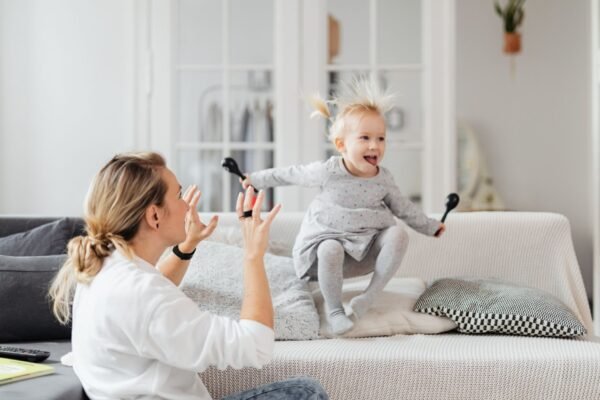
Play is the language of childhood. When we engage in parent-child bonding games, we aren’t just passing the time; we are teaching our children how to navigate social dynamics, regulate their emotions, and solve complex problems. By choosing educational toys for toddlers that encourage open-ended exploration rather than passive entertainment, you provide a sandbox for cognitive and emotional development.

Selecting Tools That Encourage Exploration
When curating your home environment, look for materials that invite interaction. Montessori learning toys for kids, for example, are designed to be self-correcting, allowing children to build confidence through trial and error. Whether it’s a simple wooden puzzle or a balance board, these items foster independence and focus.
Nurturing Emotional Intelligence Through Literature
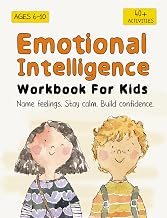
While toys build cognitive pathways, books build the soul. Integrating kids’ emotional intelligence books into your nightly routine is one of the most effective ways to teach empathy and self-regulation. These stories provide a safe container for children to discuss big feelings without the pressure of a real-world conflict. When reading, don’t just narrate the story—ask questions. ‘How do you think he felt when that happened?’ or ‘What would you do if you were in her shoes?’
Bridging the Gap with Structured Activity Kits
For parents juggling professional responsibilities and home life, consistency is often the biggest hurdle. Toddler development activity kits can be a lifesaver, offering pre-planned, age-appropriate challenges that require minimal setup but provide maximum engagement. These kits often act as a bridge, giving you a structured way to play that removes the ‘decision fatigue’ parents often face at the end of a long day.
Strategies for Long-Term Behavioral Success
Child behavior management tools should never be about control; they should be about connection. By utilizing visual schedules or positive reinforcement charts, you create a predictable environment where children feel secure. When a child feels safe and understood, ‘misbehavior’ often shifts into a request for connection. As you explore parenting guides for new parents, you’ll find that the most successful strategies focus on redirection and proactive communication rather than reactive discipline.
- Designate a ‘screen-free’ zone for family board games for bonding time.
- Create a ‘calm-down corner’ with sensory items for emotional regulation.
- Prioritize 15 minutes of uninterrupted, child-led play every single day.
- Incorporate daily rituals like gratitude journaling or shared reading.

Final Thoughts on Your Family Ecosystem
Creating a thriving home is a journey, not a destination. It is about small, consistent choices that communicate to your child: ‘I see you, I value you, and I am here with you.’ As you integrate these tools—be it through thoughtful toys, deep conversations, or intentional play—you are laying the foundation for a lifetime of resilience and connection.
Essential Tools for Your Family's Growth Toolkit