
It can seem like a big problem to move two children into one bedroom. When you welcome a new baby into an older child’s room, make space in an apartment or decide siblings should share, space fills up fast. With two beds, twice the clothes, school bags and a never-ending stream of toys, it’s easy for a shared bedroom to descend into chaos with regular conflicts over personal space.
But sharing a room is one of the most gratifying childhood experiences. Room sharing teaches youngsters empathy, negotiation and respect for another’s space. The answer to getting through every single day without tears is to plan well. With defined physical limits for a shared room, individual personal storage for each child and smart furniture that serves two purposes, the space is converted from a busy dorm to a warm, functional refuge that both kids appreciate.
The answer is smart room layout: leveraging the vertical height of the walls instead of spreading furniture out over the carpet, carving up discrete “zones” for sleeping and playing, and giving each child ownership of their own stuff.
Here’s a handy, no-nonsense guide to designing a shared bedroom for siblings, important ground rules for keeping the peace, and seven reliable, space-saving furniture and storage solutions from Amazon US to help you maximise every square inch.
Rules for Designing a Shared Bedroom for Siblings
Before you move the heavy beds or order the dressers, it helps to set some design limitations. To keep the room peaceful and organised and fair to both youngsters, keep these four basic rules in mind:
1. Give Each Child Their Own Space
Even the closest of siblings need a feeling of ownership. If you dump everything in the room in one giant communal pile, you will always be fighting over “who touched what.” Assign each youngster their own designated zone. This can be as simple as allowing each child to choose his own bedding pattern, dedicated bedside clip-on lights or having each brother have his own properly labelled dresser drawers and toy bins. Children feel safe and valued when they know they have a space that is theirs.
2. Multi-functional Furniture To Maximise Vertical Space
Furniture that has only one use takes up too much floor space in a shared area. A bed should never be just a bed, it should include built-in storage drawers underneath or a built-in bookshelf in the headboard. Opt for bunk beds, loft beds or high storage cabinets to take advantage of your vertical space, drawing the eye upwards and leaving floor space in the center for play and movement.
3. Separate Play Time from Sleeping Routines
Siblings could have varied bedtimes, especially if there’s a gap between a toddler and a school-aged youngster. It is important to design the room such that the sleeping space is distinct from the peaceful play or reading area. Create visual separation with low bookcases, sheer canopy drapes or open cubby dividers. This allows an older child to read in bed quietly with a modest reading light without waking a sleeping toddler awake.
4. Build Easy, Equitable Daily Storage Systems
If the cleanup method is overly complicated, the youngsters won’t stick with it. Don’t use shared deep toy boxes where everything gets mixed up and lost. Instead, use colour-coded bins or labelled baskets: one colour for the older child’s toys, one for the younger child’s and a neutral colour for shared objects like wooden building blocks. Clear visual ownership makes evening cleanup a breeze and prevents fights before they ever start.
Space-Saving Furniture & Storage Solutions for Shared Bedrooms
Here are seven durable, practical and well rated furniture and storage solutions on Amazon US that assist maximise floor space and keep shared sibling rooms organised.
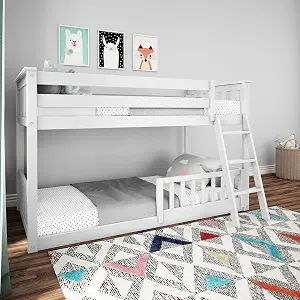
1. Max & Lily Twin Over Twin Low Bed
The Max & Lily Low Bunk Bed is a great alternative for shared rooms when one or both siblings are younger toddlers or preschoolers. This robust New Zealand pine bunk bed is just fifty inches high, keeping the top bunk close to the ground so parents may tuck in and comfort an older child without balancing on a high, shaky ladder.
The bottom bed is right on the flooring, so it is safe and easy for a toddler moving out of a cot with no possibility of rolling out of a high bed. The low profile vertical design provides ample headroom in spaces with regular or low ceilings. Built to last with 400 pounds of weight capability per sleeping surface, curved safety ladders and clean wood slats avoid the need for bulky box springs. The bunk bed delivers two secure sleeping surfaces within the footprint of a single twin bed.
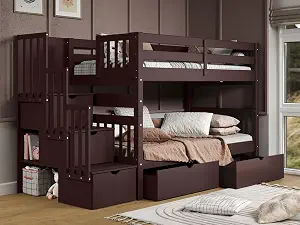
2. Bedz King Stairway Lofted Twin Bed With Drawers
If your shared room doesn’t have enough for two complete dressers, the Bedz King Stairway Bunk Bed addresses both sleeping and clothing storage with one solid piece of furniture. This robust Brazilian pine bunk has a wide, deep staircase with built-in side handrails rather than a tiny vertical ladder which makes it feel safe and sturdy to young kids going to the top bunk.
Built-in dressers directly inside the bed frame, with deep pull-out storage drawers on smooth glides tucked into the space beneath each stairway step. And at the base are two big under-bed roll-out drawers, for a total of five massive storage areas for folded clothes, spare blankets or chunky toys. The single unit construction allows for open walls that would otherwise be taken up by separate dressers.
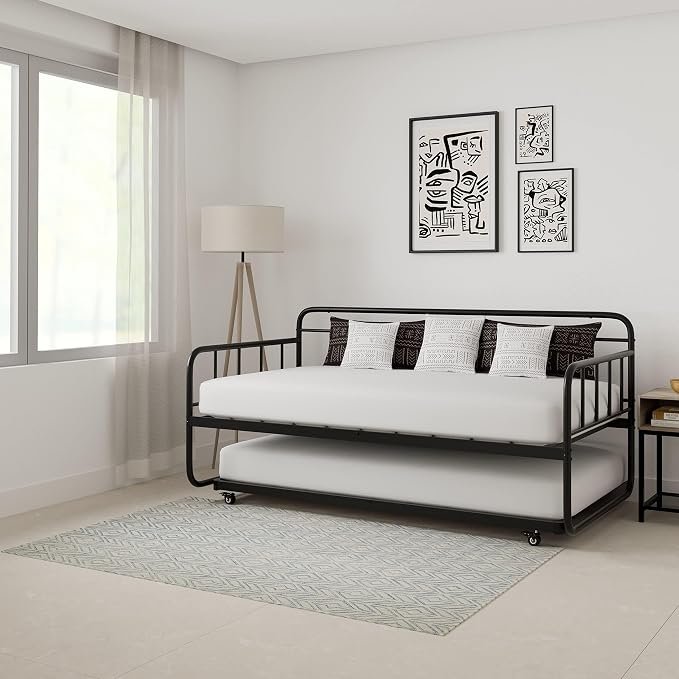
3. DHP Tokyo Metal Daybed with Trundle Roll Out
The DHP Tokyo Metal Daybed is an airy, open option for those with a small bedroom or low ceilings that make a top bunk unsafe. Styled with a curved metal frame that also functions as a comfortable sofa for daytime lounging, it sits flush against a single wall to keep the center of the space wide open.
Tucked under the main mattress is a roll-out aluminium trundle bed with smooth-gliding caster wheels that lock in place. During the day the trundle slides all the way under the daybed freeing up floor room for play time. It’s a terrific design for siblings who want space to move throughout the day and at nightfall you just draw out the trundle and you have a second comfortable sleeping place in seconds.
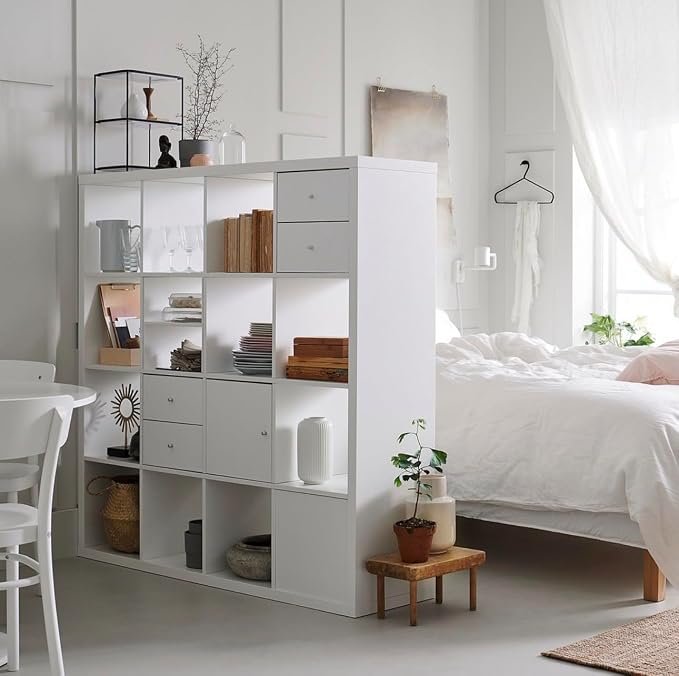
4. IKEA KALLAX Shelving Unit (As a Room Divider)
The IKEA KALLAX is a cult classic, multi-purpose storage necessity that pulls double duty in a shared sibling bedroom. The open-backed shelf is about thirty inches wide by fifty-eight inches tall in the eight-cube version and can be put at right angles to the wall between two beds to create a soft, low-profile room divider.
The cubby openings are totally open, so it gives physical privacy between siblings without blocking natural sunshine or making the bedroom feel dark and locked in. Each sibling has rows of their own cubes for books, personal keepsakes and display objects. Pair bottom cubes with colourful fabric insert bins to provide each youngster with a private catch-all for clothes and toys.
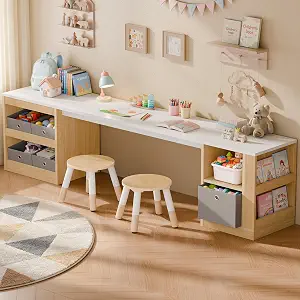
5. Boingg Dual Study Desk with Storage in the Middle
As kids get older and start elementary school, shared rooms need place for homework, colouring and craft projects. The Boingg Dual Study Desk gives two separate, adjoining work spaces, connected by a central vertical storage tower in a sleek rectangular design.
Central divider has open shelves and drawers to keep each child’s notebooks markers and materials totally separate so there are no elbow-bumping battles while studying. It has smooth laminate surfaces that wipe clean from marker markings and a strong construction for regular use. It provides both siblings with their own dedicated work surface, while taking up significantly less wall space than two separate desks.
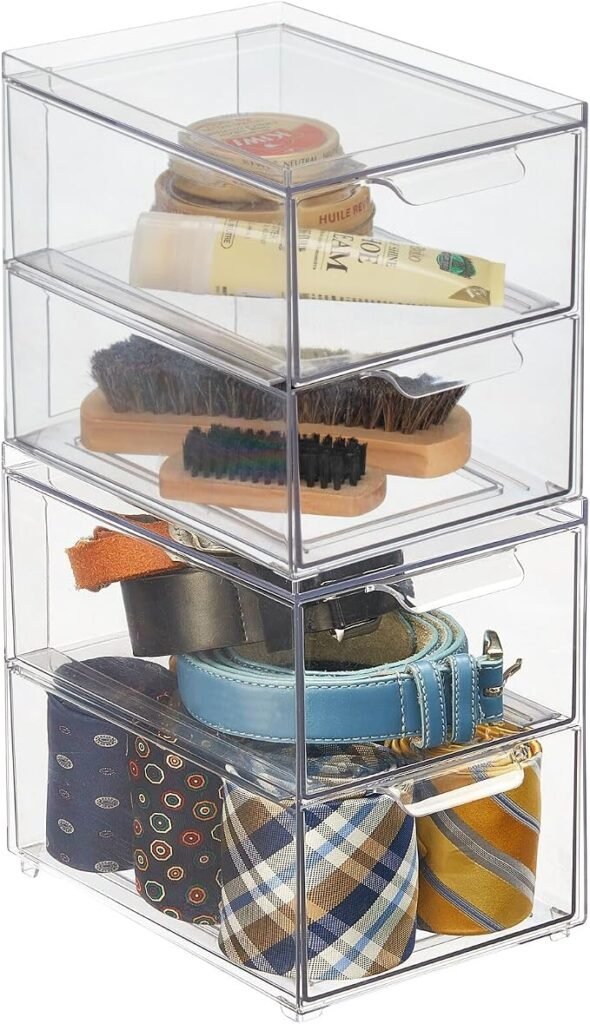
6. mDesign Stackable Fabric Closet Storage Drawers – 2 Pack
When two kids are sharing one bedroom closet, hanging space and shelf area are at a premium. mDesign Stackable Fabric Drawers are lightweight, structural storage boxes that stack safely on top of each other, turning empty closet floors or high shelves into modular dressers.
Breathable synthetic cloth makes up each drawer, which is lined with sturdy inner boards and has a front handle for easy pulling. The front windows are clear transparent so small kids can see if shirts, socks or pyjamas are inside without having to drag everything out onto the floor. Stack two or three of these units and you’ve got a vertical clothing column for each sibling in a shared closet.
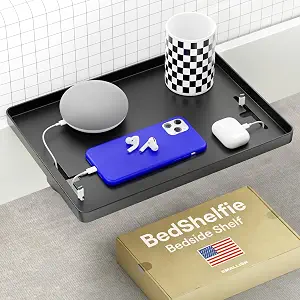
7. Bedside Shelf + Clip On Bedside Tray
In a room with bunk beds or twin beds that are close together, there is usually no space for two regular night stands. The Bedside Shelfie is a brilliant, space saving clamp on tray that latches firmly onto bed frame rails – no tools or wall screws required, instantly producing an elevated nightstand.
It’s built from tough, green bamboo, with slots to keep your charging cords neat and deep grooves around the edges to accommodate a water bottle, a set of glasses and a bedtime reading. For kids sleeping on the top or bottom bunk, they can have their own personal nightstand right next to their pillow, keeping drinks off the floor and nightlights within easy reach.
Creating Enduring Relationships in a Common Setting
Designing a shared bedroom for siblings is not about stuffing too much into too little space; it is an opportunity to create a pleasant, shared world where childhood memories are built. Vertical wall space with smart bunk beds may make a tiny room an organised, happy place by giving each child their own clearly delineated area and setting up easy storage solutions so both youngsters can manage.
Clear boundaries and respect while learning to share a room provide youngsters with important life skills like cooperation and patience and frequently result in a close, lifelong friendship.
Take some time this weekend to really look at the arrangement of your children’s room, declutter any unneeded items and try out a few smart space-saving elements to create a comfortable, practical room your children will love sharing.