
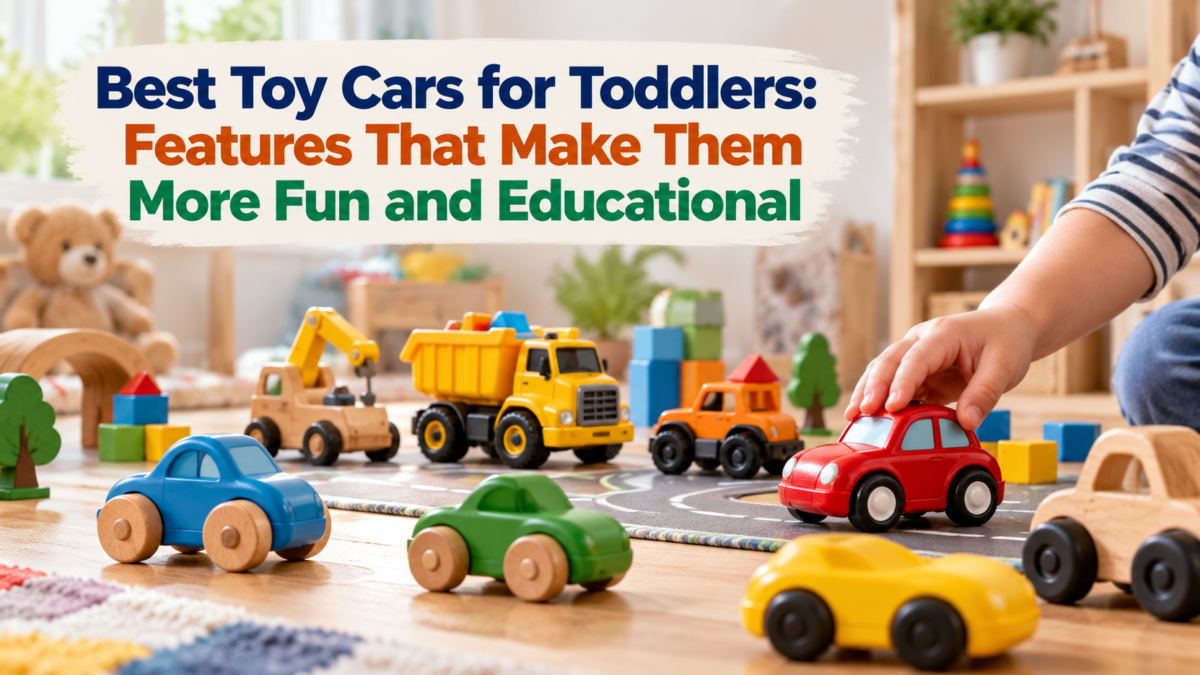
The rhythm of a toddler playing with a wheeled toy is hypnotic, mesmerizing. If you’ve watched a two-year-old push a wooden car across a living room rug, making low engine purrs, backing up with an exaggerated ‘beep, beep, beep’ and carefully navigating the contours of a couch cushion, you’ve witnessed the raw, unadulterated instinct of early kinetic exploration. Today’s marketplace is filled with motorized stunt cars that zoom in unpredictable patterns across the floor, flashing electronic light-up racers and remote-controlled gadgets that do the driving for the child. It’s easy to conclude that entertainment must have batteries, flashing lights and artificial sound effects. But these noisemakers tend to avoid the deep neurological, spatial and muscular involvement that a developing child really needs.
Parents looking for ways to channel this boundless enthusiasm for cars often find themselves confronted with the giant, plastic, primary-colored speedways and huge molded car garages that are an eyesore in the living room and out of sync with home decor. These products may promise to build gross motor skills but they often ruin the visual harmony of a room and they do not offer the subtle, graded proprioceptive and imaginative challenges a developing child needs to successfully learn cause-and-effect reasoning and fine-motor control.
At CozyParents we believe that a child’s playroom should be a haven for purposeful movement and independent imaginative mastery. Our philosophy is based on the concept of “intentional play” choosing durable, tactile, and well-designed materials that are respectful of both the child’s developing nervous system and the visual esthetic of the home. In this complete guide, we will talk about the complex developmental milestones supported by toddler toy cars, how to develop a low-friction play ecosystem, and review seven great vehicle products from Amazon US that honor your child’s growing body and preserve your home’s esthetic peace.
Developmental Foundations: The Ins and Outs of Driving Play
To appreciate the ongoing educational and therapeutic power of the toy car, we need to consider how a young brain and hand process physical motion, velocity and spatial relationships. Principles of pediatric occupational therapy and child development illustrate that pushing, pulling, and manipulating toy vehicles are not passive pastimes, but are instead dynamic, multi-sensory competencies that are grounded in visual tracking, bilateral coordination, and kinetic physics.
1. Eye-hand Coordination and Visual Tracking
When a toddler is chasing a rolling car across the floor, or driving it along an imagined highway, their eyes need to rapidly track moving objects across visual fields. This dynamic visual tracking is a basic prerequisite for future reading, writing and sports coordination. By pushing a car themselves, children learn to coordinate their visual perception with the exact motor output needed to control the force of their push, speed and direction of the car . This constant feedback loop trains the brain to calculate distance and speed, and spatial trajectories in real time.
2. Motion Physics, Momentum and Cause-and-Effect
The toy car is a child’s first physics laboratory. When pushing a heavy wooden car, as opposed to a lightweight metal or plastic car, toddlers have an instinctive grasp of mass, momentum and friction. They notice the hills change the speed They notice that if they push harder the vehicle goes faster . This experimental trial and error with cause and effect thinking fosters high-level cognitive flexibility. Kids learn that if they do something, it will have a physical consequence. There is logic to it. There is an internal locus of control. There is a confidence in their own ability to analyze things.
3. Symbolic Narrative Construction of Social Empathy
Between 18 months and 3 years children transition from simple sensorimotor manipulation to symbolic, imaginative play. Rarely is a toy car just a toy car; it is a delivery truck driven by a friendly animal, an ambulance rushing to help a stuffed bear or a family car on a road trip. By assigning these vehicles real world roles, toddlers are able to process their observations of the adult world, practice emotional self-regulation and explore complex narratives. This creative narrative development expands vocabulary, fosters social empathy and offers a healthy way to express emotions.
Product Roundup
Choosing toy cars that can smoothly adapt to a child’s increasing physical and mental ability demands an emphasis on longevity, natural non-toxic materials and minimalist design.

1. PlanToys Push & Pull Vehicle – Solid Wood
Description: A sustainably made rubberwood vehicle with smooth rounded edges, easy-to-grip cutouts and non-toxic water-based organic dyes for early manual propulsion.
Benefits: This classic wooden car takes the guesswork out of safe play by matching perfectly with an infant or young toddler’s grasp. The nursery esthetic is based on the natural rubberwood construction while the smooth, seamless design makes it impossible for dirt to get caught in hidden crevices so cleaning with a wipe is effortless.
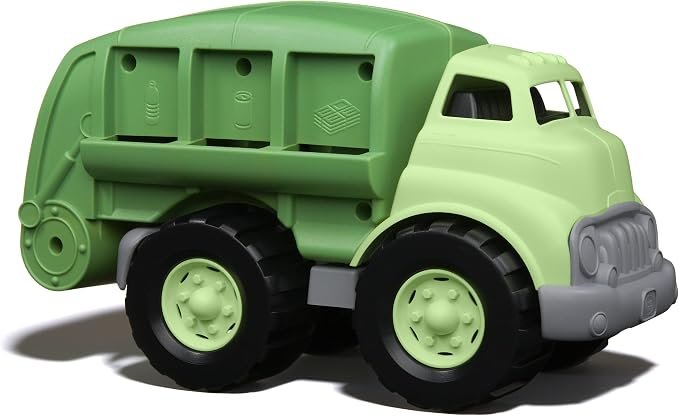
Description: Made from 100% recycled food-grade plastic milk jugs, and with no metal axles, screws or external coatings, this classic American muscle car is a solid, weatherproof option for indoor and outdoor racing.
Benefits: This solid plastic vehicle is pure and easy to sterilize, with no complex moving parts or hollow cavities to encourage mold growth. It has no metal parts so it will never rust and is a great companion to sandbox play or water-table tracks. It is so light that even a twelve-month-old baby can hold it and push it on their own.
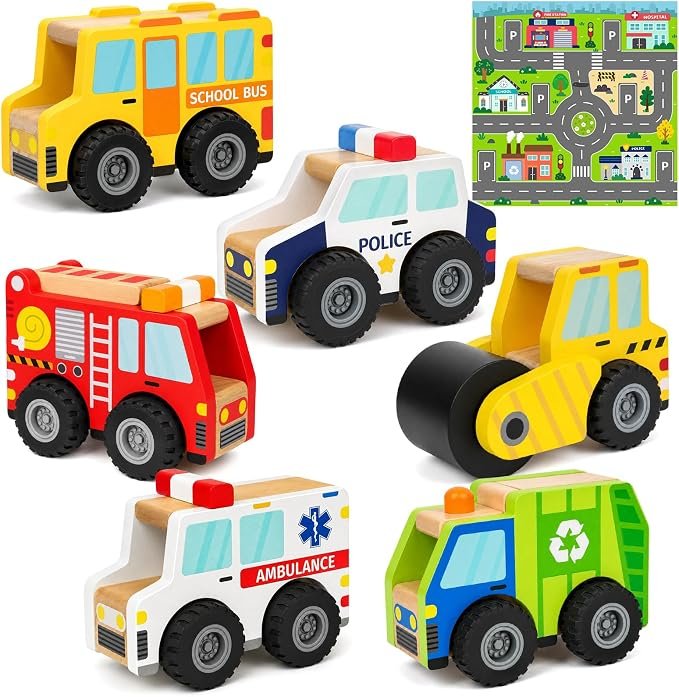
3. 6 Pcs Wooden Push and Go Car Toys for Toddlers Kids Vehicle Playset
Description: Entirely made of solid linden wood, colored with non-toxic, water-based color stains to allow the natural wood grain to show through, no synthetic lacquers.
Benefits: The seamless, minimalist silhouette is a triumph of open ended design. Zero doors to snap off. Zero wheels to detach. The gentle velvety natural wood texture provides a grounding tactile experience and the simple geometric shape encourages children to use the cars in block cities, rainbow tracks or imaginary small-world set-ups.
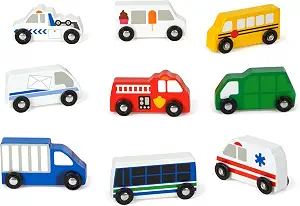
4. Melissa & Doug Wooden Garage and Cars Play Set
Description: Small wooden parking garage with color coded parking spots, numbered doors with working keys and 4 brightly colored wooden cars that fit in there nicely.
Benefits: This two-in-one design has two different play elements for children: vehicle movement and fine motor manipulation of locks. The wooden keys encourage finger isolation and problem-solving, and the integrated carrying handle lets parents neatly pack away the garage, keeping floor clutter at bay.
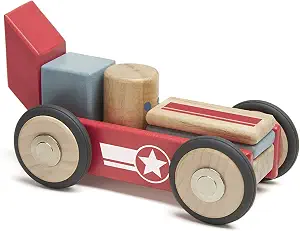
5. Tegu Magnetic Wooden Race Car
A sleek wooden race car made from sustainably harvested hardwoods and safe internal magnets so kids can snap the chassis pieces apart and reassemble them in creative configurations.
Benefits: Great for younger toddlers who enjoy figuring out how things fit together. The magnetic connection feels very satisfying to the touch and gives a distinct “click” that rewards fine motor effort. The top wooden body wipes clean easily and its modular design grows with the child into the preschool years.
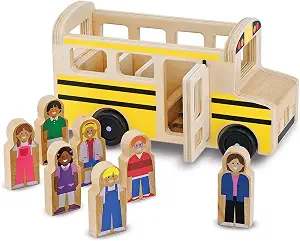
Description: Handcrafted from solid linden wood, hand-sanded to a silky finish, and finished with natural flaxseed oil only, without chemical paints or synthetic varnishes.
Benefits: This is an heirloom-quality vehicle, free of artificial finishes, plastics and chemical treatments. Hardwood has natural anti-bacterial properties, which means it is a very hygienic choice when well looked after. However, its warm, organic grain provides a grounding sensory connection for the infant and is consistent with the minimalist esthetic of the home.
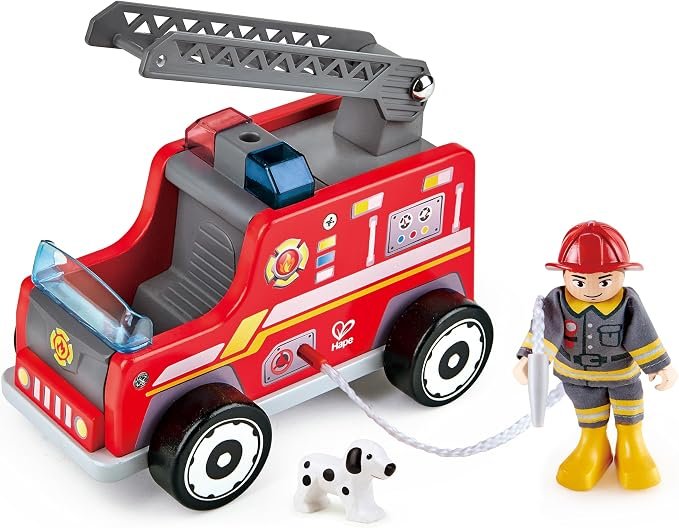
Description: Tough and non-toxic wooden rescue vehicle set with smooth wooden dowels and rubber trimmed wheels for quiet rolling indoors. Simple and sturdy chassis designs.
Pros: Has moving wheels but the tires are rubber-trimmed to remove the high-pitched rattling and scratching that is common on hardwood floors, so it keeps playtime peaceful for the household. It stimulates active pushing, chasing and storytelling, making a simple vehicle session a fascinating trip through community helpers.
Practical Advice Building a low-friction vehicle ecosystem
Collecting toy cars is just one part of the story, the real challenge is how you manage, store and incorporate them into your living space to make the cleanliness and tranquility of your home a reality.
1. The Approach to the Low Shelf Parking Lot
Store your child’s toy cars in a shallow open wooden tray, or a low-profile canvas basket at the child’s eye level, or paint simple “parking stalls” on a low wooden shelf. When vehicles are visible and accessible without adult intervention, infants and toddlers can independently choose their play materials when inspiration strikes. This encourages individual autonomy and turns tidying into an intuitive game rather than a chore.
2. Floor Guards and Rubber-Trimmed Wheels
Hard, unyielding plastics or exposed metal pins on wheels can take a heavy toll on hardwood floors from active car play. Whenever possible, choose vehicles with rubber-rimmed wheels or solid wood construction. This not only protects your flooring from scuffs and scratches but also greatly reduces the ambient clatter and preserves the acoustic calm of your living space.
3. Choose the Open-Ended Track Integration
Don’t buy rigid plastic race tracks that are difficult to assemble and easily break. Instead, use open-ended materials: a large silk play cloth to represent a winding river road, wooden blocks for city streets or painters tape to create temporary peel-and-reveal highways on a low play table. This encourages creative flexibility and leaves the floor of your playroom free of permanent plastic structures.
Comparison: Premium Intentional Toy Cars vs. Mass-Market Toy Cars
Parents shopping for toddler toy vehicles usually face the dilemma of opting for either a mass-market plastic product or a high-grade sustainable option. When we examine these choices more closely in certain areas, we see why intentional gear is a good investment for your family.
Durability is also addressed with premium sustainable wooden cars, 100% recycled plastics and solid natural rubber options made to hold up to rigorous pushing, crashing and daily handling without degrading. Cheap mass-market plastic cars, in contrast, tend to have fragile glued plastic mirrors, brittle axles that break easily, and peeling paint that flakes into a child’s environment.
Intentional vehicles are designed with minimalist spatial harmony in mind, from the perspective of functional storage and home integration neutral tones, organic wood textures, compact profiles that sit gracefully in small decorative baskets, not massive plastic track systems. Cheap plastic substitutes in garish neon colors and bulky, clunky playsets create unavoidable visual chaos in the home.
Premium vehicles are constructed with non-toxic finishes, integrated one-piece molding and smooth edges that are ergonomically and safety-wise, gentle on an infant’s developing immune system and delicate skin. Cheap knock-offs may contain untested chemical softeners, sharp exposed metal axles or small detachable parts that could be choking hazards.
From a sensory perspective, natural wood, organic finishes and matte plastics provide grounding, organic textures and neutral scent profiles that soothe an over-stimulated infant. Plastic novelty cars, most of which have slick surfaces, often have noisy, high-pitched electronic sound buttons or artificial chemical smells that can be upsetting to a young child.
Finally, the developmental and therapeutic value of purpose-built toy cars is often open-ended, transitioning from a simple push-and-roll object for a twelve-month-old to being a vital part of complex imaginative small-world engineering as the child grows. Cheap novelty cars have pre-programmed gimmicks that offer a momentary distraction before the child loses interest and discards them.
The Lasting Benefit of Intentional Play
Deciding on toy cars for your toddler is an act of profound psychological and environmental responsibility. Choosing items that are respectful of your infant’s physical needs and safety offers them the exact tools they need to navigate spatial development and kinetic discovery with confidence, curiosity and calm all without the disruptive noise of modern commercialism.
At CozyParents, we believe that every item in your home should have a purpose, support growth or spark a moment of peace. By intentionally selecting a sustainable collection of developmental tools, you are doing more than filling a playroom; you are showing your child how to find focus and joy in natural, intentional objects.
Head back to CozyParents for more minimalist parenting tips, expert-backed gear roundups, and intentional strategies to bring peace back to your family’s daily rhythm. Are you using a natural storage system for your child’s vehicles right now or are you putting your nursery together this week? We’d love to hear how you create peaceful, intentional spaces for your growing family in the comments!