

Cultivating the Ecosystem: Why Intentional Bonding Matters
In the fast-paced environment of 2026, the parent-child ecosystem often feels fragmented by digital distractions and rigid schedules. However, research consistently shows that the foundation of a child’s success—both academically and emotionally—rests on the quality of their daily interactions with caregivers. Building a thriving ecosystem isn’t about being a perfect parent; it’s about being present and intentional.
By integrating educational play and mindful communication into your family life, you can foster a secure attachment that empowers your child to explore the world with confidence.

The Role of Purposeful Play in Toddler Development
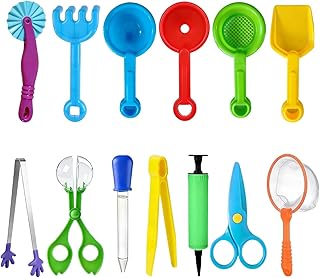
Toddlers are naturally curious scientists, and the toys they interact with dictate the scope of their development. Rather than overwhelming your home with plastic clutter, focus on Montessori learning toys for kids that emphasize open-ended play. These tools encourage problem-solving and focus, which are critical precursors to formal learning.
Choosing Toys That Grow With Them
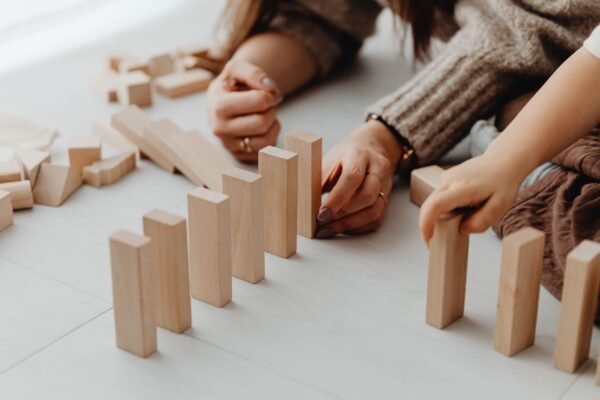
When selecting educational toys for toddlers, prioritize items that offer multiple uses. A set of wooden building blocks is significantly more valuable than an electronic toy that only does one thing. These simple tools allow children to explore physics, architecture, and creativity simultaneously.

Bridging the Gap: Games for Emotional Intelligence
As children grow, their capacity to identify and process emotions expands. Using kids’ emotional intelligence books during your daily reading time is an excellent way to provide them with the vocabulary they need to express themselves. When children can name their feelings, they are much less likely to resort to behavioral outbursts.
Family Board Games for Bonding Time
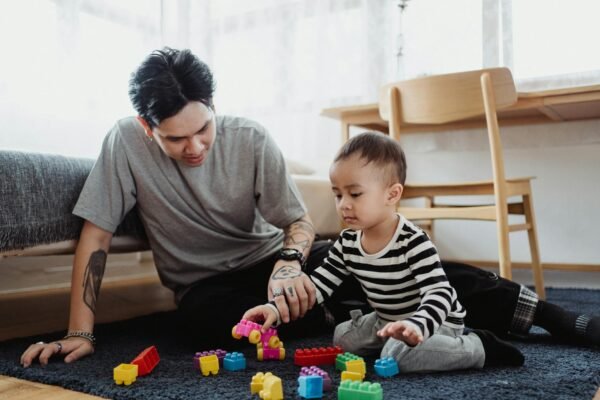
Connection doesn’t always have to be academic. Sometimes, the most powerful bonding happens over a simple board game. Family board games for bonding time provide a structured way to practice turn-taking, patience, and healthy competition in a low-stakes environment. It’s during these moments—laughing over a game move or working together to win—that you build the ‘relational bank account’ that sustains your family through the tougher years.
Setting Up Your Home for Success
Creating an environment that supports independence is a hallmark of the Montessori philosophy. This involves arranging your home so that your child has access to age-appropriate tasks. Whether it is a kitchen stool for helping with meal prep or a designated ‘calm-down’ corner filled with sensory tools, these child behavior management tools are not about control; they are about empowerment.
Resources for the Modern Parent
Never underestimate the power of expert guidance. The best parenting books for child development act as a sounding board, reminding us that every phase is temporary and that our primary job is to be a stable anchor. By leaning into parenting guides for new parents and seasoned guardians alike, you can refine your approach and ensure your ecosystem remains healthy and vibrant.

Top Recommended Tools for Your Growing Family Ecosystem