
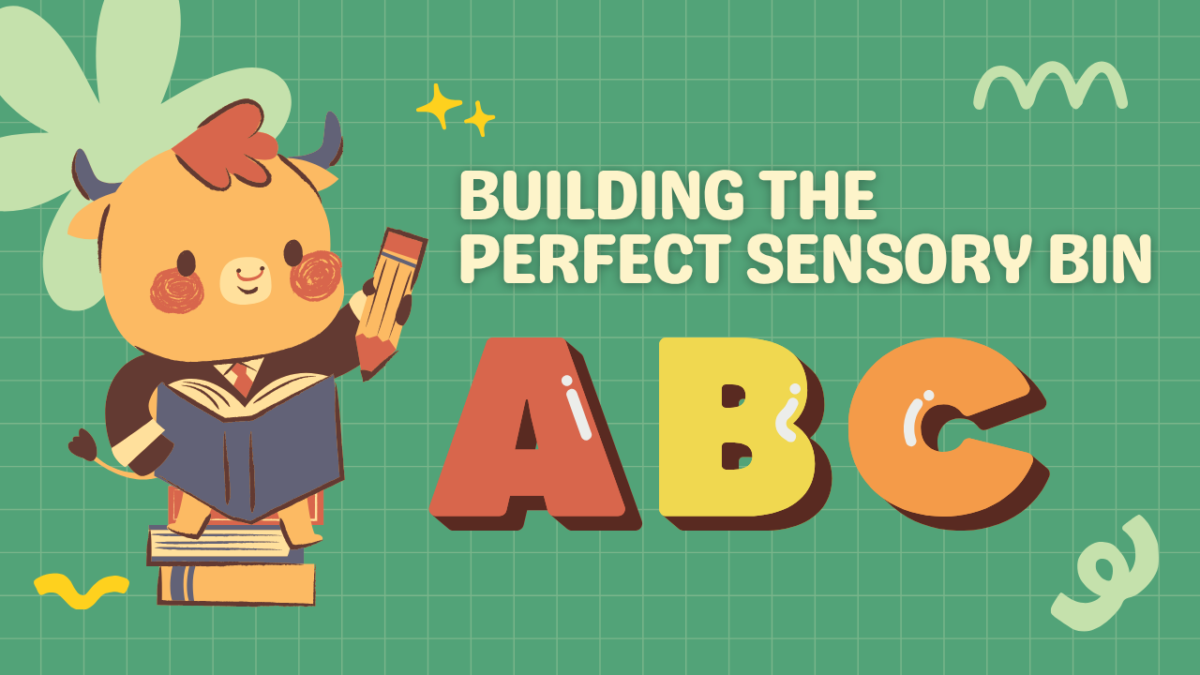
Step into nearly any modern early childhood school and you will probably see a bunch of children gathered around a large container of dry beans, colored rice or water. They dig and pour and bury their hands and sift material through their fingers with a ferocity that looks like pure sorcery.
This is not simply something to do on a gloomy afternoon. Sensory bins are the tiny high-performance labs for the developing brain in infant development.
As babies, the brain is just experiencing the physical surroundings as raw sensory input. Kids, by playing with different textures, by listening to dry spaghetti hitting a plastic cup, by watching objects move down a funnel, create neuronal circuits.
Sensory play may alleviate emotions, hone fine motor abilities and introduce basic math and science concepts through touch alone.
We understand it, the idea of installing a sensory bin at home can bring on a wave of parental cleanup anxiety. We picture spilled dried rice on the carpet, beans slipping under the refrigerator.
But with a few intentional design adjustments and explicit limits, sensory play may be a low-stress, high-value staple of your weekly routine. If you want to build a calm, loving home ecosystem without the overburden, Cozy Parents is here to assist you become plugged into practical frameworks for real, busy families.
The Mess The Playroom Friction Safety Wall
Before we get to the raw ingredients, it helps to understand why so many parents give up on sensory play after their very first attempt.
Burnout cleanup
If the sensory container is too shallow or in the wrong place, items are bound to spill out. A parent cleans up microscopic grains of rice for 40 minutes after 15 minutes of child play. The activity leads to parental burnout instead of family serenity.
The Choking & Mouthing Phase
Toddlers are biologically programmed to mouth objects. Introducing small non-edible items into a play area before your child has reached the intensive mouthing period is an unnecessary safety risk and a frequent source of parental anxiety.
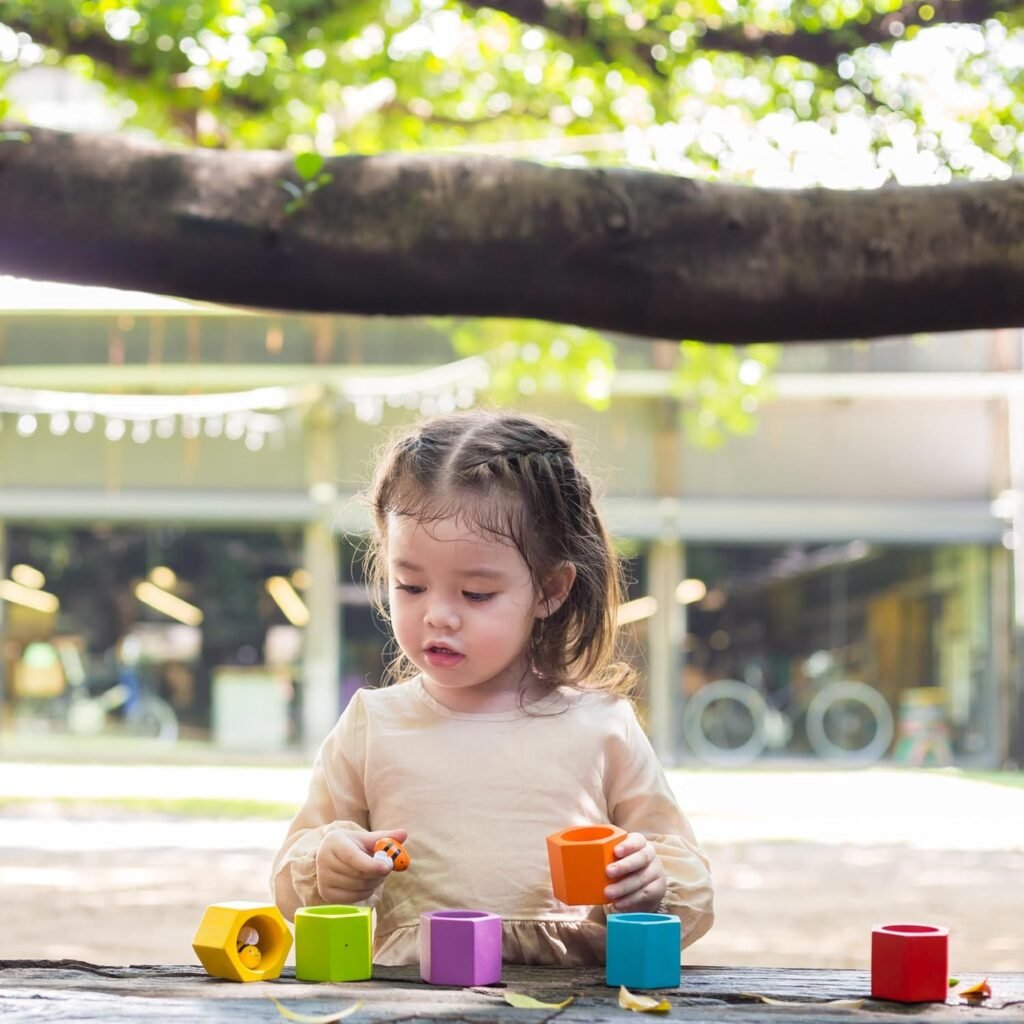
Step by Step Your Sensory Bin Blueprint
Step 1 – Select a Structural Base
Forget expensive customized tables. The best sensory bin is a large, shallow plastic storage tub with a locking lid, 28 to 41 quarts. A low, wide container allows your infant to reach in freely and sit on the floor, yet the materials are within a defined boundary.
Step 2 – The safety buffer
Don’t place a sensory container directly on the floor (bare or carpeted). Put a big washable play mat, old bedsheet or plastic tablecloth underneath the complete setup. When it’s time to put playtime away, simply grab the corners of the sheet and shake any stray debris back into the tub.
Step 3 – Define the Household Boundaries
Now, before you open up the container, create two simple, unbreakable rules. The filler stays in the box, the tools stay in the box. If your child purposely dumps stuff on the floor, quietly close the lid and say, “Looks like you are done scooping for today. We’ll try again tomorrow.” It takes a week to create consistent playing habits.
Step 4 – Keep It Low Prep and Easy
The point is not to make it too complicated here. You don’t have to go in for fancy layouts or rainbow-colored rice to delight a toddler. A single, solid texture and 3 simple kitchen items create a complex sensory world which keeps their attention span concentrated for lengthy durations.
If you want to learn more about creating these meaningful play spaces and setting appropriate behavior limits without yelling, check out the family guidance sections over at Cozy Parents for a clear stress free way forward.
The Three Elements of a Valuable Sensory Setup
Each sensory encounter needs to be personalized with three deliberate layers so that your child can achieve developmental milestones as best as possible while you are entirely at rest.
Layer 1: The Filler’s Development
Always choose a filler that is suitable for your child’s stage of development. For smaller babies still in the tongue exploration stage, try all taste safe things such as rolled oats, dry cheerios, chia seed slime or plain water.
You can move on to dry black beans, green lentils, aquarium gravel or kinetic sand for older babies who have ceased mouthing.
Layer 2: The Tools of the Trade
Fine motor workout depends on the tools you add. Provide them with tools that they can use with their hands, not toys that do things for them.
Kitchen tongs, measuring spoons, funnels, little silicone cups and medication droppers encourage the hand muscles to adapt, producing the perfect pincer grasp and bilateral hand coordination required for school readiness.
Layer 3: Vocabulary Drivers
Sensory bins are a fabulous language learning tool. A few genuine figures, cards that match or secret objects tucked inside the filler make for a convincing story environment.
Use descriptive adjectives such as gritty, smooth, dense, heavy or concealed as your child explores and discovers to imprint rich vocabulary deep into their memory. For plenty of ideas on creating language-rich routines with low-prep sensory play, check out the extensive activity databases at Cozy Parents.
Products Recommended for Parents
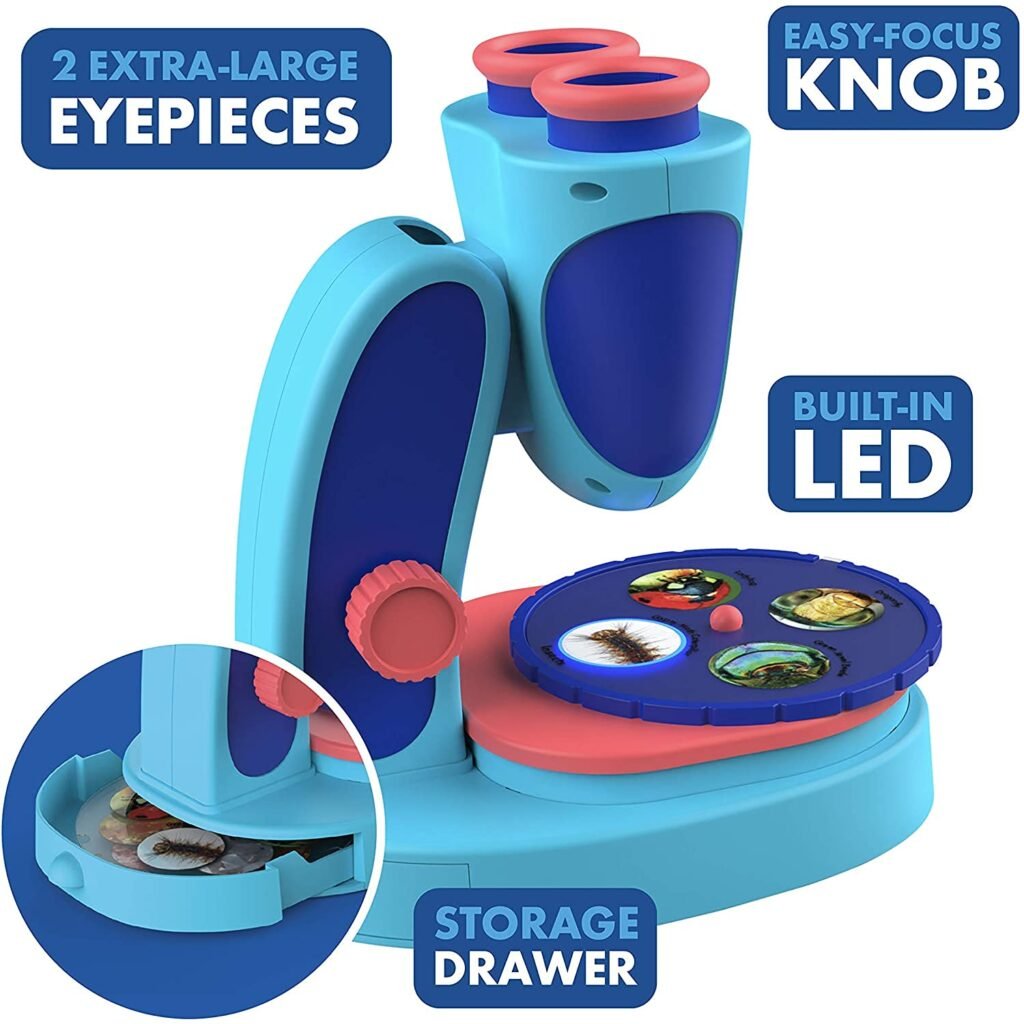
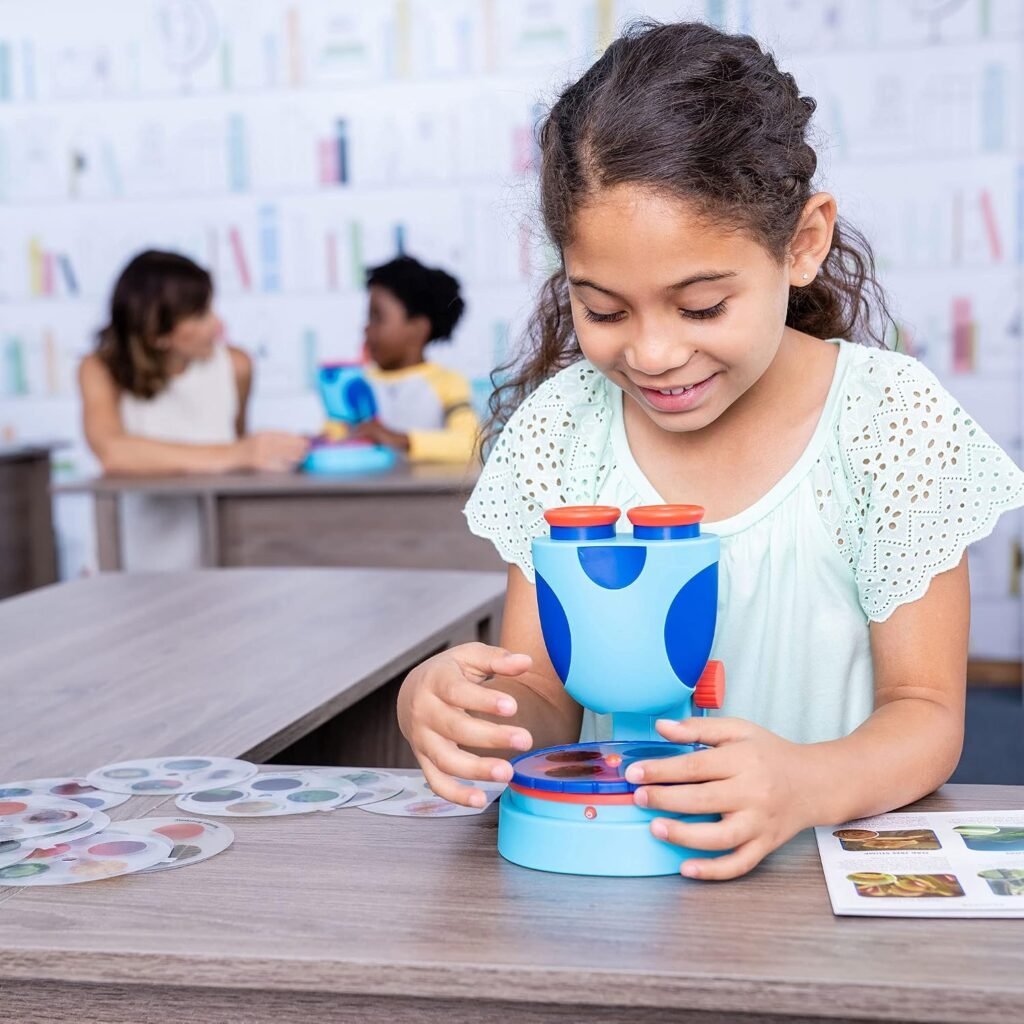
Educational Insights GeoSafari Jr. Kidscope
This sturdy, child-safe microscope contains a rotating tray and a soft double eyepiece so you don’t have to close one eye. This is an awesome add-on for a sensory bin, allowing older toddlers and preschoolers to examine dry seeds, grains of sand or fabrics up close under magnification to see intricate textures and structures.
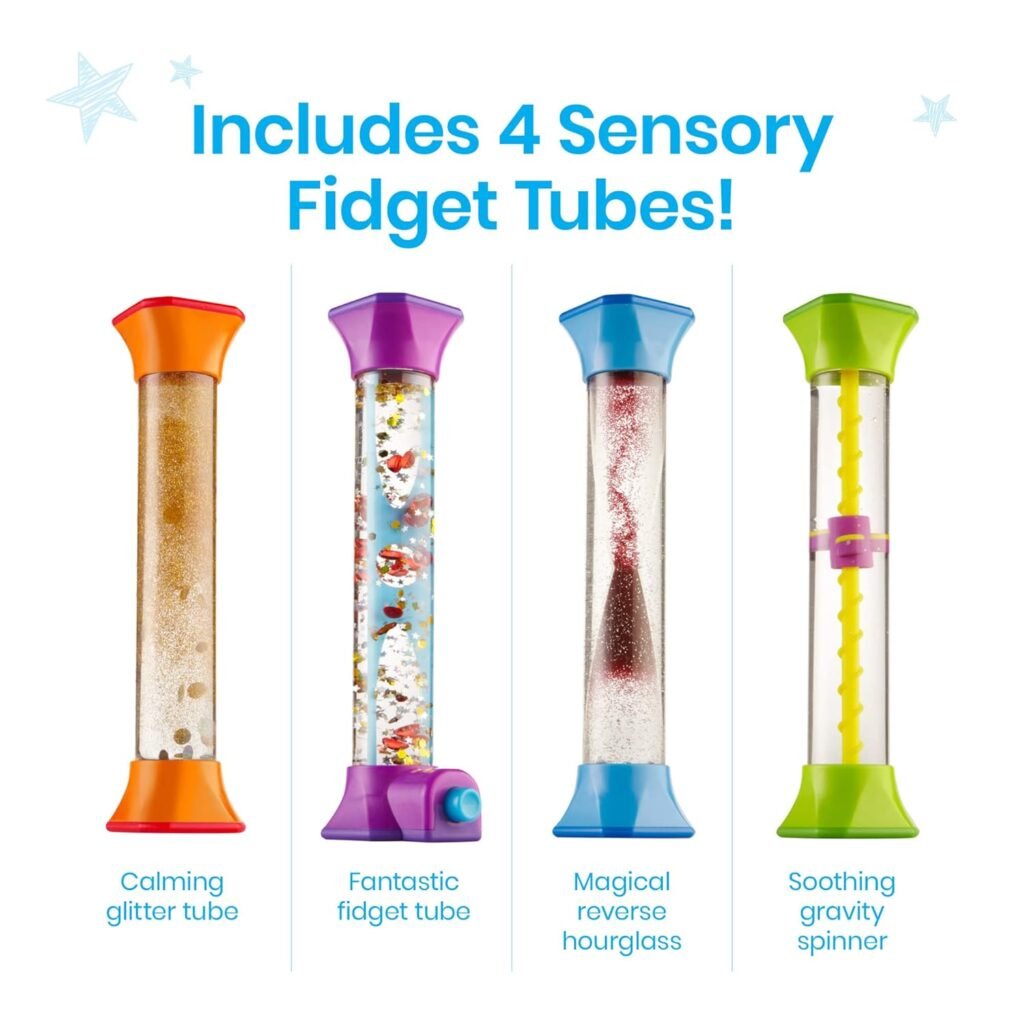
Hand2mind Sensory Fidget Tubes Set
Four fully sealed transparent tubes with different inner liquids, glitter pathways and mechanical tracking mechanisms. For those families who fret about loose mess or younger toddlers who are still in the acute mouthing phase, these tubes offer a 100% mess-free, self-contained sensory experience that immediately grounds a frenzied nervous system.
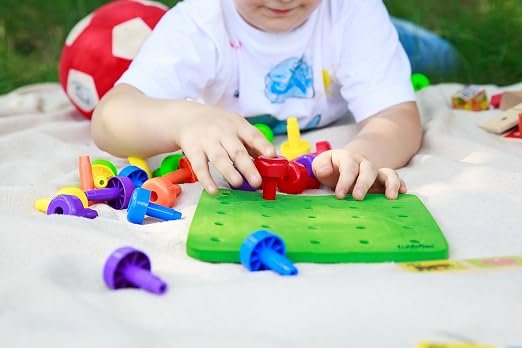
Battat Sorting Pegs and Pegboard Set.
This is a colorful geometric exercise with a thick foam grid board and large plastic pegs that are easy to grasp and also function as stacking pillars. It introduces early counting, color classification and spatial mapping patterns, transforming a simple fine motor grip exercise into a sophisticated cognitive and mathematical problem-solving exercise.
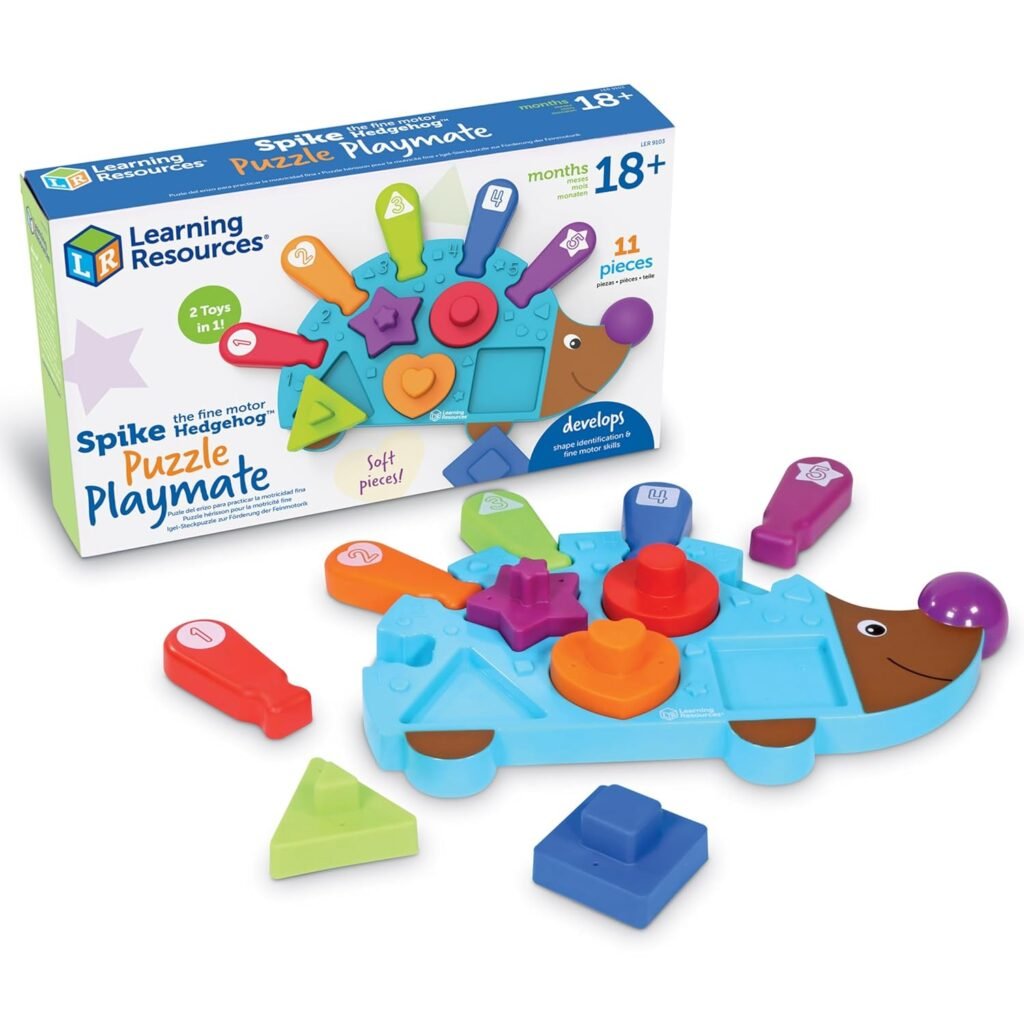
Fine Motor Hedgehog Puzzle Learning Resources Spike
A sophisticated new take on the iconic hedgehog toy, incorporating interlocking numeric body parts and hidden geometric forms behind the pegs. Inside a dry bean or rice sensory bin, these numbered pieces provide another element of hide-and-seek with structure as toddlers practice numerical order and spatial reassembly.
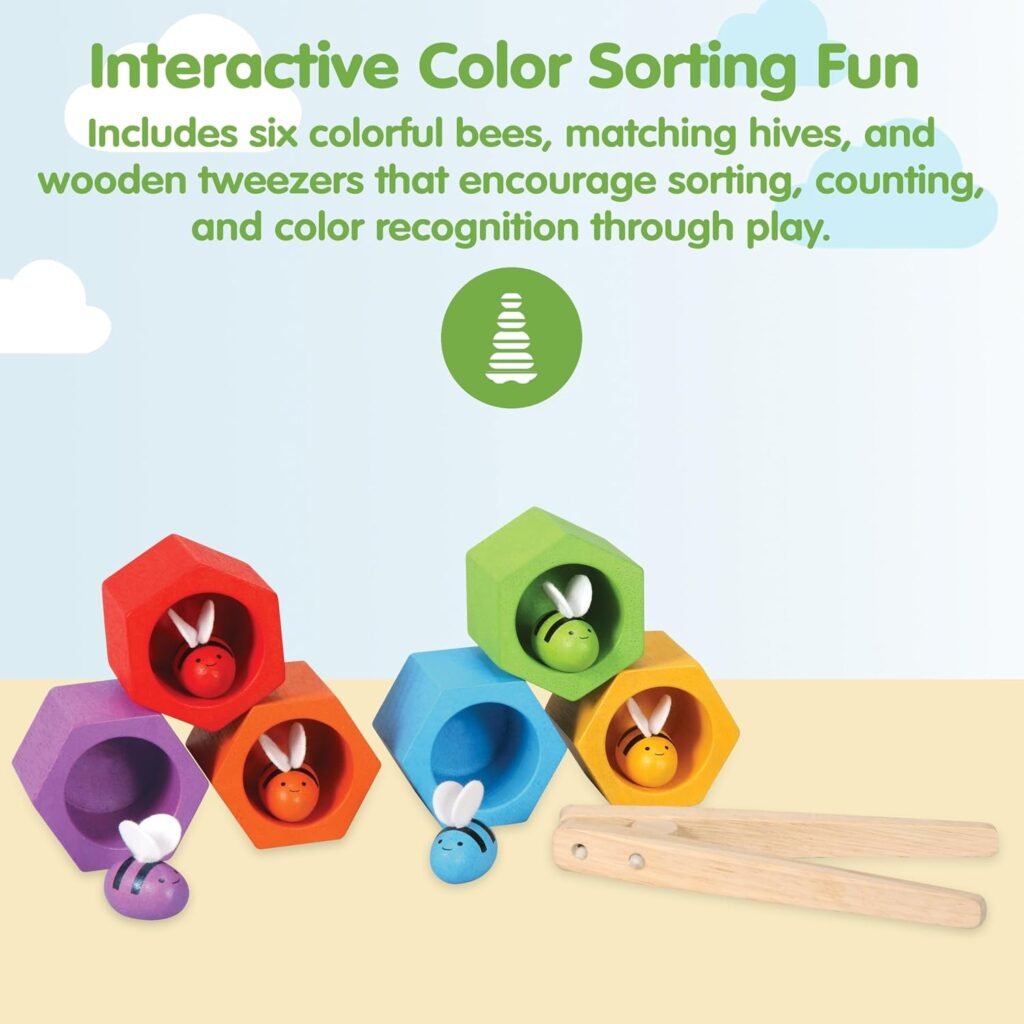
PlanToys Matching Game Beehives Wood
Made from sustainable, eco-friendly rubberwood, this lovely sorting game invites children to use a pair of wooden pincer tongs to pick up and match coloured bees to their matching hives. A top-notch instrument for developing mature pencil grips, thumb-forefinger isolation and high-level color classification inside any tactile play zone.
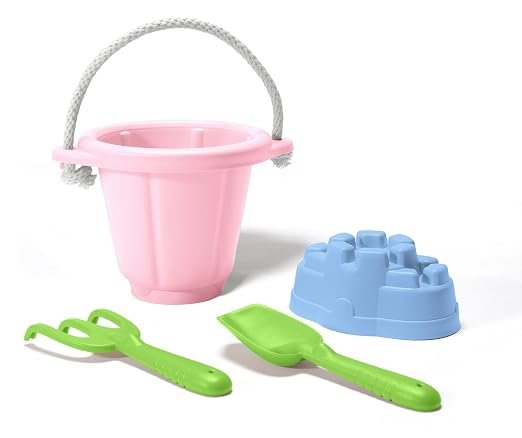
Green Toys Sand Play Set
This super-durable outdoor equipment is 100% made in the USA from 100% recycled plastic milk containers and comes with a bucket, spade, rake and star-shaped sand mold. It has little chance of rusting, chipping paint or breaking and offers a dependable, easy-to-sanitize structure for intense wet sand, mud or water-based backyard adventures.
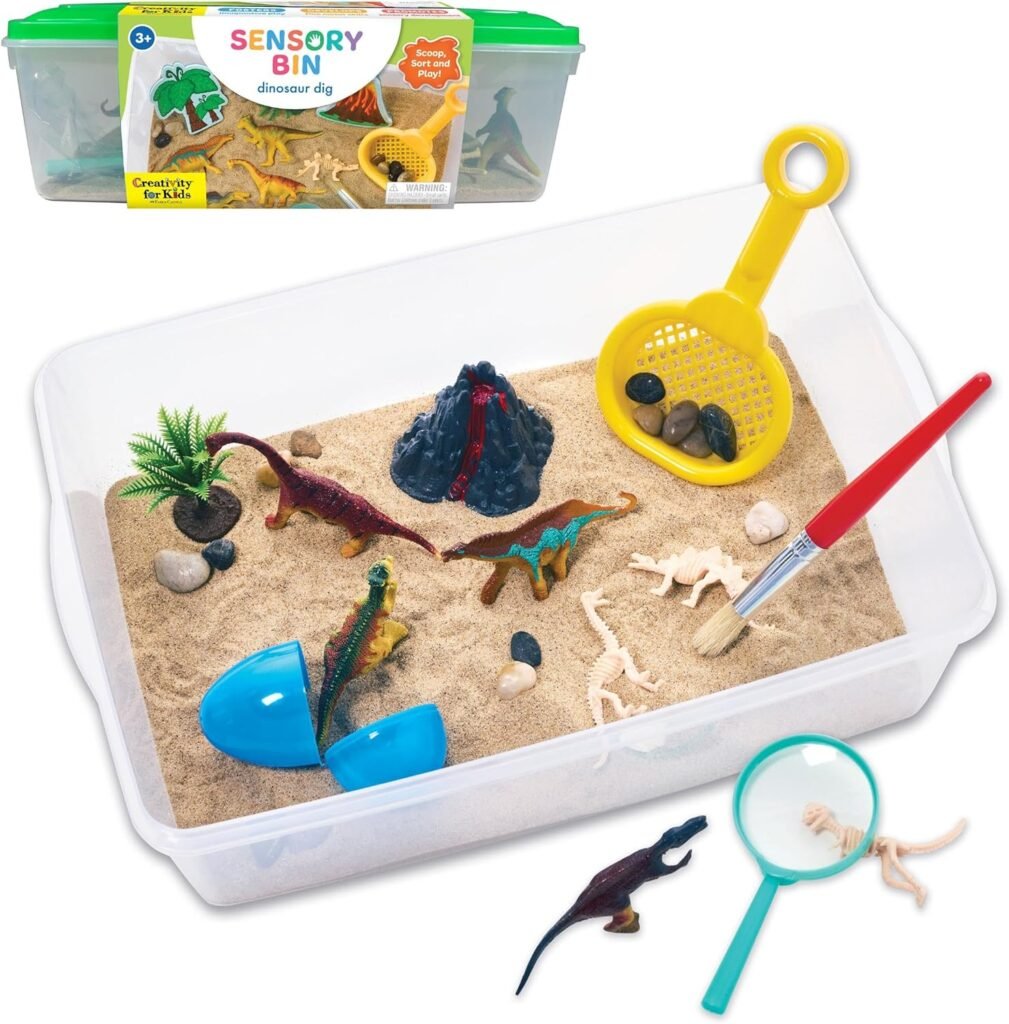
Dinosaur Dig Creativity Sensory Bin for Kids
A premium all-in-one themed discovery bin that comes pre-packed with colored sensory sand, authentic fossil molds, dinosaur figures and a tiny scooper. It’s a perfectly balanced, low-prep introduction to dramatic acting, tactile filtering and narrative storytelling that keeps children engaged in focused play for hours.
Bin Maintenance & Safety Summary
Here’s a quick checklist to keep your sensory play routine safe, organized and going smoothly week after week:
Age Check: Taste safe fillers (oats, cereals) till all mouth stuffing is done.
Supervision: Always have direct active adult supervision when small objects or water are available.
Storage: A nice, high novelty reward is to store your containers in a closed, lockable closet.
Hygiene: All food fillers which are in contact with moisture or water should be removed immediately to prevent the growth of mould.
The Unspoken Benefit of Touch Play
You don’t need a Pinterest-worthy set up or a separate playroom to offer your child the immense benefits of sensory integration. Once you overcome the fear of clutter and focus on a controlled, intentional arrangement, you can unlock hours of focused independent work and cognitive growth right on your living room floor.
You don’t have to make these early milestone decisions by yourself. Visit Cozy Parents as your digital village for an ongoing stream of expert newborn care advice, lifestyle tips and helpful child development information.
Lay out the sheet, pour in the oats and hand over the scoop and watch with sheer joy as your little scientist goes into a lovely, focussed state of amazement.