

The Science of Connection in Parenting
In 2026, the landscape of parenting is shifting toward a more intentional, connection-first approach. Rather than focusing solely on academic milestones, forward-thinking parents are prioritizing the emotional foundation of their children. Research shows that emotional intelligence (EQ) is the single greatest predictor of long-term success, and it begins in the living room through shared experiences.
Why Intentional Play Matters
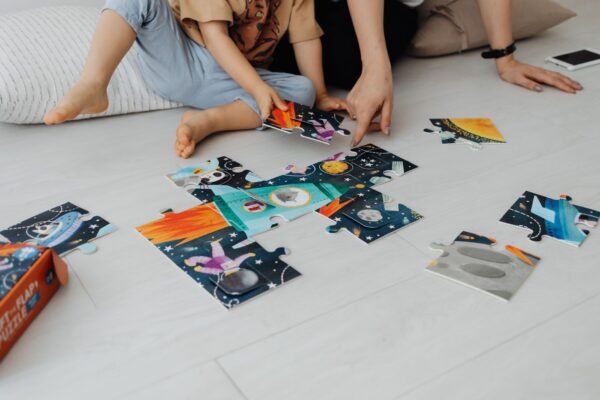
Play is the language of childhood. When you engage in purposeful activities, you are not just keeping your child occupied; you are building neural pathways. Whether you are working on self-regulation or motor skills, the quality of your interaction matters more than the duration. By selecting tools that encourage open-ended thinking, you transform your home into a laboratory for human development.

Integrating Montessori Principles
Montessori learning is often misunderstood as simply having wooden toys. In reality, it is about creating an environment that fosters independence and agency. For toddlers, this means accessible storage, child-sized tools, and materials that have a clear purpose. When a child can navigate their environment without constant intervention, their confidence—and their EQ—soars.
Curating Your Emotional Intelligence Toolkit
Building an emotionally intelligent child requires a mix of literary guidance and physical play. Reading is one of the most effective ways to introduce complex feelings like frustration, empathy, and joy in a safe, low-stakes environment. Pair these stories with physical activities that require turn-taking and cooperation to solidify the lessons learned on the page.

Behavior Management Without the Power Struggle
Child behavior management is often the biggest pain point for modern parents. Instead of relying on traditional reward-punishment systems, consider using tools that focus on co-regulation. Visual timers, emotion-identification cards, and sensory-soothing kits can help children identify their physiological state before a meltdown occurs. Remember, a child who feels understood is a child who is more willing to cooperate.
- Use descriptive praise: Instead of saying “good job,” describe what they did (e.g., “You worked really hard on that tower”).
- Rotate your toys: Keep a small selection of educational toys available to prevent sensory overload and encourage deeper focus.
- Prioritize family game nights: Choose games that emphasize teamwork over winning to build collaborative social skills.
- Establish rituals: Consistent morning or bedtime routines provide the security children need to take risks during the day.

Building Your Ecosystem for the Long Term
Parenting is a marathon, not a sprint. As your child grows, your resources should evolve with them. By investing in high-quality materials and books that challenge their perspective, you are laying the groundwork for a lifetime of resilience. Don’t feel pressured to buy everything at once; start with a few foundational pieces that align with your family’s values and build your ecosystem intentionally over time.
Top Recommended Resources for the Conscious Parent