

Cultivating the Parent-Child Ecosystem
In the fast-paced landscape of modern parenting, the concept of a ‘parent-child ecosystem’ is more relevant than ever. It is not just about keeping children fed and scheduled; it is about creating an environment where emotional intelligence and cognitive development flourish side-by-side. As we navigate the complexities of 2026, parents are increasingly looking for ways to replace passive screen time with high-quality, intentional interaction that leaves a lasting impact on a child’s development.
Building this ecosystem requires a blend of patience, the right resources, and a shift in perspective. By integrating child behavior management tools and Montessori-inspired learning into your daily life, you create a home that values curiosity and emotional regulation as much as academic success.

The Power of Intentional Play
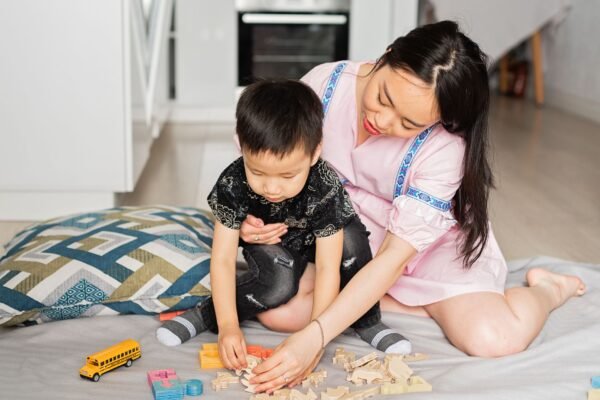
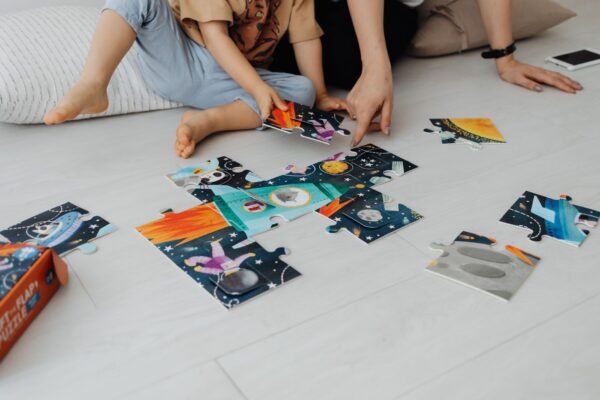
Play is the language of childhood. When parents engage in parent-child bonding games, they aren’t just having fun; they are building neural pathways and social skills. Whether it is a board game designed for family bonding time or a complex block-building challenge, the focus should remain on the connection rather than the result.
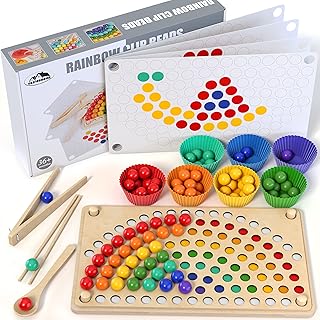
Educational toys for toddlers are excellent entry points for this type of engagement. Look for items that require collaboration rather than just solo play. These tools encourage children to communicate their needs, practice patience, and develop empathy, which are the foundational pillars of emotional intelligence.
- Choose toys that allow for open-ended play to stimulate creative thinking.
- Prioritize games that require turn-taking to teach impulse control.
- Rotate your toy selection to keep the environment fresh and engaging.
- Incorporate sensory-based tools to help children regulate their emotions.
Parenting Books and Guides: Your Roadmap to Success
Even the most seasoned parents can benefit from fresh insights. Modern parenting guides for new parents and experienced caregivers alike provide essential frameworks for understanding evolving child behavior. The best resources help you navigate the common pitfalls of toddlerhood while keeping the long-term relationship in mind. When selecting books on child development, look for evidence-based strategies that emphasize positive discipline and emotional awareness rather than rigid compliance.
Creating a Sustainable Home Environment
The physical space of your home plays a significant role in your family’s emotional health. Montessori learning toys for kids often focus on accessibility and independence, which can significantly reduce frustration during daily tasks. When a child can reach their own books or clean up their own toys, they feel a sense of agency that builds confidence. This confidence is a vital component of the parent-child ecosystem, as it allows you to shift from being a ‘manager’ of your child’s behavior to being a ‘coach’ of their growth.
Addressing Emotional Intelligence
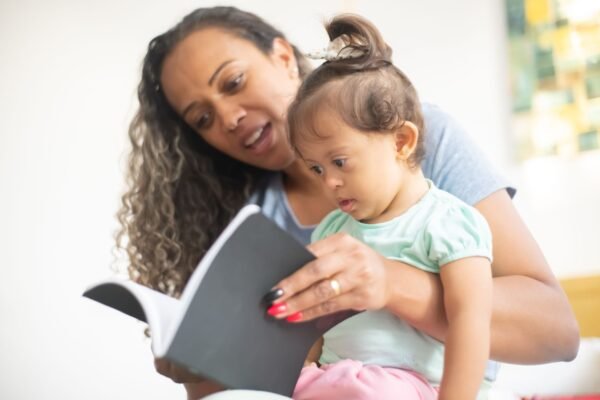
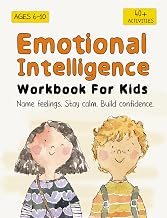
Kids’ emotional intelligence books are transformative tools for parents looking to teach their children how to name, feel, and express their emotions. By reading these stories together, you create a safe space for your child to explore complex feelings. This practice is one of the most effective child behavior management tools available, as it addresses the root cause of ‘acting out’—a lack of vocabulary or understanding of their own internal world.
Investing in your child’s development is a lifelong process. By curating a home filled with intentional resources, you ensure that your family remains connected, resilient, and ready to navigate the world together.
Top Recommended Resources for Your Home Ecosystem