
It comes out of nowhere. A slice of toast that doesn’t tear, a blue cup instead of a red one or a shoe that doesn’t fall off and suddenly your 24-month-old is flat on the floor.
Their face goes red, their chest heaves as an ocean of cries floods the room.
These high intensity toddler meltdowns pull our parenting impulses in two different directions. We try to talk them out of it “It’s just toast, honey!” or we feel our own internal temperature rise, matching their pandemonium with our own irritation.
But to a toddler, these powerful emotional storms are frightening indeed. Their brains are developing fast but the rational prefrontal cortex, the part of the brain that controls impulses and emotions is still quite undeveloped.
They have giant adult-sized emotions with a toddler-sized neural toolset. They aren’t trying to give you a hard time; they are having a hard time.
One of the best and least stressful methods to cross this emotional gap is not through clinical lectures or regimented time-outs. It’s in the soothing, communal cadence of a fable.
When we read about characters who lose their anger, feel terribly sad or experience tremendous anxiety, we offer our kids a safe mirror to see their own interior worlds.
We know at Cozy Parents that co-regulating a furious toddler takes a lot of emotional stamina. Books take the load off your shoulders. They are a third-party coach that opens up conversation when a youngster is calm.
The Behavioral Mismatch: Why Shaming and Reason Don’t Work
When a toddler is entirely overcome with rage or disappointment, attempting to explain why their reaction is overblown can actually make the storm last longer.
Neurological blockade
In a big emotional outburst the survival part of the brain (the amygdala) takes over completely from the reasoning brain. Your child literally can’t process logical reasoning, time-outs or scolding. The system considers the inside suffering as an emergency of the highest kind.
The Cycle of Shame
If a youngster is repeatedly ordered to “stop crying” or called “bad” for showing unpleasant emotions, they start to believe that their own feelings are dangerous or incorrect. This produces a hidden layer of anxiety, typically leading to increased behavioral concerns down the road.
Bibliotherapy Method for Parents in Four Steps
Storybooks can create emotional resilience, but only if we go from passive reading to purposeful emotional coaching. Here’s a basic sequence to follow during your quiet reading routines:
Step 1 – Make Sure That Character Is Real
Look at the pictures and stop before reading the words as you turn the pages. Indicate the character and add, “Look at her eyebrows and her clenched fists.” Her tower fell over and she looks very frustrated.
Step 2 – Link the Story to Real Life
Tie your character’s pretend trouble directly to something your tot has really struggled with lately. “Remember yesterday when your train track broke and you felt that exact same big anger in your body? It was so heavy, wasn’t it?”
Step 3 – Practice the Coping Skill as a Group
When the book describes a character taking a deep breath, squeezing a pillow or asking for a hug, stop reading and do that thing with your kid right there on the couch. Making regulation a fun game creates deep muscle memory.
Step 4 – Set Up the Unconditional Safety Anchor
Close the book and end with an absolute sense of emotional safety. Look your child in the eyes and tell them, “Everyone feels big, angry feelings sometimes, and that is okay. Even if you’re screaming or crying, my job is to keep you safe and I will always love you.”
If you’re interested in reading more about how to set those good behavior limits and keep your own parental cool during public meltdowns, check out the extensive family guide archives at Cozy Parents for a clear, reassuring roadmap.
Decoding the Network of Emotional Vocabulary
Books have to meet three different developmental levels of emotional literacy for your child to go from physical expression (biting or kicking) to verbal expression.
Layer 1: Identifying physical sensations
Toddlers don’t know what “anxiety” or “anger” means but they feel it in their bodies. Their hearts are pounding, their bellies are hurting and their hands are clenching.
Children can identify these physical palpable signs through books that describe emotions and can use them to map out what is occurring inside their bodies before an outburst occurs.
Layer 2: Labeling & Naming Emotions
The moment you identify an emotion, you diminish its strength. Neurologically, this is called “name it to tame it.”
When a storybook describes a complicated sensation as jealousy, loneliness, disappointment or irritation, it affirms the child’s internal condition and gives him the right words to use in communicating with you.
Layer 3: Artistic Emotional Expression
Healthy emotional development is not about preventing a child from feeling angry but about teaching them how to express that anger in a healthy way.
Books that normalize practical coping methods such as drawing a mad image, racing fast outside or taking deep belly breaths provide toddlers a clear, safe template for how to deal with high internal energy. For more ideas on how to weave these linguistic and emotional milestones into your daily routine, see the parent resource databases at our website.
Best Products For Parents
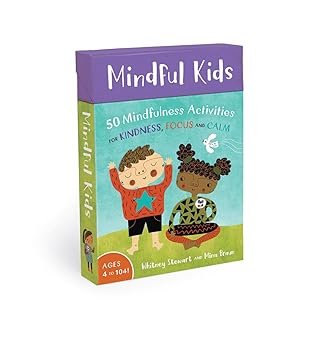
Barefoot Books Mindful Kids 50 Activity Card Deck
A wonderfully designed deck of large activity cards with simple, amusing mindfulness and breathing activities just for young children. The product provides parents with a real, engaging tool to educate emotional grounding, bodily awareness and stress-release strategies during peaceful transition time or at bedtime.
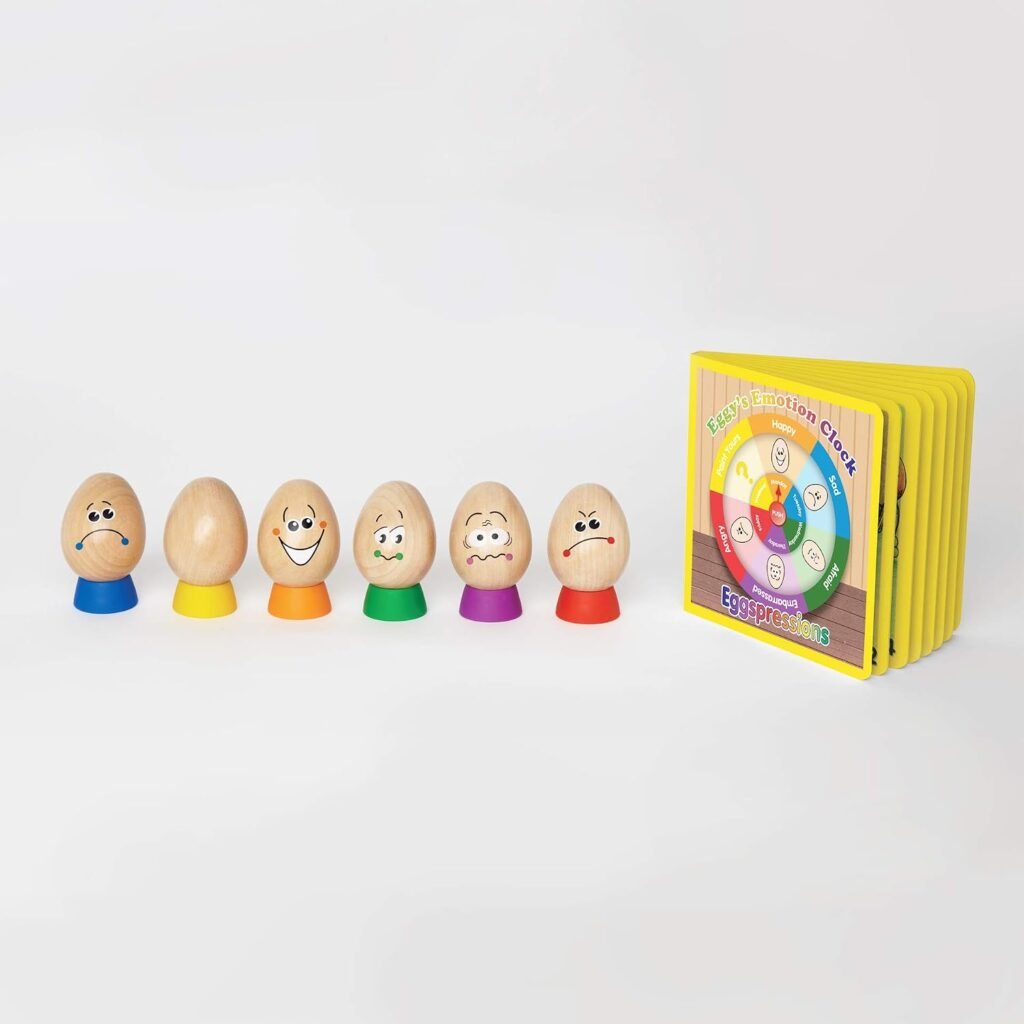
Hape Wooden Eggspressions Book and Learning Toy
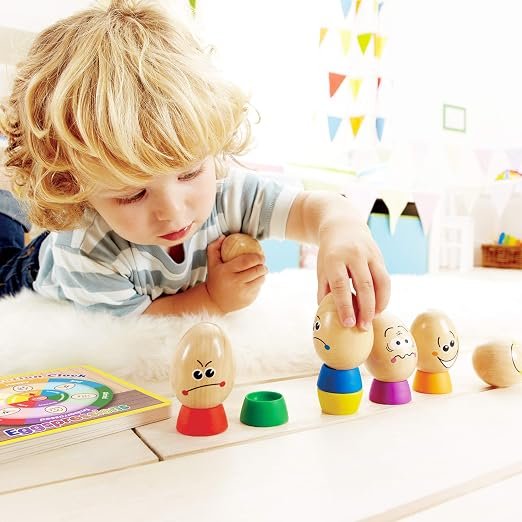
6 smooth egg figurines with different emotions on a wooden developmental set with tale about feelings. The eggs are so beautifully tactile, they allow toddlers to touch, sort and roll the eggs and relate the characters’ emotions to their own feelings, making abstract emotional notions tangible.
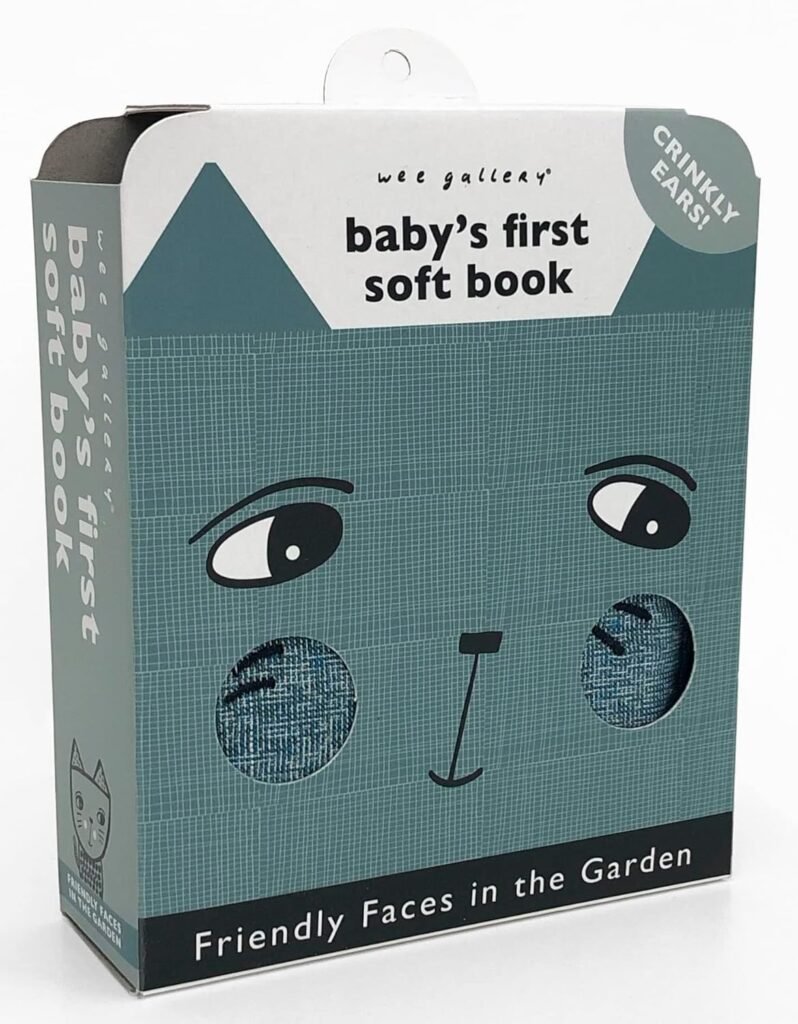
Wee Gallery Organic Cotton Soft Book
A really soft fabric book with crinkly textures and high contrast geometric animal drawings to demonstrate basic emotions. It also is a wonderful, safe emotional-literacy tool for older infants and younger toddlers discovering books through touch and mouth manipulation.
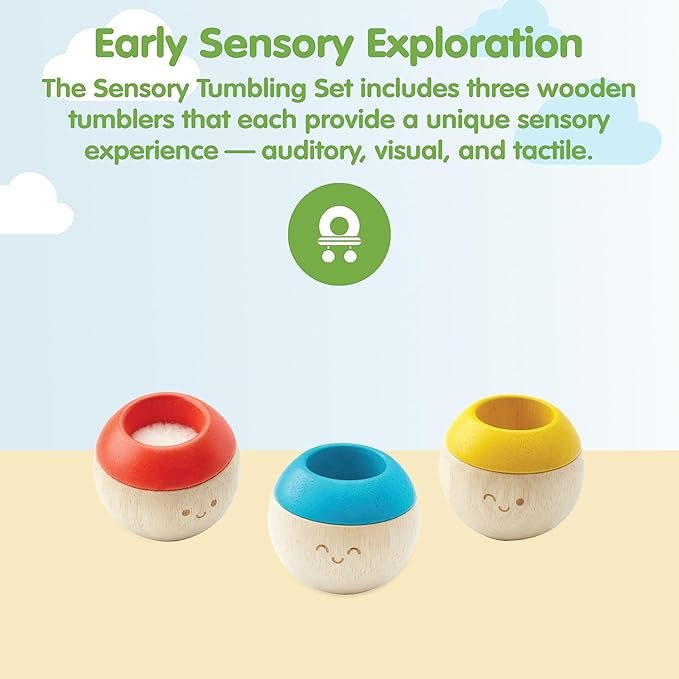
Wooden Sensory Tumbling Balls
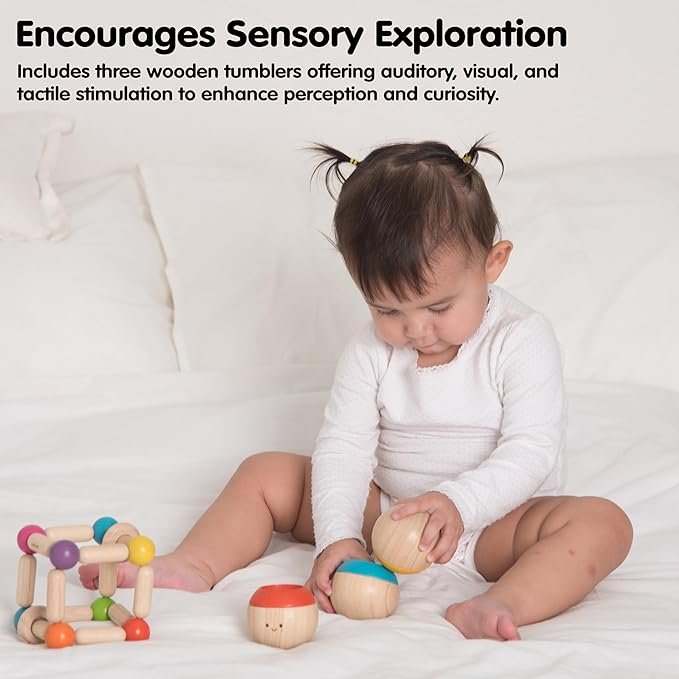
This set of three tactile spheres are made from sustainable, chemical-free rubberwood and provides distinct audio, visual and physical sensory feedback. Great for co-regulation, rolling or squeezing these smooth weighted wooden pieces gives the deep palm pressure needed to quiet a frenetic toddler.
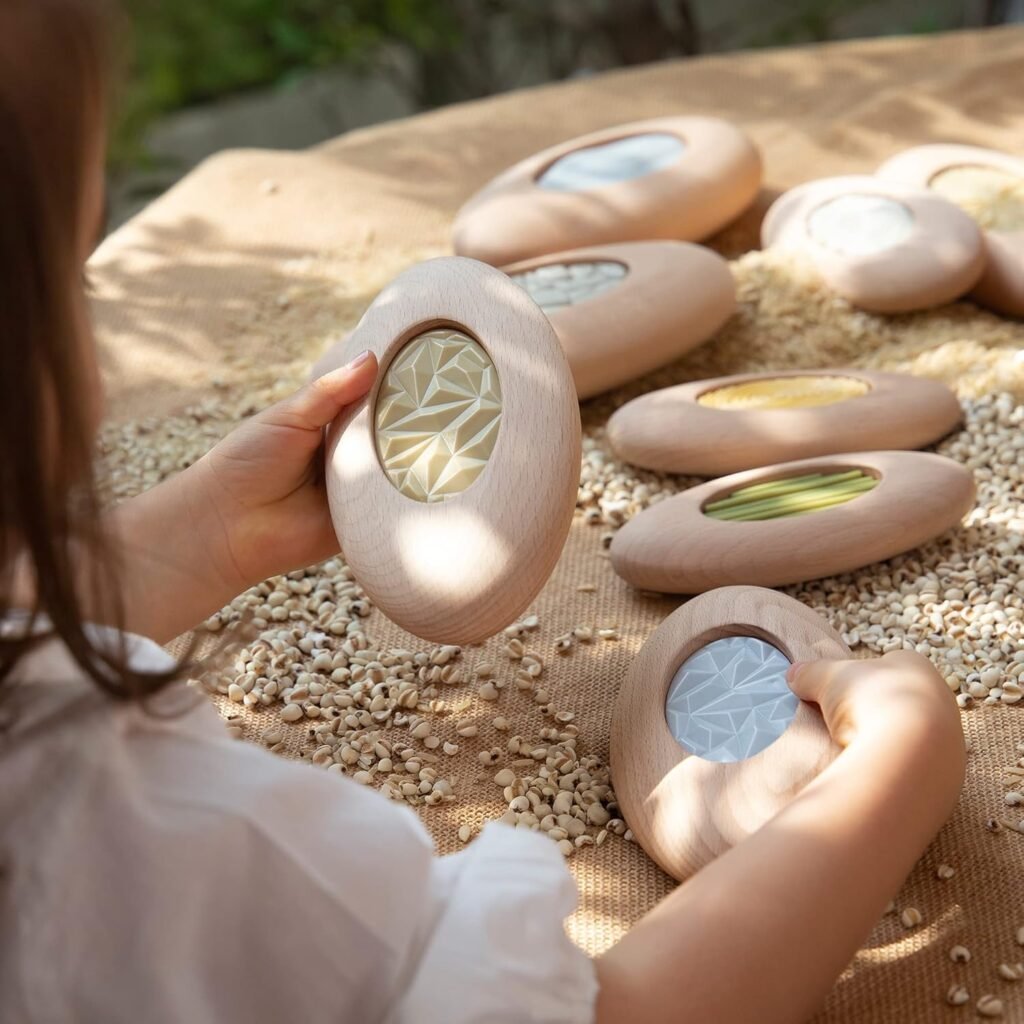
Guidecraft Emotion Stones Set
A strong collection of cast stones sculpted with a variety of lifelike facial expressions showing basic human emotions. These weather-proof tactile stones can be buried in sensory trays or played as a conversation game, where older toddlers can practice emotional awareness and empathy, through touch alone.
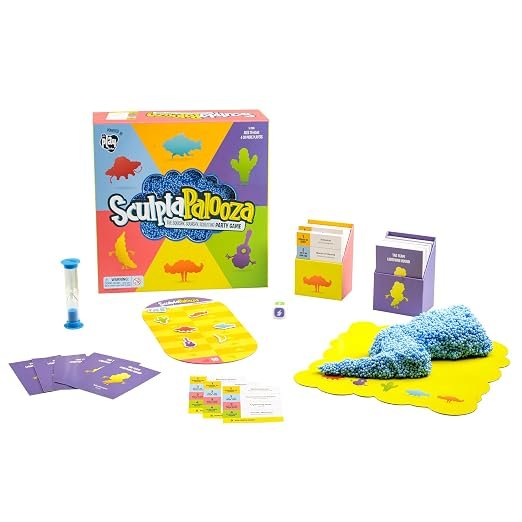
Educational Insights Sculpt-a-Palooza Sensory Dough Set
A high-end, non-drying modeling foam kit that inspires open-ended creative sculpting without the mess of home materials. The high resistance sensory foam may be pulled, squeezed and flattened for a safe, therapist-approved way for children to release pent-up physical irritation and anxious energy.
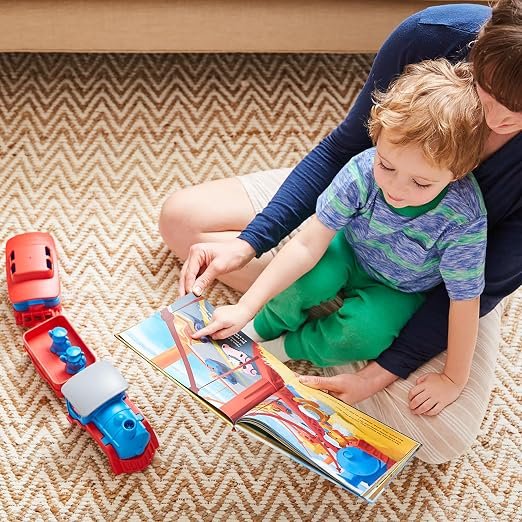
Green Toys Character Storybook Play Set
This modest playground, made in the USA from 100% recycled milk jugs, includes a simple picture book and basic animal figures. It has no technology distractions, so children have to use their growing vocabulary to tell the story of social-emotional issues and to engage in creative problem solving while they play.
Summary of the Emotional Literacy Checklist
Keep this fast daily plan in mind to make your emotional coaching simple, effective and connected:
The Timing: Read books with large feelings only when your youngster is in a completely peaceful and relaxed state.
The Focus: Build empathy by focusing on the character’s facial expressions and body language.
The Strategy: Fully normalize the internal sensation, while maintaining a strong border on detrimental acts.
The Connection: Narrate your own daily emotional situations out loud to model the habit.
Walking Through the Storm Together
After all, raising an emotionally resilient child doesn’t mean you have to create an environment where tantrums never happen. This does not mean that your child will never scream or cry or feel totally overwhelmed by a fast-paced world.
Success is when those natural emotional storms eventually come, your child knows they don’t have to drown in them alone.
You snuggle on the couch, pick up a favorite book and offer them the language to understand their inner world. And you develop a lifelong bond of trust. You never have to face the burden of these parenting choices by yourself. Bookmark Cozy Parents as your go-to digital village for a consistent supply of expert child development content, practical family advice and warm peer feedback.
Turn the page, take a deep breath together, hug them close and watch with absolute joy as your tiny one learns to navigate their vast world with calm unwavering confidence.