
When we are seeking a peaceful, less-is-more home, we tend to think about the what: the carefully selected wooden blocks, the heirloom-quality silk capes, the sustainable balance boards. But there’s a quiet, equally important piece of intentional parenting: the how of maintenance. When a beloved plaything becomes a magnet for sticky snacks, outdoor grime, or the inevitable germs of a busy toddler, the natural reaction is to reach for strong, industrial-grade disinfectants. Marketing conditions us to believe that a “clean” home must smell like synthetic lemon or bleach, but at what cost to our child’s health?
At Cozy Parents we believe that the home should be a sanctuary, not a place for unnecessary chemical exposure. Your child’s toys are not just things. They are things that touch their skin, their mouths and their developing nervous systems. The reality is we don’t need synthetic sprays to keep our playroom clean. By taking a “maintenance-first” approach and using simple, earth-friendly agents, you can prolong the life of your kids’ gear while preserving pristine indoor air quality. This complete how-to will walk you through the philosophy, the tools and the exact protocols needed to keep your playroom both clean and safe.
The Philosophy of Natural Upkeep
Many common household cleaners use quaternary ammonium compounds, phthalates or harsh bleaching agents, which can leave toxic residues on porous surfaces like wood or fabric. These are “stay-on” chemicals and are meant to provide residual antibacterial protection. Unfortunately this means that your child is being regularly exposed to these chemicals through skin contact and hand-to-mouth habits.
We operate from three basic principles in our philosophy that relieve the burden of heavy duty chemicals:
1. Care about Material
The structural requirements of materials vary; solid wood, organic cotton, silk and high density plastic are just a few examples. Playing with a delicate wooden block as if it were a plastic tub toy will lead to warping, swelling of the grain, and early degradation. By understanding the composition of the toy, you can use the gentlest method required, which preserves the toy’s integrity for years rather than months.
2. The “Less is More” Hygiene Model
We prefer gentle, frequent cleaning to occasional “deep” chemical sanitising. The longer grime is allowed to build up and get ground-in, the more tempting it is to reach for harsh cleaners. With a little bit of effort each day, we keep the dirt down and don’t have to use harsh cleaners at all.
3. Agents Starting On Earth
White vinegar, castile soap and hydrogen peroxide are powerful enough to kill most common household bacteria and viruses when used with the right concentrations and contact times. These agents are biodegradable, cheap and most importantly safe to have in the air you breathe.
The Toolkit: 7 Natural Cleaning Staples
To truly clean a playroom, you need the right instruments. These seven essentials comprise a full kit for the intentional home.
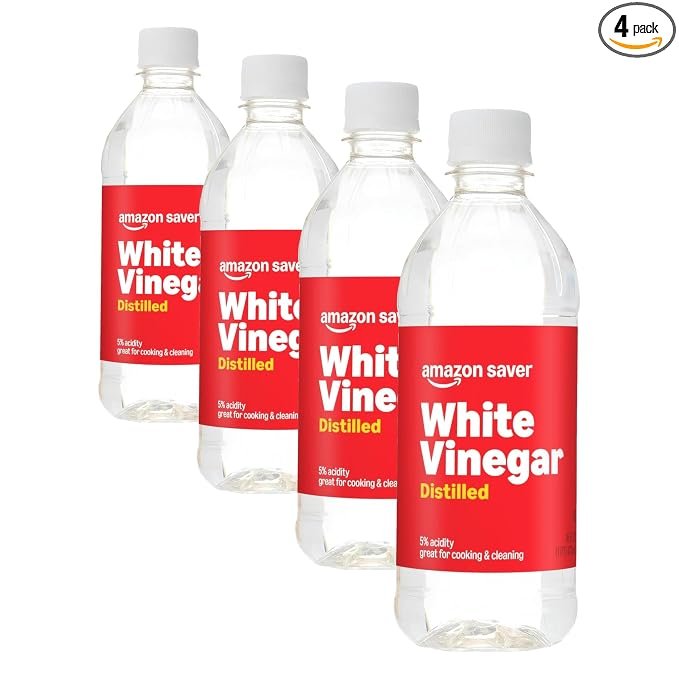
- Distilled White Vinegar: A mild acid to break down mineral deposits and grime. It naturally inhibits bacterial and mold growth. It is a safe, effective degreaser for non-porous surfaces such as plastic and tile because of its acetic acid content.
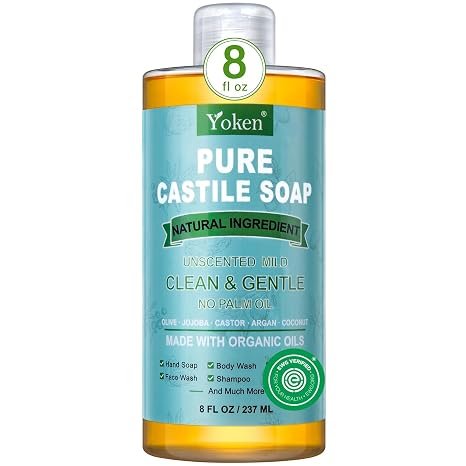
- Unscented Organic Castile Soap: A surfactant derived from plants that removes dirt from surfaces without leaving a chemical film.
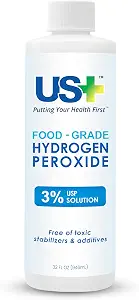
- Food-Grade Hydrogen Peroxide (3%): Powerful non-toxic oxidizer that kills bacteria and viruses. It breaks down into water and oxygen making it one of the most effective and eco-friendly disinfectants available.
- Microfiber cleaning cloths: They use mechanical action to pick up bacteria and physical dirt better than paper towels, so you use less water and cleaning products to do the cleaning.
- Soft-Bristled Natural Fiber Scrub Brush: An essential for cleaning dirt out of all the nooks and crannies of plastic building blocks or the grain of wooden trains.
Optional: Add a few drops of tea tree oil to your vinegar solution for an extra boost of antimicrobial properties or lavender for a calming atmosphere in the playroom.
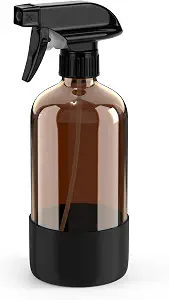
- Glass Spray Bottles: Plastic can leech chemicals into your cleaning solution, glass will not. Your bottles will be as fresh as the day you made them.
Deep Dive: Cleaning by Material
How to Clean Solid Wood and Natural Fiber Toys
Wood is porous so it can absorb liquid. A wooden toy, if you soak it, will swell, warp and possibly crack when it dries. The key here is moisture control and good drying techniques.
The Technique:
- To prepare, mix 1 part white vinegar with 4 parts warm water in a spray bottle.
- Application: Do not spray directly on the toy Spray your microfiber cloth until it is lightly dampened; it should be barely moist, never dripping.
- Wipe: Wipe the toy with a damp cloth, especially where food or saliva may have collected.
- Drying: Immediately follow with a clean dry microfiber towel to remove any residual moisture.
- Restoration: If after cleaning you find the wood to be “tacky” or dry, take a small amount of food-grade beeswax or organic coconut oil and buff into the wood with a soft cloth. This re-nourishes the grain and provides a protective barrier against moisture in the future.
Silks, Costumes and Soft Plush Cleaning Fabric
Fabric things are usually the biggest source of lingering germs. They are soft, so provide a textured surface for microbes to nestle into.
The Method: Hand-Washing: For silks and delicate cottons, hand-wash in a basin of cool water with a teaspoon of mild, plant-based detergent. Gently swirl the water around, leave to soak for ten minutes and rinse thoroughly in cold water.
Machine care: For heavier items, use the “delicate” cycle on your machine. Always put these inside a mesh laundry bag so they don’t get torn or overstretched during the cycle.
The “Sun-Bleach” Secret: This is probably the most powerful weapon in the intentional parent’s arsenal. Use the natural UV power of the sun. After washing, lay your fabric items in direct sunlight for an hour. UV radiation is a great natural disinfectant that kills bacteria and mold spores effectively without the harmful effects of chemical bleach.
Cleaning Sealed Equipment and Dense Plastics
The Approach: The toys themselves are synthetic, but non-porous, so they can handle a scrubbing a bit more intense but they should be rinsed and dried well to avoid water spots.
Soak: Fill a basin with warm water and a good squirt of unscented Castile soap. Allow the toys to sit and soak for 15 to 20 minutes to loosen any dried dirt.
Scrubbing: Use a soft bristled brush to get into crevices where bacteria like to hide.
Disinfection: For a deeper sanitization (for example after an illness) spray the surface with 3% hydrogen peroxide. Let stand for 5 minutes for the peroxide to have the required contact time to kill pathogens, then wipe clean with a damp, water-only cloth.
Drying: Air dry thoroughly on a clean drying rack. Be sure they’re completely dry before putting them in storage containers or you risk hidden mold growth.
Maintaining the “Minimalist Playroom”
The best way to keep your toys clean is to reduce the opportunity to get them dirty in the first place. These lifestyle changes can reduce considerably the amount of cleaning you’ll have to do:
1. The weekly “Tidy-Toss”
Schedule a 15-minute “Tidy-Toss” once a week. This is not a deep clean, this is a quick assessment. Check for loose pieces. Wipe off any sticky surfaces that are obvious. Identify anything that needs to go into the laundry bin. If you do the cleaning a little bit at a time, you never do the big chore-heavy weekend projects.
2. The “No Shoes Indoors” Rule
A high percentage of the dirt on floor toys is tracked in from the outside. Make your home a “barefoot or socks only” zone so you cut down on most of the dirt, pollution and outdoor germs before they ever get into your play gear.
3. Humidity and ventilation control
Bacteria and mold thrive in damp places. Stuffy or humid playroom? Your wooden toys and fabric baskets are in danger. Open your windows every morning for at least 15 minutes to let in fresh air. If you live in a very humid climate, consider using a dehumidifier in the playroom to keep the air crisp and dry, preserving your wooden gear and preventing mold growth.
4. The Monthly Reset of Sunlight
Once a month on a dry, sunny day, take your collection of wooden blocks, sturdy plastic pieces and fabric play pieces outside. Leave them in the sun for an hour. This is the best way to “refresh” a playroom without a scrub. The natural light and air are a reset button on your whole toy library.
Why Is Quality Important In Maintenance?
One of the often overlooked benefits of investing in high-quality, sustainable toys is that they are infinitely easier to clean. Cheap, mass-market toys often have detailed, impossible-to-get-at molded hollows that trap food and dust, a breeding ground for bacteria. And they’re often made of cheap soft plastics that don’t hold up to even mild soaps, without breaking down.
Conversely, heirloom-quality wooden blocks and solid metal pieces, along with natural-fiber costumes, are crafted with smooth lines and high-quality materials that will withstand regular wiping and washing. By shifting your budget to these purposeful items, you are spending money on toys that are meant to be kept cleaner and are easier to maintain over the long term.
The Takeaway
A clean home isn’t the sterile, biting smell of artificial lemon, but the non-existence of toxicity and the presence of real care. Cleaning your child’s toys is more than simply dusting, you are protecting their environment and teaching them that even simple daily tasks can be meaningful.
By choosing natural, earth-derived cleaning agents, you are choosing a path that respects both the planet and the delicate health of your growing family. We hope this guide can form the basis of your cleaning routine and help you keep a beautiful and healthy playroom for years to come. At Cozy Parents, we’re committed to helping you declutter your home with your family’s health in mind. Got a favorite natural cleaning hack for your kid’s gear, or need advice for tackling a specific material? We’d love to hear about your experiences in the comments, how you go about creating peaceful, intentional homes.