
There’s a big change happening on local walkways. The familiar loud clatter of metal training wheels is fast fading, giving way to the smooth, silent glide of children on two wheels.
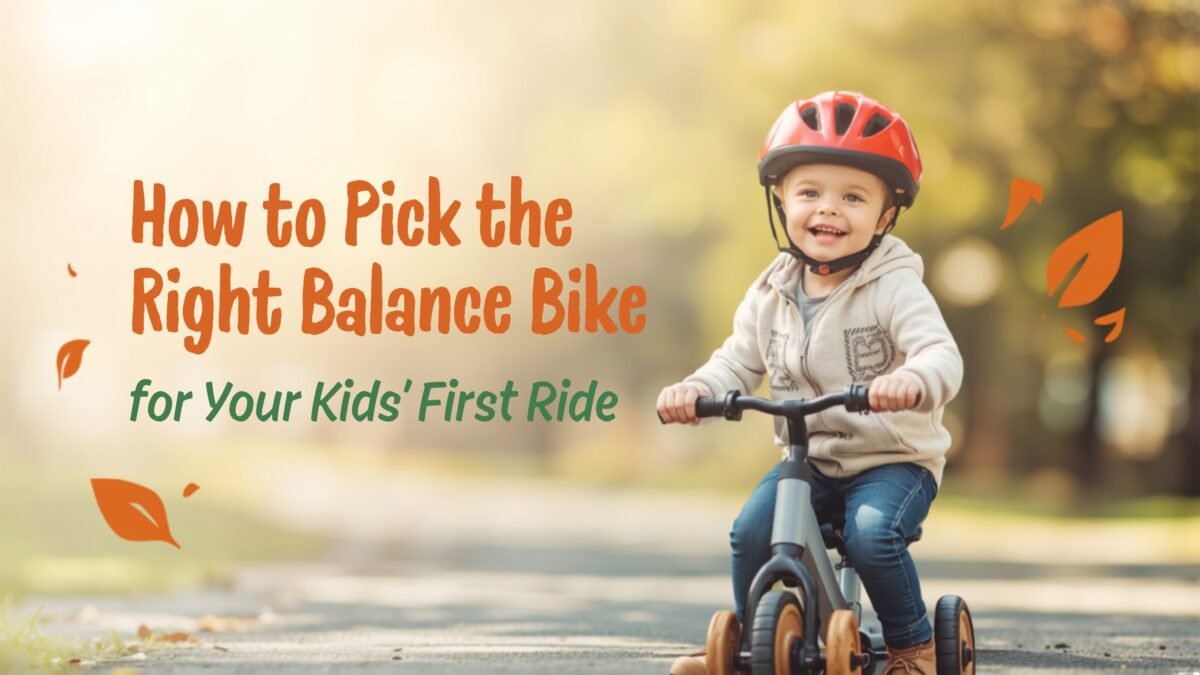
These little cyclists aren’t pedaling. They’re riding balancing bikes – low-profile bicycles powered only by a child jogging and then coasting with their feet on the ground.
If you were raised on training wheels, this may seem a little backwards. But now, cycling coaches and child development specialists agree that training wheels slow a youngster’s cycling progress. They educate toddlers to depend on a false, artificial stability and make them acquire the inappropriate muscle patterns for twisting and balancing.
From day one, a balancing bike addresses the hardest part of riding a bike – the core balance and steering. Once a child has learned to coast, transitioning to pedal bikes is nearly immediate, and can often be achieved without a single tear or tumble.
But selecting the ideal balancing bike is more than just picking a stylish colour or a well-known brand. If a bike is not fitted properly, it might be too heavy, too tall or inadequately balanced, transforming an exhilarating milestone into a stressful and frightening experience that makes your youngster want to quit.
Let’s get beyond the aesthetic marketing filters and focus on the physical measurements, frame materials and safety engineering you need to know before you buy your toddler’s first set of wheels.
At Cozy Parents, we see physical milestones through the lens of child autonomy and body confidence. We search for solutions that honor a child’s physical readiness yet remove the stress from outside play.
If you’re looking for more concrete, expert-backed plans to help your child’s gross motor achievements, check out Cozy Parents. You’ll find practical help designed for actual family adventures.
The Sidewalk Stumbling Block Engineering Mistakes
Before you start scrolling through online listings, it’s helpful to know the frequent design flaws that make low-quality toddler bikes a definite no-go.
The Inseam Dilemma: Many parents buy a bike according to age labeling, only to find the lowest seat setting is way too high for their toddler’s tiny legs, which makes it impossible to push off securely.
The Heavy Frame Weight: Cheap steel frames are sometimes 10 or 12 pounds or more. If a bike is more than 30% of your child’s body weight, they will find it hard to steer, lift or control and will tire quickly.
Hard Plastic Tire: Slip Budget models often come with solid, slick plastic wheels that have little grip on smooth indoor floors or damp outdoor pavement, and the bike slides out on fast corners.
The Missing Turning Limiter: A full 360-degree spinning steering column can allow an over-panicked youngster to snap the steering wheel over hard, locking the front wheel perpendicular to the frame and sending the toddler into a fast forward accident.
4 Important Quality Checks of a Good Balance Bike
These four technical characteristics are the standards by which to judge every choice in the search for a bike that will give you total confidence and safety:
1. Precise Seat Height to Inseam Alignment
Don’t play the guessing game of pant sizes for your youngster. Grab a tape measure and measure their actual inseam with shoes on. The perfect bike will have a minimum seat height that is at least 1 to 1.5 inches lower than your child’s standing inseam so they can plant their feet level on the tarmac to push off and stop safely.
2. Weight of Frame per pound
Look for lightweight materials, such as aircraft-grade aluminum, high-density composite plastics or sustainable wood. If your child is two, try to get a bike that weighs under 7 pounds in total. The light frame means that a toddler can pick the bike up themselves after a fall, encouraging real confidence and tenacity with the endeavor.
3. Selection of the tire tread and material
Pneumatic (air-filled) rubber tires offer exceptional cushioning, grip and stress absorption on outdoor sidewalks, gravel walkways and dirt trails. Foam tires (EVA) are lighter, they are 100% puncture proof and zero maintenance. Foam tires are a great choice for younger toddlers who are training mostly indoors or on flat driveways.
4. Frame Geometry and Footrest Integration
A decent balancing bike has a low step-through frame so that a toddler can swing his or her legs over the saddle without falling over. When learning to take long coasting stretches, seek for low-profile, integrated footrests at the back axle so kids may tuck their feet up comfortably without interrupting the running stride.
If you want to get into the nitty-gritty of tracking these bodily changes and promoting outside exploration without having to worry about those unpleasant milestone checklists, the lifestyle advice at Cozy Parents may provide you with a straightforward, reassuring guideline.
Coasting and the Three Physical Sectors Built
The youngster is actively conquering 3 key gross motor domains as they run and glide on a balancing bike.
Sector 1: Balance of the Core Vestibular System
The vestibular system, which is responsible for balance and spatial orientation, is located inside the inner ear. It’s not like training wheels that keep the bike precisely straight, a balancing bike forces the child’s brain to constantly compute slight side-to-side adjustments, strengthening their deep core stabilizing muscles.
Sector 2: Bilateral Coordination & Separation
The legs must follow rhythmic alternating patterns while the upper body and arms are steady to steer the handle bars. This bilateral synchronization on a high level enhances spatial tracking, improves reflexes and trains the brain to divide focus between steering and locomotion.
Sector 3: Spatial Judgement and Speed Management
You gotta be quick thinking racing down a sloping driveway. Toddlers need to swiftly estimate distances, determine the pathways of steering and guess how much foot pressure is needed to slow down. This active navigation creates a deep sense of physical spatial ability. If you want more strategies for incorporating these physical milestones into your everyday outside play, check the extensive parent resource databases at our website.
How to Create Lasting Cycling Confidence
One of the best gifts you can give your active toddler is to take off the training wheels and get them a well-engineered balance bike. With an exact inseam measurement, lightweight frame and dependable tires you remove the fear of falling and make learning to ride a happy, natural milestone.
Judge your toddler’s physical readiness and pick a bike that fits his or her individual build. Then stand back and observe your child cruising down the sidewalk in utter independence.
You don’t have to go through these early childhood growth stages alone. If you need a constant flow of professional child development content, practical family advice and warm community validation, remember that we are here to help you along your parenting path.
Recommended Product from a Parent
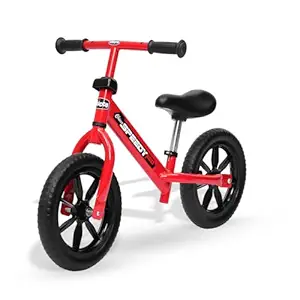
Strider 12 Sport Balance Bike: The world’s gold standard for beginning riders. The robust bike has an ultra-lightweight steel frame, puncture-proof tires made from EVA foam and an adjustable seat with no equipment required. It is easy to ride for ages 18 months to 5 years and is an ideal foundation for spatial balance.
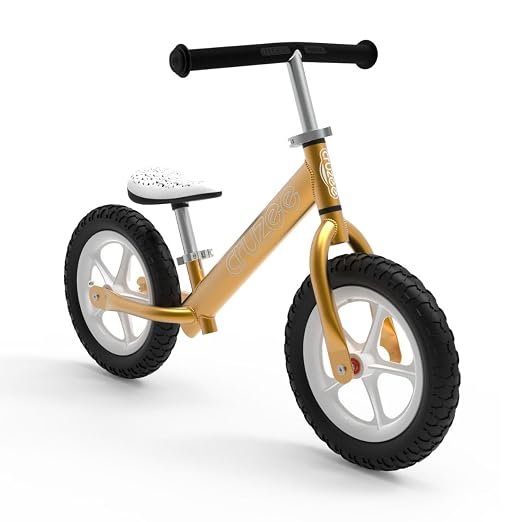
Cruzee UltraLite Balance Bike: An extremely well-designed bike made from aircraft quality anodized aluminum weighing a remarkable 4.4 lbs. This is absolutely the finest for younger, smaller children who have a hard time with heavier frames to steer, lift and handle their first rides all by themselves.
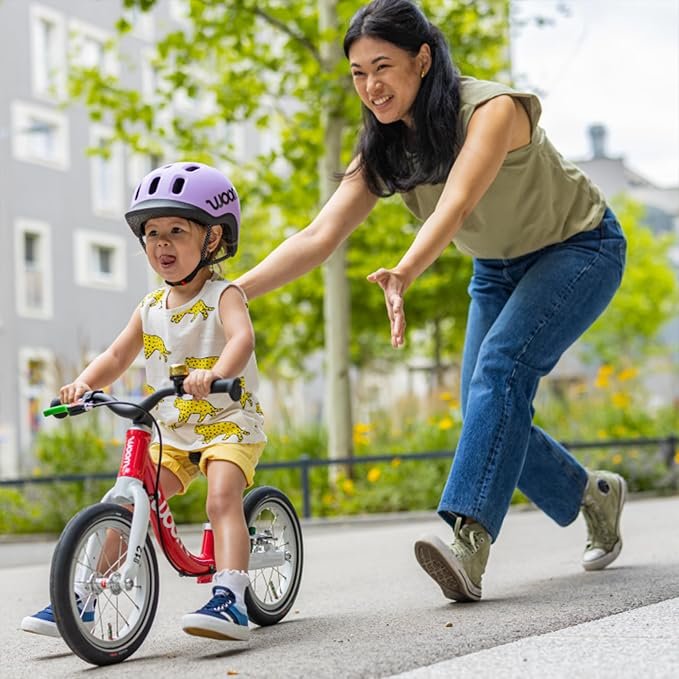
Woom 1 Balance Bike: A high-performance, premium cycling gadget for older toddlers/preschoolers. This model boasts a lightweight aluminum frame, true air-filled outside rubber tires for maximum sidewalk traction and a child-safe color-coded rear hand brake to introduce the stopping mechanism early on.
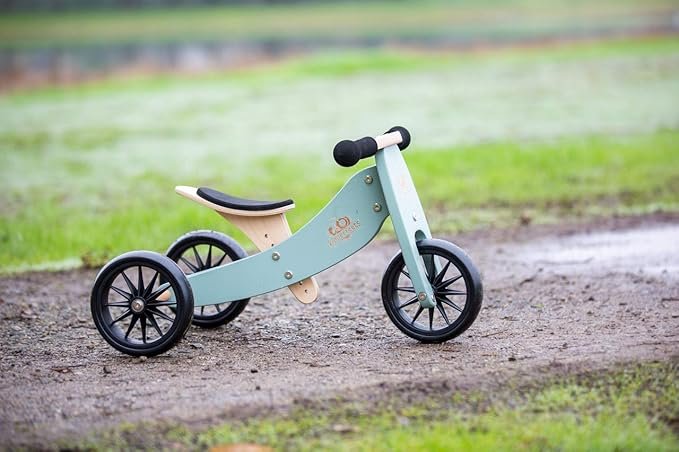
Kinderfeets 2-in-1 Wooden Bamboo Tiny Tot Trike: A gorgeous, eco-friendly wooden balance trainer that easily converts from a solid three-wheeled tricycle to a classic two-wheeled balance bike. It’s a fashionable, low-risk entry for smaller babies and toddlers working on their first vertical accomplishments indoors.
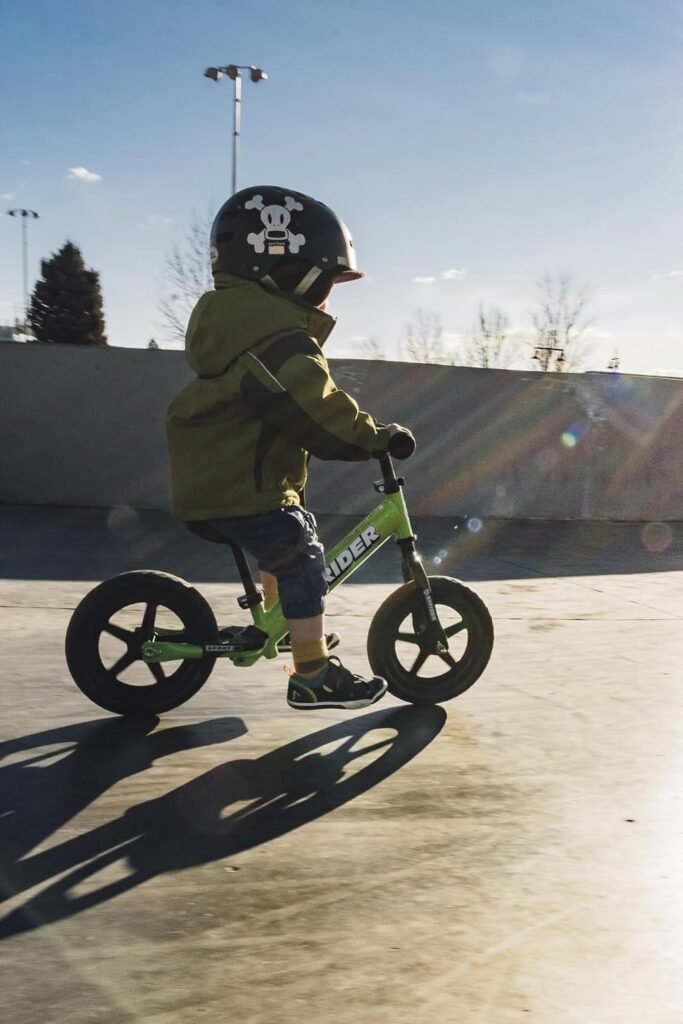
Chicco Bullet Balance Bike: A sturdy, steel-framed starting bike that won’t break the bank. Features puncture-resistant foam tires and a comfy, ergonomic saddle. It’s a great way to develop core balance and spatial confidence in a toddler without breaking the bank on your playroom budget.
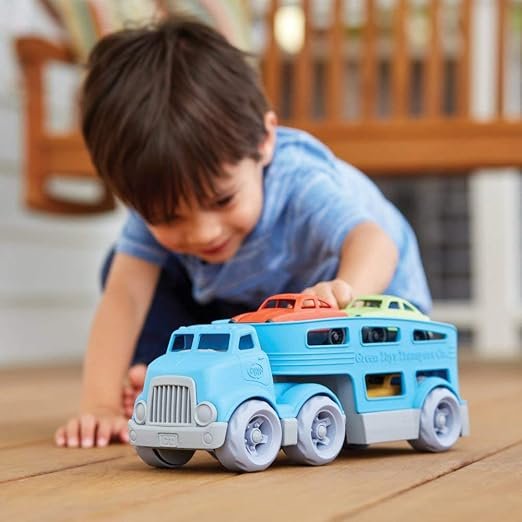
Green Toys Safe Eco Playground Vehicle Set: Made in the USA from 100% recycled plastic milk containers, this chemical-free, chunky vehicle set is a fantastic indoor alternative for quiet floor play. It offers a lightweight structure for younger kids to learn hand-eye coordination and dramatic storytelling before getting on a real bike.
Schwinn Koen Toddler balancing Bike: Heavy duty, sturdy balancing bike with steel frame, rear footrest and quality air-filled tires. It copies the classic design of an adult bike, but keeps the safety borders of the geometry. This makes it a great motor for speedy outdoor travel.