
The plastic toy lifecycle is a frustration all parents understand. You buy a highly rated, flashing toy that is appropriate for your child’s age group. For forty-eight hours it is the cosmos to them. Then the cognitive change is small, your kid figures out the pre-programmed button sequence and the toy becomes pricey, permanent floor clutter.
A toy with a single script say a plastic spaceship that produces precisely three launch noises has a very short developmental shelf life. The toy is as good as dead when your toddler outgrows that one function.
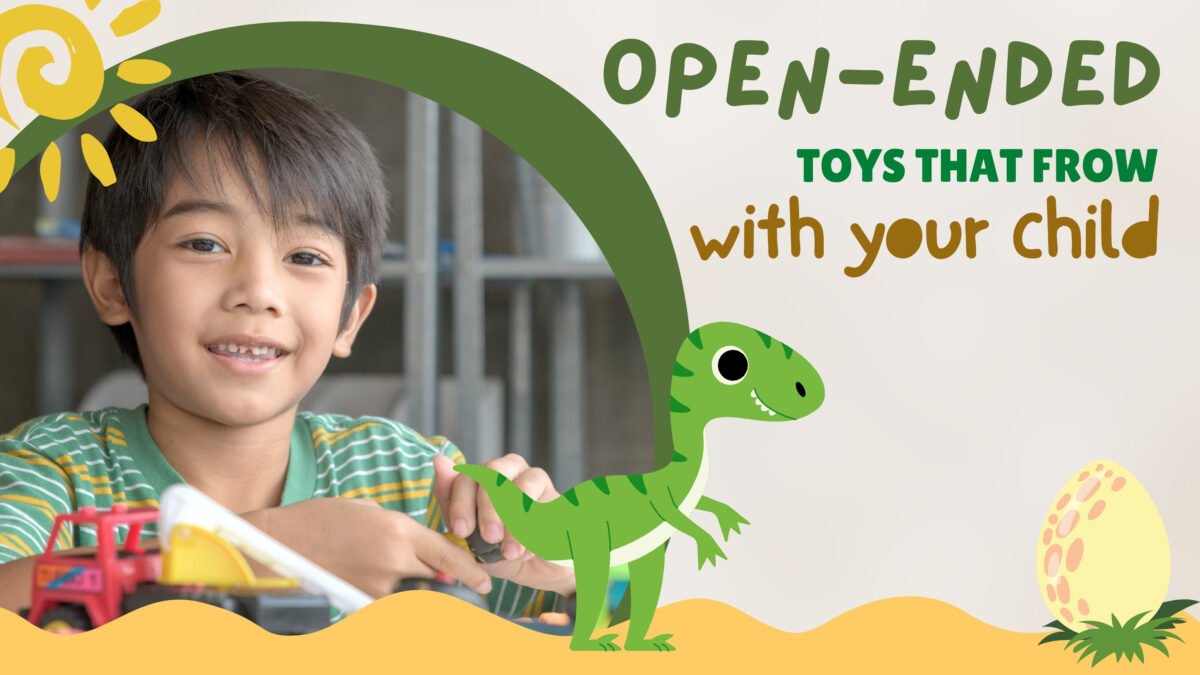
The cure for this continuous cycle of consumption and boredom is the open-ended toy. These are toys without rules, without instruction manuals, without a “right” outcome. They don’t dictate the play. Rather they are a malleable blank slate to whatever creative world your youngster is building that day.
Open-ended toys completely respond to your child’s growing brain, so one good set can easily graduate from a simple toddler stacking activity to a very sophisticated preschool engineering lab. Let us look at the important open-ended tools that expand along with your child’s thinking.
At Cozy Parents, our goal is to help you create a serene and simple home where deep attention can organically bloom. Ready to build an environment that values task perseverance above retail clutter? Then have a look at the resources at Cozy Parents for clear, therapist-approved playroom design designs.
Building Blocks in the Mathematics of Play for Life
The most enduring open-ended toys depend on structural, geometric building principles. Children develop skills of tracking space when they manipulate flat shapes. These are automatically scaled up as their internal motor planning grows more advanced.
The toddler at about two years of age relates to the building elements with simple sorting and flat two dimensional building. They like to put shapes flat on the rug or build blocks into basic vertical columns only to see gravity smash them down.
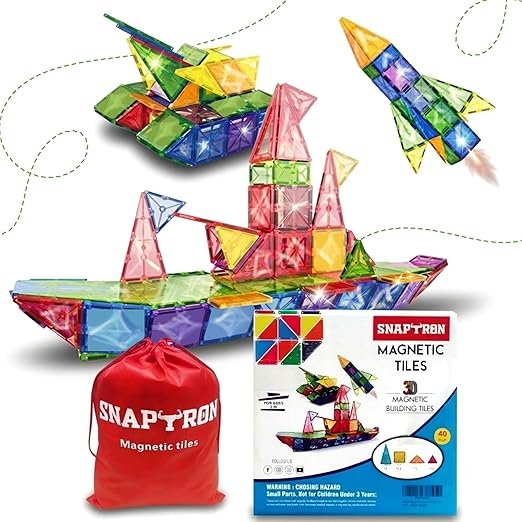
★ SNAPTRON Magnetic Blocks is a fantastic example of a gadget that crosses this age gap nicely. Toddlers adore the tactile snap of the heavy-duty internal magnets and the way the smooth, bevelled acrylic surfaces split incoming sunlight like actual glass prisms.
When the same youngster hits four years old, their play experiences a huge architectural change. Instead of just stacking squares, they will construct complicated three-dimensional towers, intricate marble runs and multi-tiered parking garages for their toy automobiles. The toy is exactly the same yet the child’s spatial logic has developed exponentially.
The Humble Block Power
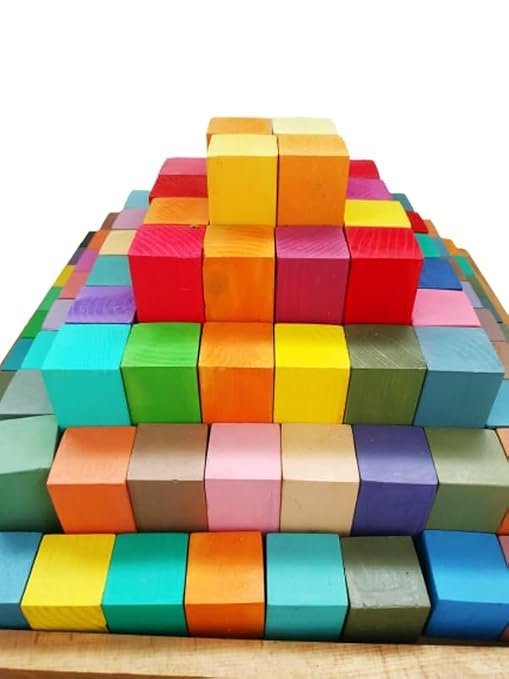
There is one definite must that belongs in every single child’s developing ecosystem: a premium set of unpainted, solid wood building units. Blocks are the least prescriptive medium, because they have no pre-determined faces, colours or themes that would limit a narrative.
★ Grimm’s Large Stepped Pyramid Blocks have a selection of diverse mathematical proportionality wooden columns, teaching the rules of physical weight distribution to the children entirely by touch.
A two year old utilises these blocks to evaluate early cause and effect boundaries and bilateral hand coordination . They discover how much palm pressure is required to balance one block on top of another without the tower sliding to the side.
By the time they go to preschool, those very same blocks are no longer just towers. They become sheep enclosures for animal characters, support beams for big blanket forts or abstract cash for a pretend grocery shop.
Storytelling in Small Worlds Filling the Sandbox
As toddlers approach the preschool years, their play moves from mechanical stacking to rich, dramatic narrative. They start to imitate real life events, experience common emotions and develop a huge vocabulary of action verbs by means of tiny world setups. ★The Schleich Wild Life Starter Set delivers hyper-realistic, beautifully detailed animal figures with real physical weight and durability.
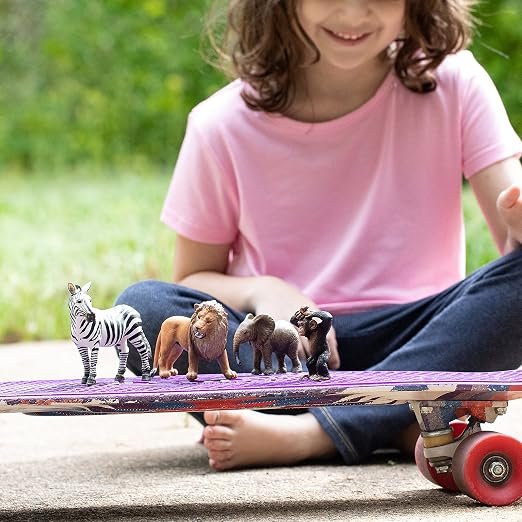
For the younger child, these animals are simple tactile objects for naming games, language identification, and simple matching exercises. They enjoy grouping the animals by size, pointing out the spots on a giraffe or making animal sounds.
But as cognitive story planning takes hold in the preschool years, those animals become the protagonists of sophisticated, hours-long theatrical sagas.
These Figurines are a perfect match with The Bombay Toy Company Wooden Houses Set, which provides a simple rural style building backdrop for your tiny world adventures.
With clean, simple architectural lines, no pre-painted characters or plastic electronics, your preschooler is free to determine if the wooden houses are cosy farm barns, high-tech fire stations or secret jungle hideouts. If you want to learn more about how you can use these narrative setups to boost your child’s daily speech milestones, check out the extensive parent resource databases at Cozy Parents.
Ultimate Minimalist Props: Fabrics & Drapery
Sometimes the most valuable toy in your home isn’t wood or plastic but a simple, flowing piece of lightweight linen. In the fabric play, a youngster must rely solely on abstract mental mapping. The material has no permanent structure.
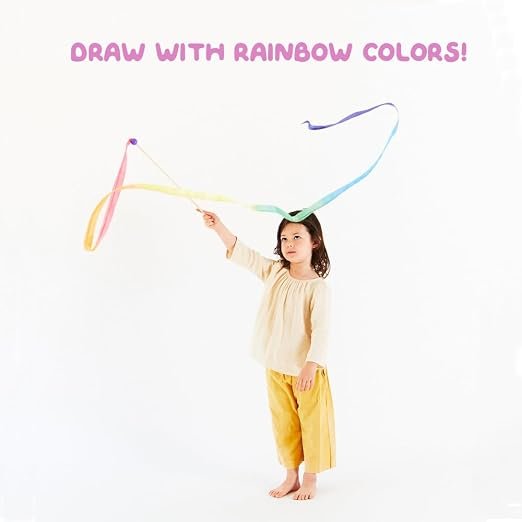
★ Sarah’s Silks Enchanted Playsilk is a huge shimmering square of natural mulberry silk that adds a delightful sensory texture to everyday floor play.
For a younger child, a playsilk is a great tool for early peek-a-boo tracking games, sensory texture exploration or a soft, comforting blanket to wrap over their favourite doll.
It is when your child enters the preschool years that the full multi-functional value of silk is discovered by their abstract imagination. In one afternoon the green or blue material can be strewn over the floor to stand in for a roaring ocean wave, looped around their neck to be a superhero cape or stretched over two chairs to be the roof of a secret desert tent.
Culinary and Practical Life Role Play
Toddlers have a strong natural inclination to mimic exactly what they see their primary carers doing during the day. They want to cut veg, pour coffee and wash dishes with you at the counter.
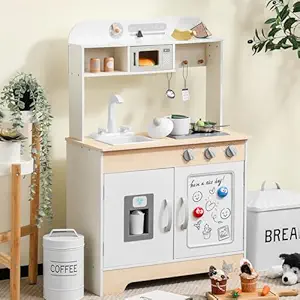
★ Milton & Goose Classic Wooden Play Kitchen combines the need for practical living mimicry into a robust, screen-free home stage.
Younger toddlers use a play kitchen to develop basic functional motor patterns. They love to open and close the heavy magnetic doors, to turn the clicking knobs and to sort plastic cups into the washbasin basin again and over again.
As they grow into preschoolers this physical inquiry becomes intricate collaborative social play They begin to manage pretend restaurants with multiple steps, hosting elaborate tea parties in the afternoons for their stuffed animals, negotiating recipes with siblings or playdates.
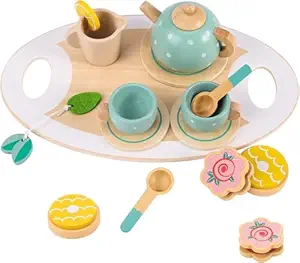
★ The Raduga Grez Wooden Tea Party Set is the perfect tactile accompaniment to this culinary world with delightfully smooth, clay-toned wooden cups and teapots that demand precise fine motor balance to pour and serve without tipping.
Re-Introducing Play Longevity
By choosing to forgo single-use plastic gadgets for high-value, open-ended tools throughout your home, you are doing far more than simply rescuing your floor plan from visual disorder. You’re actively honouring your child’s evolving brain by offering various channels that keep pace with their growing knowledge at every turn.
Back off, go minimalist and proudly watch your kid use a basic set of shapes to build a large empire of autonomous confidence.
You don’t have to face these childhood lifestyle decisions alone. Stay connected with Cozy Parents, your digital village for expert baby care guidance, practical home design recommendations and a loving community of like-minded parents.