
Our world rarely presses the pause button. Between agitated school curriculums, sports and after school activities, digital stimulation and the ambient worry of modern life, our children are growing up in a faster and more demanding setting than any generation before them. As parents we want to protect our children from pain, disappointment and failure. We want to prepare the ground for them to have their happiness.
But life is full of bumps and detours and storms. The best gift we can give our children is not a life without adversity but the internal resources they need to face that adversity with courage and confidence. We name this psychological armour Emotional Resilience. Resilience isn’t a personality attribute children have or don’t have. It’s a dynamic set of emotional and cognitive skills that are developed, muscle by muscle via daily experiences, loving connections and deliberate family behaviours.
We understand that if your daily schedule is already full, fostering your child’s emotional development can seem like a big task. Resilience isn’t found in fancy therapy programs. It’s formed in the small, ordinary moments of connection, validation and boundary setting. If you need practical and compassionate advice to help you safeguard your family’s emotional health, check out the nurturing community at Cozy Parents and learn about actionable frameworks created for modern, busy families.
The Modern Anxiety Engine: Discussion of the Core Problem
We must first be able to identify which specific stresses in today’s world are threatening the emotional well-being of our children in order to assist them develop strong coping skills. The rapid pace of modern life provides unusual friction points for developing minds.
The Instant Gratification Culture: Digital media and modern conveniences offer instant rewards at the push of a button which might inadvertently diminish a child’s natural tolerance for boredom, waiting and constructive frustration.
The Cult of Perfectionism: Children can be very sensitive to mistakes because of social comparison, tailored media environments, and high academic expectations. A small mistake can become a defining aspect of who they are rather than a natural part of the learning process.
Cutting Down Time: If a child’s day is packed, managed or filled with screen time every hour, they miss out on the essential unstructured time needed to process large feelings, fantasise and learn to self-soothe.
The Emotional Rescue Habit: Parents today are so invested and so caring, that it’s tempting to jump in too soon to solve a child’s problems, remove hurdles or comfort small disappointments which accidentally stops them from exercising their own problem-solving abilities.
Personalized Solutions
Strategy Approach
The biggest change is an emphasis on a “empowering” parenting style rather than a “overprotective” one. We use the approach of making the home a safe haven for large feelings, where they are fully acceptable and behaviour is gently guided. You educate children to ride the waves of their emotions instead of denying or retreating from them, and you grow a real, lasting sense of internal stability.
Implementation
Adding an emotional resilience framework to your frenetic daily routine does not imply adding more things to your to-do list. It’s about changing the way you respond to the emotional problems you face every day:
- Before you go straight to logic, practise emotional validation. If your kid gets mad, you might respond, “It’s okay for you to feel mad right now” before trying to fix the problem.
- Accept errors as a typical family value. At the dinner table, make a point of mentioning your own everyday blunders and what you’ve learnt from them.
- Establish a specific, screen-free “mindful transition” time after school or before bed, enabling your child’s nervous system to fully reset and downshift.
- Teach simple grounding strategies that your child can utilise when overwhelmed by a high paced environment: deep belly breaths, sensory check-ins, etc.
The Anatomy of a Secure Day
We’ll examine the natural touchpoints that occur from morning to night to discover how emotional resilience may be weaved directly into your existing family calendar.
07:30 AM – Morning Intentional Anchor
The way a day begins sets the emotional tone for the hours that follow. No hurried hurrying or demands to start the morning. Use the first two minutes after waking up for physical connection, extended hug or calm reading time. This simple habit fills your child’s “emotional cup” and regulates his or her nervous system, providing the psychological buffer needed to manage the transitions and social demands of the school day.
03:30 PM – Relaxing After the Rush
Moving from a highly controlled school environment back to the home can spark behavioural meltdowns or emotional defensive barriers. Don’t quiz your youngster right away about his/her day (“How was your test? What did you do ? “) . Instead, serve a healthy food, play low ambient music and leave 30 minutes for total unstructured, child-lead decompression time where nothing is asked of them.
06:00 PM – Resolving Conflict at the Dinner Table
Family dinners, daily, are a great place for social-emotional coaching. When a complaint comes from a brother or a friend, don’t rush in to referee or tell them what to do. Be an impartial sounding board. Ask open-ended questions: “That sounds really hard. What do you think would be a fair way to handle that tomorrow?” It changes them from a victim mentality into a proactive problem solution.
8:30 PM – Evening reflection & release
Replace anxieties with emotional closure before going to sleep. Create a simple evening ritual where you each share one item that made you happy that day, and one thing that was challenging. This teaches children that even if a day can have wonderful moments, it can also have uncomfortable problems. This leads youngsters to a more balanced and nuanced understanding of the ups and downs of life.
Want more tips on how to set up these peaceful bedtime routines and good behaviour changes without adding to your parenting load? Visit the detailed family guidance sections over at our website for easy, research-backed roadmaps.
Strategic Micro-Services for Parents
When we unpack emotional resilience into developmental building blocks that are actionable, the basic benefits may be seen in four primary areas of internal growth.
1. High Emotional Regulation Skills
Children don’t have the brain hardware to quiet themselves down after a big outburst, they need co-regulation with a calm adult. When you remain calm in the midst of your child’s emotional storms, you are giving their developing brain a blueprint. As this shared calm is repeated over time, it becomes internalised. The kid learns to recognise their feelings, take a stop before reacting and select appropriate outlets for anger, sadness or worry.
2. Tolerance for adversity and grit
True resilience is being comfortable with being uncomfortable and not giving up Whether it’s attempting to learn a new activity, managing a challenging friendship or coping with a disappointing grade, allowing children to safely experience the normal consequences of life improves cognitive stamina. For more advice on how to help your child cope with difficult behavioural shifts or adjustments at school, see the plethora of parenting tips at our website.
3. Genuine Confidence and Self-Reliance in Problem Solving
When a youngster is able to successfully handle a small crisis on his or her own (e.g., repairing a broken toy or sorting out a conflict on the playground) their internal belief in their own potential rises dramatically. They understand that pain is temporary and treatable. This real-world ability builds a real self-confidence which cannot be generated by empty praise or superficial trophies.
4. Strong Empathy and Social Bonds
An emotionally resilient youngster is uniquely suited to recognise and respect the emotional terrain of others. They may be comfortable with others’ weaknesses since they are not afraid of their own weighty feelings. This empathy provides the foundation for deep, healthy relationships and strong social networks that are the ultimate protective barrier against mental health difficulties later in life.
Differences: Emotional Shielding vs Resilience Building
It’s important to know the difference between shielding your child from the world and preparing them to overcome it. That’s where real emotional wellness comes from.
The Primary Reaction: Emotional shielding to eliminate source of discomfort (e.g. calling a teacher to seek a grade adjustment). Resilience building is about helping the child while they experience the discomfort directly.
The long-term message: The shield gives the youngster the message, “You are fragile and you can’t deal with this without me.” Resilience building is saying, “This is really hard, but I know you have it in you to get through it.”
The Source of Security: Shielding depends upon an artificially perfect external environment. Building resilience leads to a rock-solid inner security that is unaffected by changing external conditions.
Handling Errors: A safe atmosphere conceals or rationalises errors so that people do not feel embarrassed. In a resilience-focused home, failures are viewed as important, vital data that leads to mastery and self-growth.
When you adopt this focused, grounding approach to emotional coaching, you may break free from the stressful cycle of hyper-parenting.
Best Products for Parents
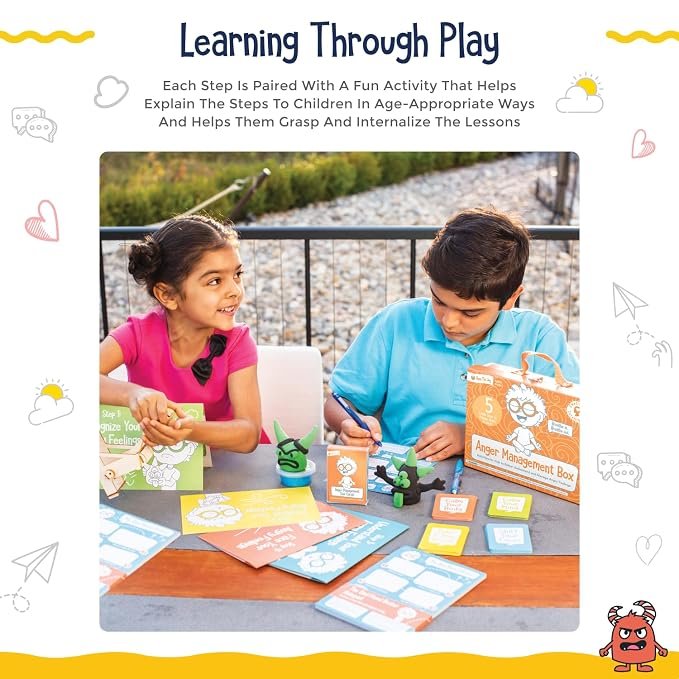
Open the Joy Emotional Intelligence Box
This complete therapy activity set has a wide range of child psychologist prepared guided worksheets, conversation starters, clay modelling materials and feeling cards. It offers families a systematic and extremely engaging framework for learning emotional vocabulary, bodily responses to stress and real-world problem solving. It is an all-in-one toolkit to cultivate true grit and self-awareness in children aged 4 to 10.
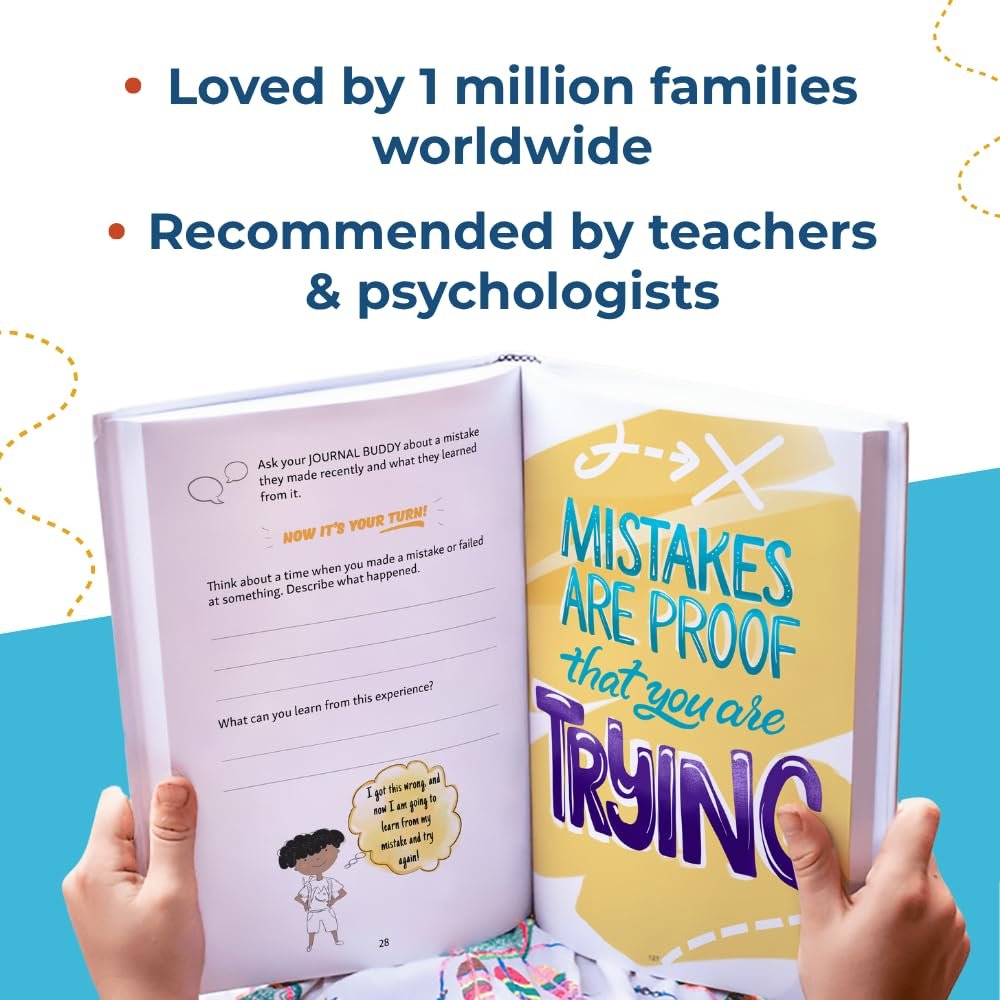
Big Life Journal for Children
A beautifully illustrated evidence-based growth mindset journal loaded with writing prompts, anecdotes and challenges. It mentors older children and young adolescents as they change their inner dialogue, learning to reframe failures, develop cognitive tenacity and find the genuine power of resilience via creative self-reflection.
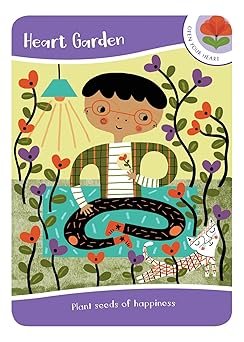
Mindful Kids Activity Deck 50 Mindfulness Activities
A beautiful, sturdy, flexible deck of cards with easy mindfulness, breathing and grounding exercises for young children. It is a fun, hands-on tool to start daily emotional regulation breaks and to encourage youngsters to develop the essential skill to stop and collect themselves in the middle of busy days.
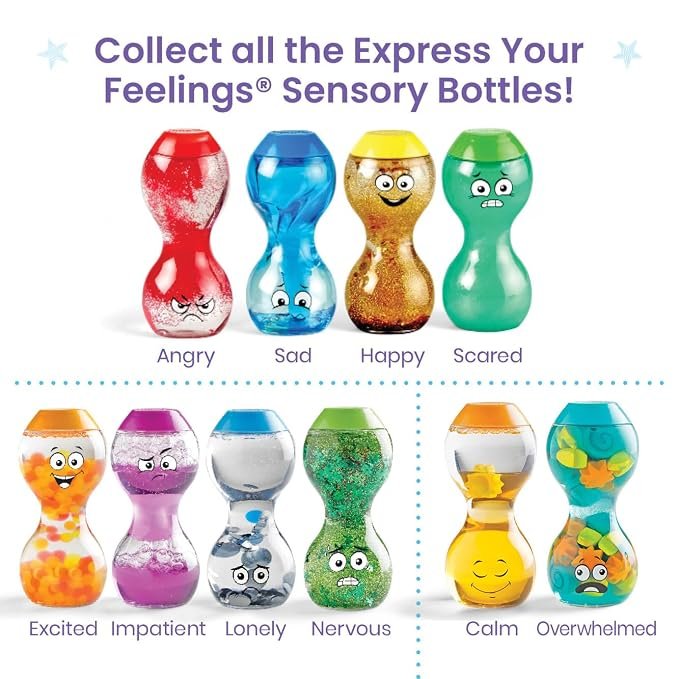
Hand2mind Express Your Emotions Sensory Bottles
A set of four individually designed, colourful sensory bottles filled with different liquid movements to reflect key human emotions: anger, happiness, fear and sadness. It is a great visual aid for babies and toddlers who have a hard time expressing themselves, to help them recognise, express and calm themselves.
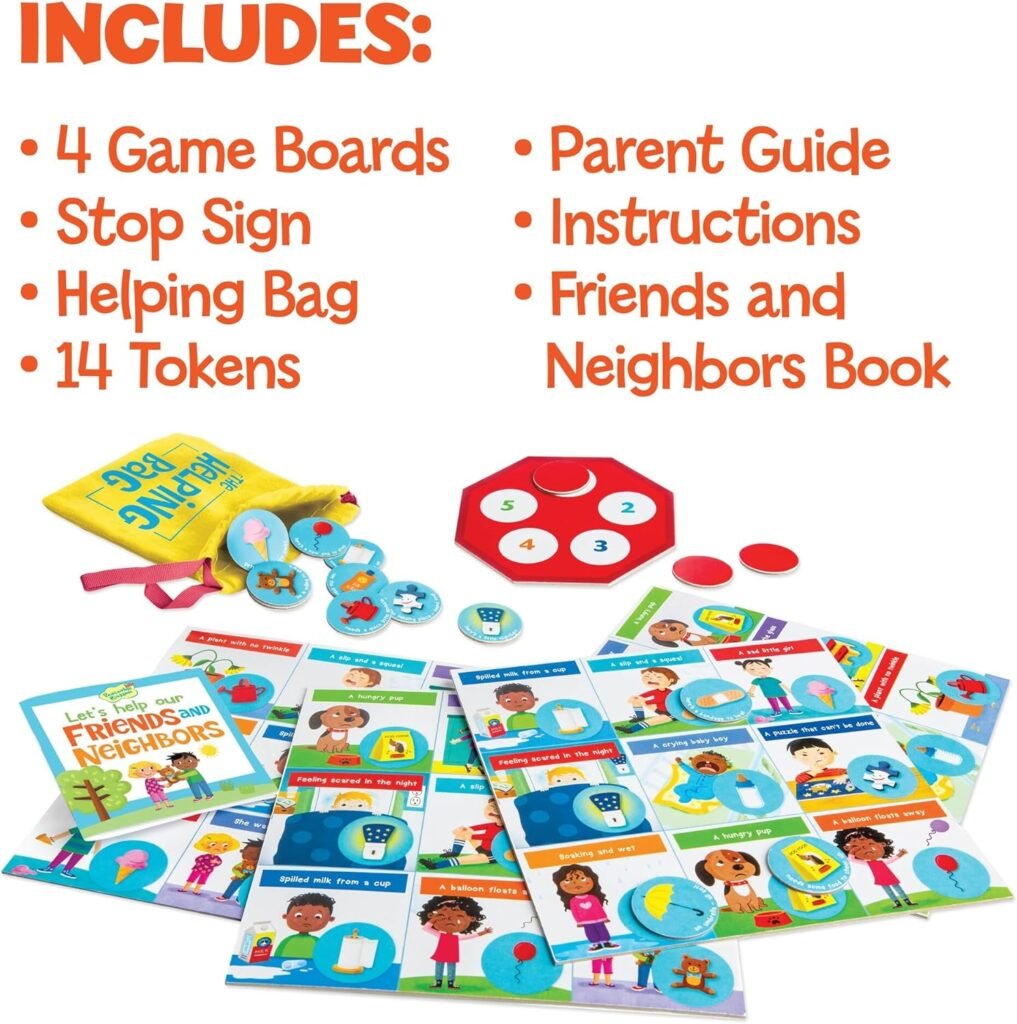
Peaceable Kingdom Friends & Neighbours Emotional Board Game
A cooperative matching game based on the ideas of empathy, social development and collaborative problem solving. Players collaborate to recognise the feelings of different troubled characters and decide on the right supportive items or gestures to assist them, promoting social bonding and mutual aid without the pressure of rivalry
Conclusion: The Gift of a Good Anchor
In the big scheme of your child’s life, you cannot control the speed of the world surrounding your child. Notifications will keep buzzing, schedules will try to increase, expectations of the society will keep piling. But you have total control over the mental atmosphere inside your own front door.
By slow-cooking your family connections in a fast-food environment, you provide your child an unshakeable anchor. You make your child’s inner life matter. You trust them to weather life’s little storms. You don’t have to carry this emotional cultivation by yourself. Let Cozy Parents be your digital village for a constant flow of child development insights, practical family advice, and friendly peer support.
Take a deep breath, drop your shoulders and trust the process. You are not raising a delicate child. You are creating a beautiful, strong human being, completely prepared to go out in a fast-paced world and succeed.