

All children are born with an instinctive desire to understand how the world works. They drop a spoon from a high chair to test gravity long before they can speak, they squeeze mud between their fingers to investigate textures and they pour water straight on the kitchen floor to study spatial volume. For the busy parent these moments can sometimes feel like a never ending sequence of clean up jobs. But to a kid these behaviors are the essential building blocks of important scientific experiments.
Curiosity is the motor of early childhood development and hands-on exploration is the gasoline that keeps that engine running. When children are physically engaged with the world around them, they’re not just killing time, they’re busy constructing neuronal circuits. They learn by their senses. Touching, lifting, moving, testing. This hands-on approach provides a real gut level foundation of knowledge that abstract screens and passive spreadsheets just can’t provide.
At Cozy Parents, we know that you don’t have to turn your life upside down or follow strict and laborious routines to nurture this innate interest. Rather, it’s about changing the way we see the ordinary moments and giving our children the freedom to explore safely. If you want practical, caring advice to help your child achieve their developmental milestones.
Core Problem Discussion
The arrangements of modern life might unwittingly erect barriers to active, hands-on discovery. Every child is born with a plentiful amount of curiosity. By identifying these friction points, families can make tiny but meaningful course changes.
The Over-Sanitized Environment: The natural tendency to keep a home clean and germ-free can sometimes inhibit a child’s contact with natural materials like dirt, water, clay and sand all these provides important tactile and cognitive input.
The Quest for the “Right Answer”: Well-meaning adults often jump in too fast during play to explain a kid the “correct” way to use a toy, which can inadvertently smother the child’s innate urge to experiment and discover variations.
Passive Entertainment Flood: The high-stimulation world of digital entertainment gives immediate gratification without any physical work, perhaps eroding a child’s patience for real world trial and error discovery.
Time Constraints: When parents’ daily schedules are crowded, there is an inherent tendency for parents to rush, which might limit the open-ended time needed by children to thoroughly study an object or a phenomenon.
Solutions by Cozyparents
Strategic Solution
The key to creating long-term curiosity is to switch from being an entertainer to a facilitator. Our basic aim is to establish a “exploration-ready” home environment. You reduce your own parental burnout and defend your child’s right to independent discovery by providing versatile, raw resources and by adopting an attitude of patient observation.
Performed
It’s not as hard as you would think to bring a philosophy of hands-on exploration into your regular domestic tasks. Focus on a few extremely actionable shifts that favor process of play over a perfect finished product:
- Play with open-ended materials in your play places, such as wooden blocks, cardboard tubes, fabric scraps or natural objects from outside.
- Allow your child to explore the physical limitations of materials safely allow them discover how high they can build a stack of plastic cups before they fall over.
- What is the purpose of the following passage? Ask questions such as “What if we add water to this sand?” to foster creative thinking.
- Create a little, special “yes space” in your home. Somewhere your child knows they are free to dig, pour, sort and make a little bit of functional mess, with absolutely no restrictions.
Active Exploration
To see how active, tactile inquiry translates into cognitive growth, let us explore how various sorts of hands-on involvement cultivate essential life skills.
For example, sensory-rich exploration places a child in a state of profound focus. A toddler touches smooth river stones and rough tree bark and the brain analyzes the information . This is the foundation for the scientific skills of observation and classification in later life .
Meanwhile, physical manipulation is a natural training ground for cause-and-effect reasoning. By scooping, pouring, twisting and pulling with simple tools, kids get instant, tangible evidence that their activities are changing the condition of the matter around them.
Finally, child-led discovery directly feeds intrinsic motivation and cognitive endurance. By undertaking a self-chosen challenge, such as finding out how to get a bridge across a little tray of water, a youngster learns that problem solving is a thrilling adventure, not a frustrating quiz.
Micro-Services Strategy For Parents
When we look at the long term effect of hands-on discovery, the developmental benefits show up in four key areas of development.
1. Scientific Thinking and the Method of Hypothesis
Long before youngsters see a textbook, they are natural scientists. Drop a large wooden block and a feather in a bucket of water and see which one floats. You are doing the scientific method. They can make a theory, try it out through hands on play in real time, see the consequences and modify their understanding of the physical world with solid proof.
2. Deep Sensory Integration
Our brains use sensory input to learn spatial boundaries, manage emotions, and coordinate tricky movements. Tactile play such as squishing dough, sorting dry beans or splashing in the bath, gives the deep pressure and sensory feedback necessary for neurological regulation. If you are a family that is looking for some structured, yet stunningly simple ideas to build sensory play at home, you can find instant inspiration by browsing the activity resources at our website.
3. Self confidence, Independence and Self Faith
There is something beautiful that happens to a child’s self-esteem when they are allowed to follow a spark of curiosity to its logical conclusion without an adult stepping in to correct it. They work out their small problems and learn they may have an effect on their environment. This fosters a deep inner confidence that translates to their social skills, school preparedness and emotional resilience.
4. Enriching Your Language With Real Life Experience
But experience is a huge generator of vocabulary growth. A child looking at a picture of an ice cube in a book is one thing, but holding an ice cube, seeing it melt into warm water, and feeling it slip through their fingers is a whole other language experience. The physical world offers words such as chilly, slippery, solid and liquid a richness of meaning, driving terminology deep into the memory.
Differences: Adult-Directed Activities Compared to Child-Led Exploration
Recognizing the distinctive surroundings of adult-directed activities vs child-initiated exploration can help you find a healthy, stress-free balance as you establish your family’s play landscape each day.
Main purpose: Adult-led activities tend to have a certain pre-determined objective (e.g., building a particular craft), youngster-led exploration is all about the process. It’s about the youngster discovering what the materials can do.
The Problem-Solving Dynamic: In structured activities the adult has the solution and helps the youngster to it. The youngster is given an open ended exploration. There are unforeseen hurdles that the child has to come up with their own innovative ways to get beyond.
Attention Span and Concentration: Children get tired or lose interest when they are asked to obey stringent external instructions. But when a child’s own profound curiosity is engaged, their ability to be focused for a long time goes up considerably.
Emotional Safety: There is no “wrong” way to explore an open-ended tray of natural materials. This completely removes the fear of failure, creating an emotionally secure harbor that fosters daring, creative risks.
This kind of independent, joyous discovery shouldn’t feel like another chore on your to-do list. If you want to see a caring way to balance developmental milestones with a tranquil home life, check out the extensive parent toolkits over at Cozy Parents. They can provide you a clear, realistic road forward.
Products Recommended for Parents
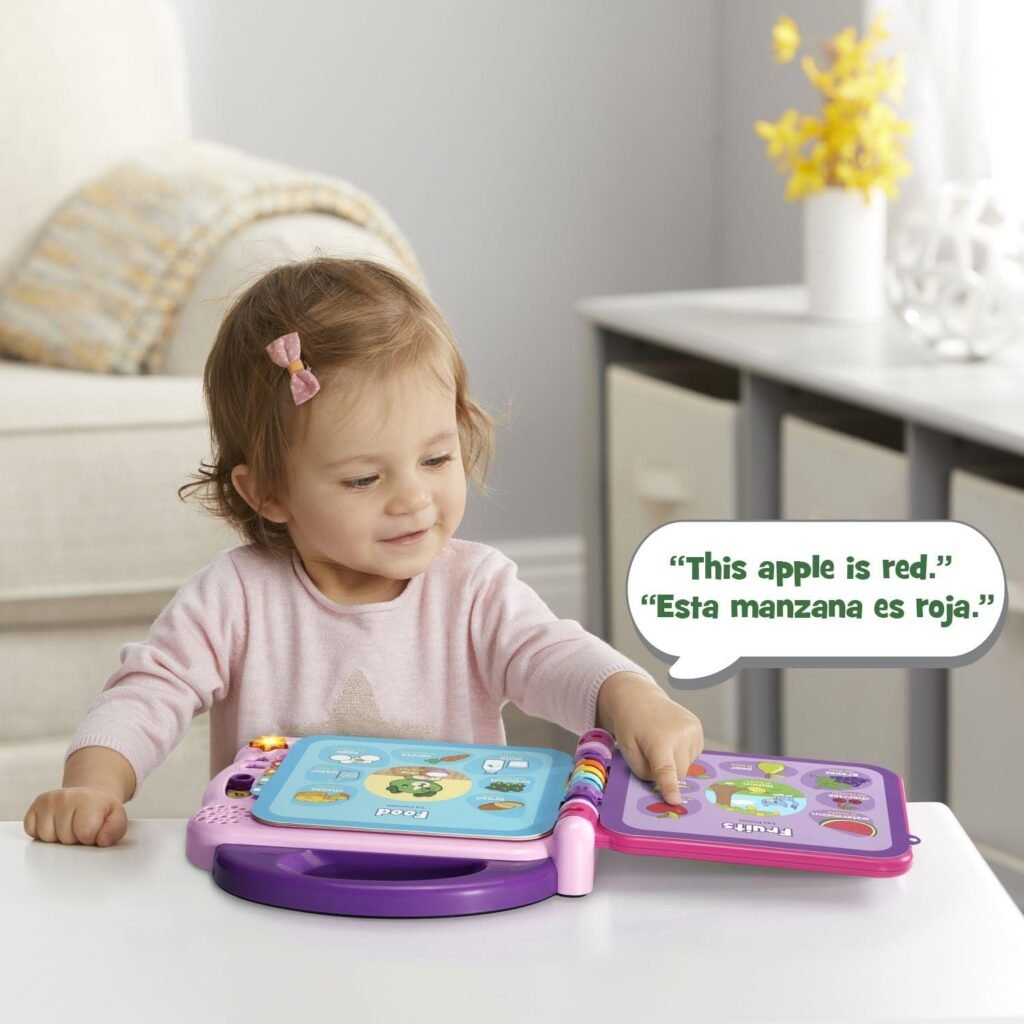
LeapFrog Scout and Violet 100 Words Book
An interactive touch book for everyone that introduces early vocabulary and language concepts. Toddlers hear audio responses when they touch the pages, music and sound effects that teach them about animals, food and colors and promote early cognitive association and auditory processing.
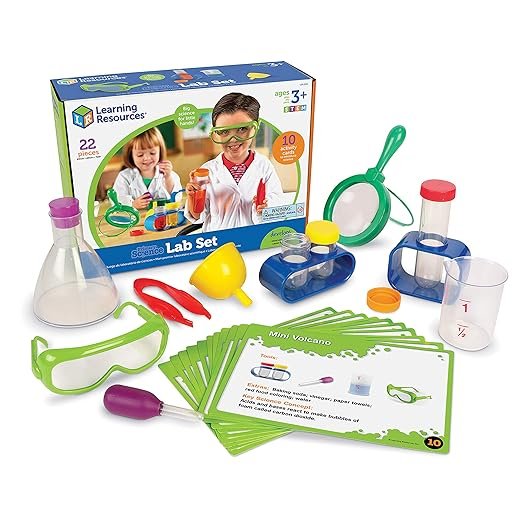
Learning Resources Primary Science Lab Activity Set
A great, very robust introduction to real scientific tools made just for small hands. At the kitchen sink, your preschooler may do safe, hands-on experiments with liquids and colors using big test tubes, a working magnifying glass, a beaker and simple activity cards that enhance critical thinking.
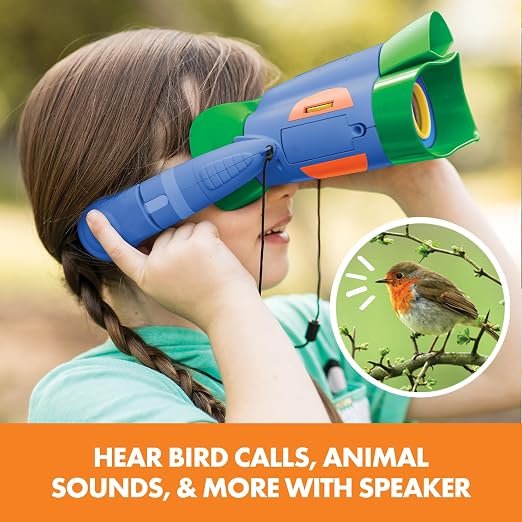
Educational Insights GeoSafari Jr. Kidnoculars Extreme
These focus-free binoculars are designed with extra-large, ergonomic eyepieces and a built-in microphone that magnifies the natural sounds of the outdoors. It’s a premier tool for actively exploring nature in their own backyard, helping them to strengthen visual observation and auditory processing skills on family excursions.
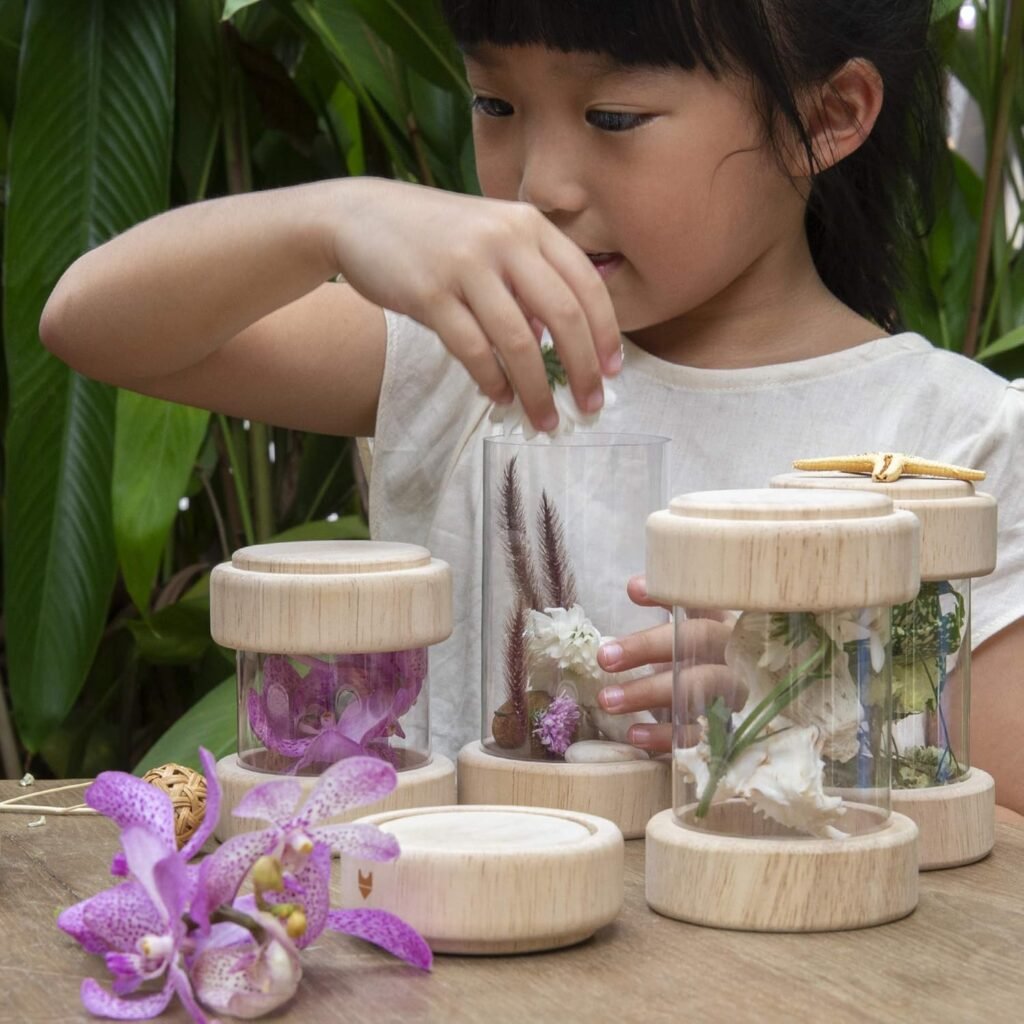
Guidecraft Treasure Tubes Clear Stacking Blocks
A set of clear acrylic storage tubes with removable bands for parents and kids to gather and showcase natural treasures like colorful leaves, smooth pebbles, sand or feathers. These adaptable stacking blocks securely bring the delights of the natural world indoors, encouraging tactile sorting, observation and creative construction.
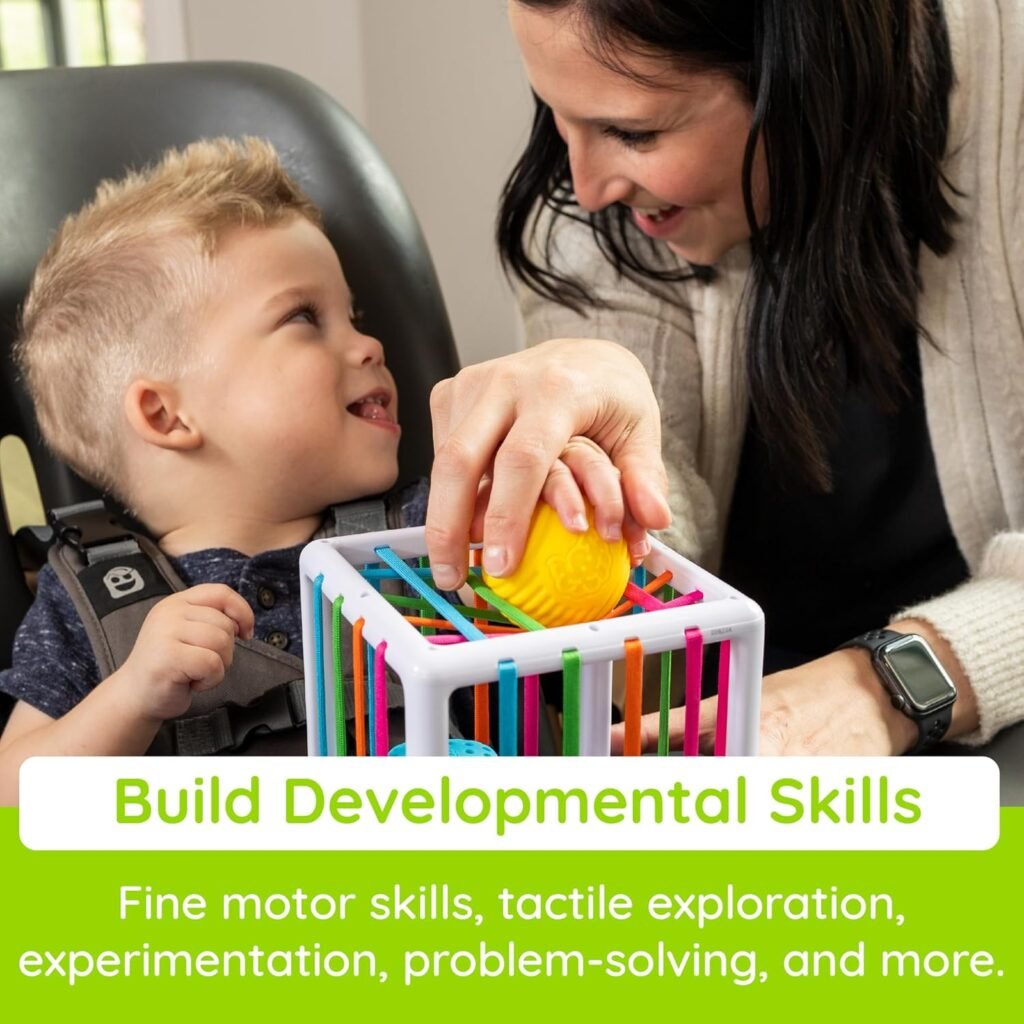
Fat Brain Toys InnyBin Shape Explorer
A new sensory sorting box with a bright elastic band covered frame and six chunky textured forms. Unlike standard rigid shape sorters, infants and toddlers must push and pull the shapes through the elastic bands providing an entertaining lesson in spatial logic, hand strength and tactile discrimination.
The Wonder of Joy Rediscovered
A childhood of inquiry is not defined by the amount of structured enrichment classes on the calendar, after all or the perfection of a toy shelf. It is gauged by the freedom a kid has to question, to explore, to touch their surroundings and to learn through the glorious wisdom of trial and error.
By taking a deep breath, making small spaces for physical exploration, and trusting your child’s innate intuition, you uncover a pleasant learning experience that happens entirely organically. You don’t have to travel this parenting journey alone. Keep handy Cozy parents for your supporting internet community for practical assistance for families, educational insights and warm baby care tips. For a steady flow.
Take a backseat, make way for the lovely mess of discovery and be amazed as your child finds the astounding secrets of their ordinary world.