
Every parent will feel the kind of tiredness that comes with trying to keep a child occupied, learning and entertained day after day.
We spend hours looking through internet toy reviews, wandering store aisles and second guessing whether the item is truly instructive or just flashing plastic noise. And then, of course, there’s the heartache when that shiny new toy you’ve painstakingly searched for is left on the floor after five minutes of play.
This precise cycle of parental guilt and playroom clutter is exactly why the toy subscription box market has risen in popularity in the last few years. Services offer to send you precisely selected, age-specific play kits right to your front door every few months so you don’t have to guess what your child needs to develop. They come as a stress-free investment in your child’s cognitive development, with heirloom-quality materials customised to certain developmental milestones.
But with premium memberships frequently costing a pretty penny per delivery, a lot of families are looking at their monthly household budget and asking a tough question.
Are these expensive, repeatable toy boxes worth the long term financial commitment or are you just paying for some clever marketing and gorgeous packaging?
We’ll dive deep into the subscription model, explore the genuine educational value, content and cost-per-play in this complete guide to help you make the right choice.
The Big Players in the Monthly Toy Market
When you start looking for toddler play subscriptions, there are a few names that keep popping up in discussions in the parental community.
Lovevery is the clear leader in the premium, developmental category with its ultra-curated, research-backed kits that are heavy on stage-specific brain development.
KiwiCo is another huge fan favourite with its Koala Crate subscription which is specifically meant to bring hands-on STEM and creative art concepts to children.
On the sensory and imagination side, firms like Hoppi Box offer a changing variety of high-quality, eco-friendly toys from different top manufacturers according to your child’s age.
All these services are recurringly billed, but their underlying philosophy, materials and physical presentation differ greatly. There are tools out there for parents learning how to navigate these many educational approaches, or advice on how to put up an enticing playroom rotation.
Check out the extensive child development articles at cozyparents.com for some great, real-world advice to help you customise your play environment to your child’s changing milestones.
The Real Value of Curation
You can’t only look at the price tag on the toys to determine if a subscription box is worth your money; you also have to factor in the value of parental time. What these companies are really offering is not the physical wood or fabric in the package but the massive professional curation behind it.
Child developmental psychologists and early childhood educators spend months testing these materials to make sure they are in line with certain cognitive developments such spatial awareness or object permanence. For a busy parent, performing this kind of specialised, milestone-specific toy research yourself takes a huge amount of mental work and free time.
The box comes in time for your child, rather than wasting your evenings searching for open-ended sensory items or wondering if a puzzle is safe and age-appropriate.
Plus, premium kits almost often include very extensive parent play manuals that explain the actual science behind each item. These publications show you how to talk to your child during play, how to set up modest expansions and how to recognise emerging schemas of development.
For further ways to get the most out of these learning materials and for fun ideas on how to tackle shared toy bins, Cozy Parents offers a welcoming community of parents sharing practical housekeeping suggestions.
Determining the Quality of Material and Durability of the Playroom
Physical durability and aesthetic safety of the things that arrive at your doorstep is another big part in the value equation.
Many mass-produced plastic toys are cheap, break easily in the hands of rough toddlers, have electronic buttons that burn through one-time batteries and encourage passive consumerism. On the other hand, the best subscription companies are all about sustainable, quality materials such as organic cotton, baby-safe silicone and solid FSC-certified wood.
They are manufactured to institutional, classroom-grade requirements so they will physically outlast a conventional cheap plastic substitute by far. A sturdy hardwood posting box or weighted stainless steel pouring pitcher can resist years of drops, throws and heavy daily use.
This exceptional longevity implies that the toys retain an incredibly high resale value in local parenting organisations or can be safely handed down to younger siblings. But the open-ended, minimalist nature of these toys means that they depend very much on the internal imagination of the child to bring them to life.
A toddler used to toys that flash bright lights and blaring music might not even notice a silent wooden set of nesting cups at first.
Our website is a great resource with regular professional information for helping modern families if you need some great tips for how to move your family away from overstimulating battery controlled toys and towards quiet independent play.
When a Subscription Box Is Not Worth the Cost
While subscription boxes have their advantages, there’s no denying that they are far from a perfect fit (or even a necessity) for every single household budget.
The biggest risk with the recurring subscription model is the inevitable build-up of toy clutter if your child doesn’t play at the exact pace of the supply cycle. If you get a new box every two months, before your child has even fully mastered the contents of the prior box, your living space can rapidly feel overwhelming.
If your family already frequents the local public library, participates in community toy exchange programs or likes thrifting, the curating element of this is less valuable. Open-ended resources are a real bargain and you can often cobble together a fantastic, diverse early learning environment for a tiny fraction of the expense.
If, at the end of the day, paying the recurring charge is a real burden on your monthly family budget, you should skip the subscription without a smidge of parental guilt.
Your kid doesn’t need a fancy brand logo on their blocks to succeed emotionally, socially or cognitively.
Check out the community forums at Cozy Parents for some really reasonable, refreshing takes on finances, including real-world breakdowns of budgeting for early children and low-cost DIY alternatives to popular subscription toys.
Striking the Perfect Balance for Your Home
Ultimately, deciding whether or not to pull the trigger on a toddler subscription box is about how much money you have to spend against mental bandwidth on a regular basis.
If you like to save time, want expert developmental guidance and want to buy fewer, well-made wooden toys instead of plenty of plastic clutter, then a subscription is totally worth it. It’s a beautiful stress-free instrument, that offers real educational value and promotes long-term independent play milestones.
But if you love hand-picking your child’s toys or want to have entire control of your monthly expenses, you can easily do the same on your own terms.
No matter what road you select for your unique family, know that you are never alone in these early life decisions.
And if you ever need new ideas for activities, advice on recording milestones or a supportive community to assist you navigate the ups and downs of raising a confident, curious child at your own lovely pace, be sure to turn to reputable, resource-rich platforms like Cozy Parents.
Best Products for Parents
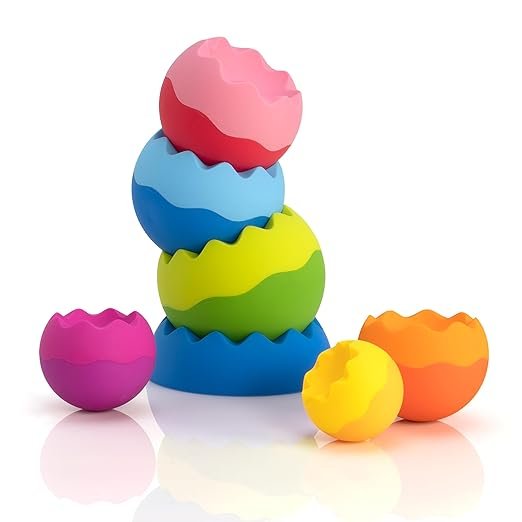
An award winning stacking toy that tests toddlers’ sense of space, balance and fine motor grip with its unique tactile design. The weighted, dual-textured spheres nest and balance at angle deflections that simple flat blocks cannot handle, bringing in early physics principles. Great for children 12-24 months to build spatial reasoning skills on their own without a membership.
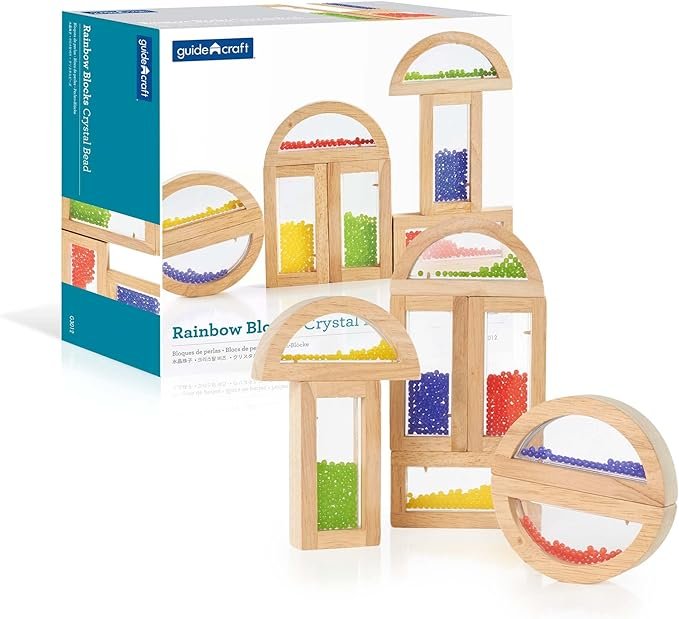
Guidecraft Rainbow Blocks, 24-Piece Set
A luxury building kit with strong wooden frames fitted with brilliant, translucent acrylic coloured panels to capture and filter natural light. These blocks evoke classic structural engineering and, if placed near a light window in a stack, introduce colour mixing and sensory investigation. Excellent for interested toddlers and preschoolers from two to five years to develop their spatial confidence through open-ended, free constructing activity.
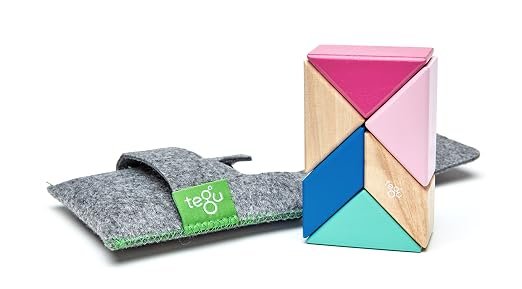
Tegu Magnetic Wooden Block Set – Pocket Pouch
A travel set constructed from heirloom quality Central American hardwoods with responsibly sourced grain and with invisible internal magnets that are properly hidden. This ingenious approach removes the construction frustration for little hands with parts that easily link, encouraging early independent problem solving and open-ended design. Best for young adventurers from twelve months to four years who need extremely durable, imaginative stimulus on the go.
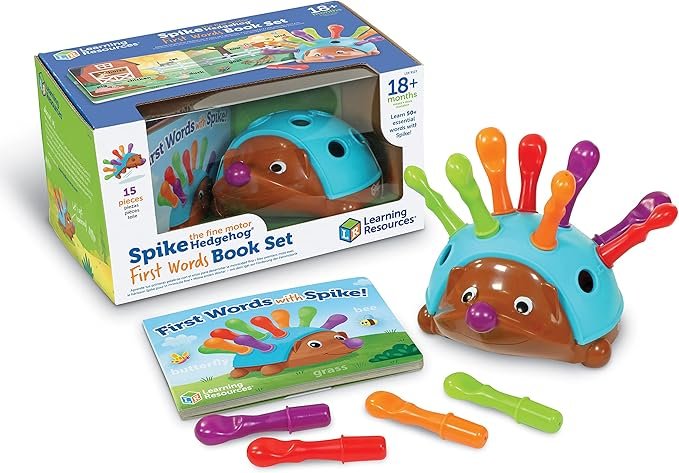
A very entertaining stand alone developmental toy specifically intended to strengthen the essential hand muscles needed for early self-feeding and writing. Toddlers pick up and push the colourful textured plastic quills into the hedgehog’s back which immediately helps develop their pincer grasp, hand strength and colour identification skills Ideal for older babies and emerging toddlers (eighteen months to three years old) for focused autonomous motor work.
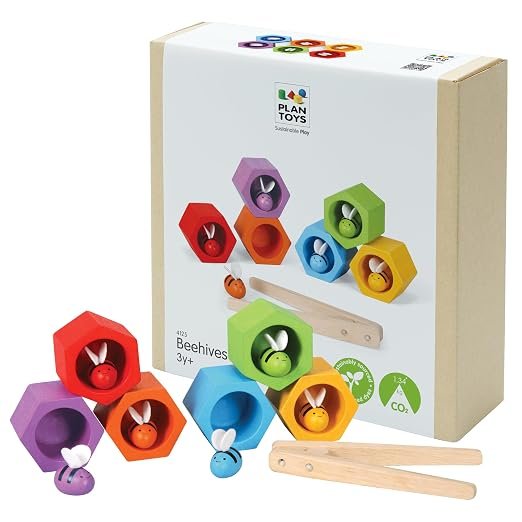
PlanToys Preschool Beehives Sorting Set
A lovely eco-friendly wooden sensory game of organic rubberwood to challenge hand-eye coordination and early math sorting skills. Young children pick up felt honeybees, in different colours and match them to their wooden hives, using a set of wooden tweezers, building up finger isolation and grip strength ideal for toddlers and preschoolers aged two to four years, it encourages patience and accuracy via quiet, independent play.